


Material Handling Equipment Safety: The New Standard for Industrial Operations in 2025
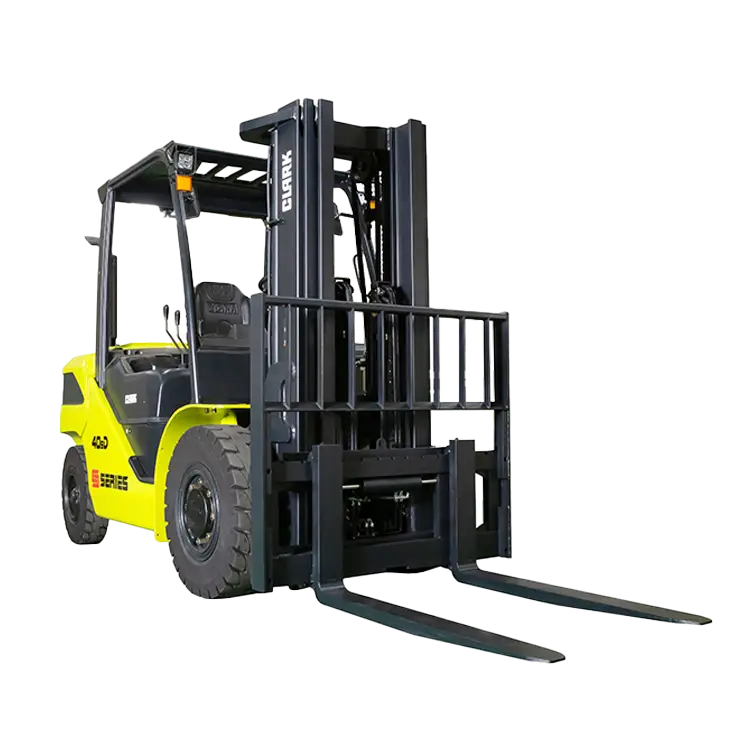
In every warehouse, factory, and logistics hub, the smooth movement of goods depends on one thing: safe and reliable material-handling equipment. As industries continue to scale, the demand for safer, smarter, and more durable machines has reached an all-time high. This shift has pushed businesses to upgrade not only their hardware but also their safety protocols, operator practices, and maintenance routines.
In 2025, Material Handling Equipment Safety isn’t optional anymore — it's a core part of productivity, compliance, and long-term business continuity.
Why Material Handling Equipment Safety Matters More Than Ever
Unsafe equipment is one of the biggest causes of workplace accidents. Whether it’s a pneumatic truck struggling on uneven terrain or a poorly serviced forklift, one simple malfunction can impact the entire workflow.
Industries today focus on:
-
Reducing operator injuries
-
Preventing mechanical failures
-
Ensuring emission compliance
-
Extending machine lifespan
-
Minimizing unexpected downtime
With better safety checks, smarter diagnostics, and upgraded components, material-handling equipment now performs with improved control, stability, and durability.
1. Pneumatic Trucks: Built for Stability and Safety
A pneumatic truck uses air-filled tires that deliver better shock absorption and grip — especially on rough outdoor surfaces. Their design reduces tip-over risks and improves safety for both operators and load handlers.
Key safety benefits:
-
Stable lifting on uneven terrain
-
Better traction for outdoor operations
-
Reduced operator fatigue
-
Smooth handling of heavy loads
Companies that rely on outdoor loading areas or rugged construction environments now consider pneumatic trucks an essential part of their safety strategy.
2. On-Board Diagnostics: Detect Issues Before They Become Problems
One of the biggest upgrades in modern machinery is On-Board Diagnostics (OBD). This system constantly monitors engine performance, fuel efficiency, and component status — allowing maintenance teams to detect problems early.
OBD enhances safety by:
-
Alerting operators about malfunctioning parts
-
Preventing sudden breakdowns
-
Tracking engine health
-
Helping schedule preventive maintenance
-
Improving fuel and air quality performance
Real-time transparency reduces risks and ensures every machine runs at optimal safety standards.
3. Vinyl Seats: Comfort That Prevents Operator Fatigue
It may sound simple, but operator comfort is a major part of equipment safety. Long hours of operation demand seating that is durable, ergonomic, and easy to maintain.
This is where vinyl seats come in.
Benefits include:
-
Sweat-resistant surface
-
Durability in dusty or hot environments
-
Resistance to chemicals and oils
-
Easy cleaning and maintenance
-
Improved posture and reduced fatigue
A comfortable operator is more alert, more careful, and less likely to make mistakes — directly improving workplace safety.
4. Diesel Oxidation Catalyst (DOC): Cleaner Air, Safer Workspaces
Indoor warehouses and factories often deal with air-quality issues, especially when using diesel-powered equipment. A Diesel Oxidation Catalyst (DOC) helps solve this problem by converting toxic emissions into safer gases.
Safety advantages:
-
Reduced carbon monoxide levels
-
Cleaner indoor air
-
Lower employee health risks
-
Better compliance with international emission standards
-
Improved engine efficiency
A DOC isn’t just an environmental upgrade — it’s a safety requirement for facilities using diesel machinery.
5. Forklift Service: The Foundation of Safe Operations
No matter how modern your equipment is, regular forklift service remains the backbone of operational safety. A well-serviced forklift is less likely to malfunction, overheat, or cause accidents.
Professional servicing includes:
-
Brake and steering checks
-
Hydraulic system inspection
-
Battery and engine evaluation
-
OBD diagnostics
-
Tire condition monitoring
-
Alignment adjustments
-
Safety feature testing
Routine servicing not only prevents mechanical failures but also keeps equipment compliant with safety regulations.
Final Thoughts
As industries expand, Material Handling Equipment Safety will define the efficiency, reliability, and long-term success of every operation. By investing in safer equipment — from pneumatic trucks to emission-controlled engines — and integrating systems like on-board diagnostics, businesses create safer environments for employees and smoother workflows overall.
Durable components such as vinyl seats, air-quality solutions like Diesel Oxidation Catalysts, and consistent forklift service combine to create a workplace where safety and performance go hand in hand.
For companies focused on reducing downtime, improving employee safety, and boosting productivity, the future is clear: better equipment, smarter technology, and stronger safety standards.

 English
 Arabic
 French
 Portuguese
 Deutsch
 Turkish
 Dutch
Dutch
 Italiano
 Russian
 Romaian
 Portuguese (Brazil)
 Greek
Greek