


EPC Services for Overhead Transmission Line Projects Guide
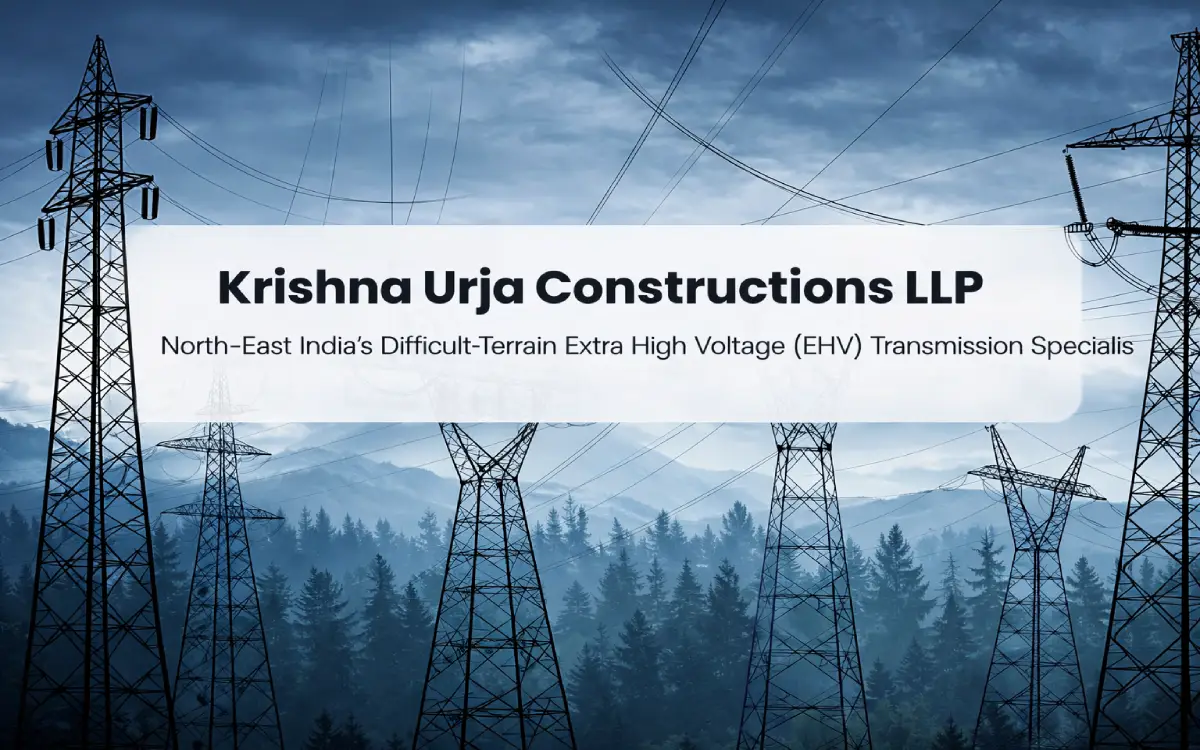
Reliable power transmission is one of the most important parts of a modern electrical network. Industries, cities, villages, and infrastructure projects all depend on a stable supply of electricity every day. Building a strong transmission system requires careful planning, engineering, and execution from experienced professionals.
Today, many utility companies and industries depend on EPC services for overhead transmission lines to complete power transmission projects safely and efficiently. These services help manage every stage of the project, from design and procurement to construction and final commissioning.
Overhead transmission lines are used to transfer electricity over long distances from power generation stations to substations and distribution networks. Since these projects involve high-voltage systems, towers, conductors, insulators, foundations, and safety measures, they require expert handling throughout the entire process.
This guide explains EPC services, their importance, major project stages, benefits, challenges, and how professional contractors help complete transmission line projects successfully.
What Are EPC Services?
EPC stands for:
- Engineering
- Procurement
- Construction
In an EPC model, one contractor manages the entire project from start to finish. This approach simplifies project execution because the client deals with a single company instead of multiple vendors and contractors.
For transmission line projects, EPC services usually include:
- Route survey and planning
- Design and engineering
- Material procurement
- Tower fabrication and supply
- Foundation work
- Tower erection
- Stringing of conductors
- Testing and commissioning
- Project management
- Safety and quality control
This complete approach helps reduce delays and improves project coordination.
Understanding Overhead Transmission Lines
Overhead transmission lines are systems that carry high-voltage electricity through conductors supported by towers or poles.
These lines are commonly seen across highways, fields, industrial areas, and rural regions. They form an essential part of the electrical transmission network.
Main Components of Overhead Transmission Lines
1. Transmission Towers
These structures support conductors and maintain safe ground clearance.
2. Conductors
Conductors carry electrical power from one point to another.
3. Insulators
Insulators prevent unwanted flow of electricity from conductors to towers.
4. Ground Wire
Ground wires protect the line from lightning strikes.
5. Foundations
Strong foundations support tower stability under different weather conditions.
6. Hardware and Fittings
These include clamps, connectors, spacers, and other supporting accessories.
Why EPC Services Are Important for Transmission Line Projects
Transmission projects are large, technical, and time-sensitive. EPC contractors bring expertise and coordination that help avoid common construction problems.
Single Point Responsibility
One company manages the entire project. This reduces confusion and improves accountability.
Better Project Coordination
Engineering, procurement, and construction teams work together closely, which helps avoid delays.
Cost Management
Professional planning and procurement help control project costs.
Faster Completion
EPC contractors use systematic planning and scheduling to complete projects on time.
Improved Safety
Transmission line projects involve high-risk operations. Experienced EPC contractors follow strict safety standards.
Quality Assurance
Professional contractors follow proper testing and quality inspection processes.
Main Stages of EPC Services for Overhead Transmission Lines
Every transmission line project goes through several important stages.
1. Survey and Route Selection
The first step is identifying the best route for the transmission line.
This stage includes:
- Topographical surveys
- Soil investigation
- Environmental assessment
- Forest and land clearance study
- Accessibility analysis
The selected route should be technically suitable and economically practical.
2. Engineering and Design
The engineering stage is one of the most important parts of the project.
Detailed Engineering Includes:
- Tower design
- Foundation design
- Conductor selection
- Sag and tension calculation
- Electrical clearance planning
- Structural analysis
Engineers also ensure that the design meets government regulations and safety standards.
3. Procurement of Materials
After design approval, procurement begins.
Materials required for overhead transmission projects include:
- Transmission towers
- Conductors
- Insulators
- Ground wires
- Hardware fittings
- Cement and steel
- Earthing materials
Proper procurement is important because poor-quality materials can affect project safety and performance.
4. Civil and Foundation Work
Foundation construction provides stability to transmission towers.
Different foundation types are used depending on:
- Soil condition
- Tower load
- Terrain type
- Weather conditions
Foundation activities include:
- Excavation
- Reinforcement work
- Concrete pouring
- Backfilling
Strong foundations improve the durability of transmission structures.
5. Tower Erection
Once foundations are ready, tower erection work starts.
This process may involve:
- Section assembly
- Ground assembly
- Crane lifting
- Bolt tightening
- Alignment checking
Tower erection requires skilled workers and strict safety supervision.
6. Stringing of Conductors
Stringing is the process of installing conductors between towers.
This stage includes:
- Pulling conductors
- Maintaining proper sag
- Tension control
- Clamping and fitting
- Ground wire installation
Incorrect stringing can affect transmission efficiency and safety.
7. Testing and Commissioning
Before the line becomes operational, several tests are performed.
These tests may include:
- Insulation testing
- Tower grounding test
- Conductor continuity test
- Clearance verification
- Safety inspection
After successful testing, the line is commissioned for operation.
Types of Overhead Transmission Line Projects
Different types of transmission line projects require EPC expertise.
High Voltage Transmission Lines
These lines transmit electricity over long distances with minimal power loss.
Extra High Voltage Lines
Used for bulk power transfer between major substations and regions.
Rural Electrification Projects
These projects help supply electricity to villages and remote locations.
Industrial Power Transmission
Industries often require dedicated transmission infrastructure for continuous power supply.
Renewable Energy Transmission
Solar and wind power projects need transmission systems to connect renewable plants with the grid.
Benefits of Professional EPC Contractors
Choosing experienced EPC contractors provides several long-term advantages.
Technical Expertise
Professional teams understand transmission engineering, regulations, and project management.
Strong Resource Management
Large projects require manpower, equipment, vehicles, and technical tools.
Experienced contractors manage these resources efficiently.
Better Risk Management
Transmission projects face risks such as:
- Weather delays
- Material shortages
- Difficult terrain
- Safety hazards
Professional EPC companies prepare mitigation plans to handle these challenges.
Compliance with Standards
Transmission projects must follow electrical and environmental standards.
Experienced contractors understand these requirements clearly.
Timely Execution
Delays in transmission projects can affect industries and power supply systems. EPC companies use project schedules and monitoring systems to ensure timely completion.
Challenges in Overhead Transmission Line Projects
Although transmission projects are essential, they also involve several challenges.
Land Acquisition Issues
Obtaining land permissions can delay project progress.
Difficult Terrain
Projects in mountains, forests, rivers, or remote regions require special planning.
Weather Conditions
Rain, storms, and extreme temperatures can affect construction activities.
Environmental Regulations
Transmission projects must follow environmental protection guidelines.
Safety Risks
Working at heights and near electrical systems requires strong safety practices.
Logistics and Transportation
Transporting large tower sections and equipment to remote areas can be difficult.
Safety Measures in Transmission Line Construction
Safety is one of the most important parts of EPC execution.
Worker Training
Workers receive training on:
- Height safety
- Electrical safety
- Equipment handling
- Emergency response
Use of Safety Equipment
Common safety equipment includes:
- Helmets
- Safety harnesses
- Gloves
- Reflective jackets
- Fall protection systems
Site Inspection
Regular inspections help identify hazards before accidents occur.
Equipment Maintenance
Construction equipment should be inspected and maintained regularly.
Emergency Planning
Every project should have emergency response procedures for accidents or weather-related incidents.
Role of Technology in Modern EPC Projects
Technology has improved transmission line construction and project management significantly.
Drone Surveys
Drones help perform route surveys quickly and accurately.
GPS Mapping
GPS systems improve route alignment and tower positioning.
Project Management Software
Digital tools help monitor project schedules, budgets, and resources.
Advanced Stringing Equipment
Modern machines improve efficiency and reduce conductor damage.
Structural Design Software
Engineering software helps create accurate tower and foundation designs.
Environmental Considerations in Transmission Projects
Modern EPC projects focus on reducing environmental impact.
Minimizing Forest Damage
Careful route selection helps reduce tree cutting.
Soil Protection
Proper excavation and restoration practices protect soil quality.
Wildlife Protection
Projects near wildlife areas require special precautions.
Waste Management
Construction waste should be disposed of properly.
Sustainable Practices
Many companies now adopt eco-friendly construction methods.
Importance of Quality Control
Quality control ensures long-term reliability of transmission systems.
Material Inspection
All materials should be tested before installation.
Construction Monitoring
Supervisors check every construction stage carefully.
Testing Procedures
Electrical and structural tests confirm project quality.
Documentation
Proper records help maintain transparency and future maintenance planning.
Choosing the Right EPC Contractor
Selecting the right contractor is very important for project success.
Experience
Choose companies with experience in transmission line projects.
Technical Team
A strong engineering and project management team improves project quality.
Safety Record
Check the contractor’s safety performance history.
Equipment Availability
Good contractors use modern equipment and tools.
Financial Stability
Financially stable companies can manage large-scale projects efficiently.
Client Support
Good communication and project updates improve client confidence.
Future of Overhead Transmission Line EPC Projects
The power sector continues to grow rapidly due to rising electricity demand.
Future transmission projects will focus on:
- Renewable energy integration
- Smart grid development
- Higher voltage systems
- Improved energy efficiency
- Faster project execution
- Digital monitoring systems
As infrastructure development increases, the demand for reliable EPC solutions will also continue to grow.
Conclusion
Overhead transmission lines are essential for delivering electricity safely and efficiently across regions. These projects involve complex engineering, large-scale construction, strict safety measures, and careful coordination.
Professional EPC services for overhead transmission lines help simplify project execution by managing engineering, procurement, construction, testing, and commissioning under one system. This approach improves efficiency, reduces delays, and ensures better project quality.
From route surveys and tower erection to conductor stringing and commissioning, every stage requires technical expertise and proper planning. Experienced EPC contractors play a major role in building strong and reliable power infrastructure for industries, utilities, and communities.
Companies like Krishna Urja Constructions LLP contribute to the development of transmission infrastructure by supporting efficient and professionally managed power transmission projects.

 English
 Arabic
 French
 Spanish
 Portuguese
 Deutsch
 Dutch
Dutch
 Italiano
 Russian
 Romaian
 Portuguese (Brazil)
 Greek
Greek