


Digital Printing on Fabric: A Complete Guide to Textile Printing
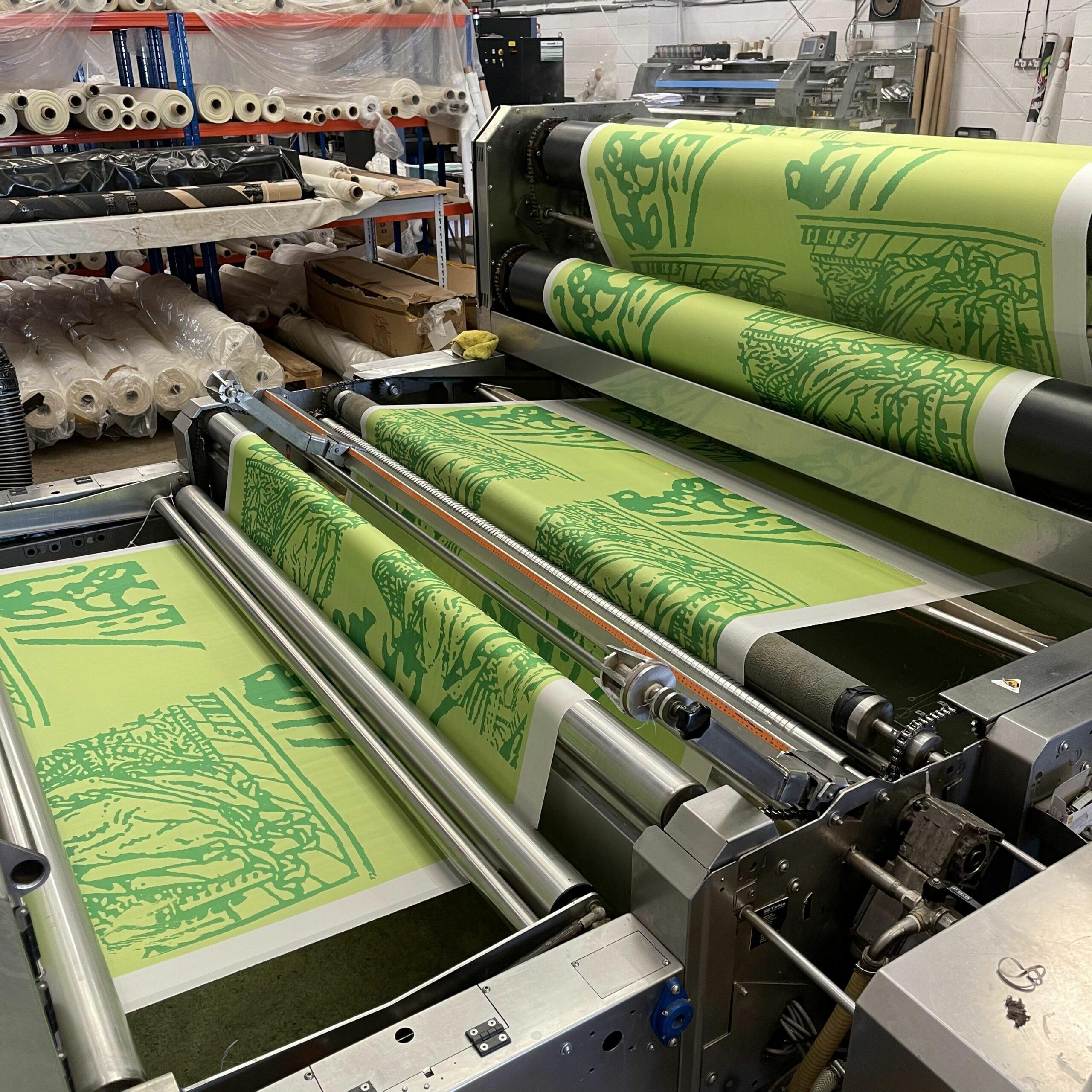
Digital printing on fabric has become one of the most significant advancements in the textile industry. It enables manufacturers, designers, and businesses to print detailed, full-color designs directly onto fabric using specialized digital printers. Unlike conventional printing methods that require screens or printing plates, digital printing transfers artwork straight from a computer file to the fabric. This approach simplifies production, reduces setup time, and makes custom printing more practical than ever.
Today, digital printing on fabric is widely used for clothing, home textiles, promotional products, sportswear, and personalized merchandise. The technology delivers exceptional color accuracy, sharp image quality, and greater design freedom while supporting short production runs and on-demand manufacturing. As consumer demand for customized and sustainable products continues to increase, digital textile printing has become an essential solution for businesses of every size.
What Is Digital Printing on Fabric?
Digital printing on fabric is a textile decoration process that uses inkjet-based technology to apply digital artwork directly onto fabric surfaces. The design is created using graphic software and sent to a textile printer, which reproduces the image with remarkable precision.
Unlike traditional screen printing, there is no need to prepare separate screens for each color. This allows manufacturers to print highly detailed patterns, photographs, gradients, and complex illustrations with minimal preparation.
The printing process can be used on natural and synthetic fabrics by selecting the appropriate ink technology. Common ink types include pigment, reactive, acid, and dye sublimation inks, each designed for specific textile materials.
How Digital Printing on Fabric Works
Creating the Artwork
The process starts with preparing a high-resolution digital design. Graphic designers use professional software to ensure the artwork meets the required dimensions, resolution, and color settings.
Preparing the Fabric
Many fabrics undergo a pre-treatment process before printing. This treatment helps the fabric absorb ink evenly, resulting in brighter colors and improved durability after washing.
Printing the Design
The prepared fabric passes through a digital textile printer. Tiny droplets of textile ink are deposited directly onto the material with exceptional accuracy, reproducing even the smallest design details.
Fixing the Print
After printing, the ink must be permanently bonded to the fabric. Depending on the ink type, this is achieved through heat curing, steaming, or other fixation methods.
Final Finishing
The fabric is washed, dried, inspected, and finished before being converted into garments, furnishings, or other textile products.
Types of Digital Fabric Printing
Pigment Printing
Pigment printing is suitable for many different fabrics, including cotton and blended materials. It requires relatively little water and provides excellent flexibility for commercial production.
Reactive Printing
Reactive inks form a strong chemical bond with natural fibers such as cotton, linen, and rayon. The result is vibrant colors, excellent softness, and impressive wash resistance.
Dye Sublimation Printing
Sublimation printing is designed primarily for polyester fabrics. The design is printed onto transfer paper and then permanently infused into the fabric using heat. This method produces vivid colors that resist cracking and peeling.
Acid Printing
Acid inks are mainly used on silk, wool, and nylon. They create rich, saturated colors and are widely used in premium fashion and luxury textile applications.
Advantages of Digital Printing on Fabric
Outstanding Print Quality
Digital printing delivers crisp images, fine details, smooth gradients, and highly accurate color reproduction. Complex artwork can be reproduced without losing clarity.
Greater Design Freedom
There are virtually no restrictions on the number of colors or design complexity. Designers can print intricate artwork without increasing production costs.
Faster Production
Without the need for screen preparation, production begins immediately after the artwork is approved. This significantly reduces turnaround time.
Affordable Short Production Runs
Digital printing eliminates expensive setup costs, making it ideal for custom orders, prototypes, and limited-edition collections.
Less Material Waste
Ink is applied only where needed, reducing waste. On-demand production also minimizes excess inventory and unnecessary fabric consumption.
Common Applications
Fashion and Apparel
Fashion brands use digital printing to create shirts, dresses, jackets, scarves, leggings, children's clothing, and designer collections featuring unique artwork.
Home Furnishings
Curtains, cushion covers, upholstery fabrics, bed linens, tablecloths, and decorative wall textiles often feature digitally printed designs.
Sportswear
Sports uniforms, cycling jerseys, athletic shirts, and activewear frequently use sublimation printing because it produces lightweight, durable, and fade-resistant graphics.
Advertising and Events
Trade show displays, promotional banners, branded flags, exhibition graphics, and event decorations are commonly produced using digital textile printing.
Personalized Products
Custom tote bags, blankets, pillow covers, baby products, and fabric gifts can be produced individually without requiring large production quantities.
Choosing the Right Fabric
Selecting the appropriate fabric is essential for achieving high-quality printing results.
Cotton is one of the most popular choices because it offers comfort and excellent print quality with reactive and pigment inks. Polyester is preferred for sublimation printing due to its ability to produce brilliant, long-lasting colors. Silk provides premium-quality prints with exceptional richness, while linen offers a distinctive natural texture that complements decorative textiles.
Testing sample prints before full-scale production helps confirm color accuracy, print sharpness, and wash durability.
Practical Benefits and Key Insights
Digital printing on fabric provides several practical advantages for businesses and creative professionals.
Supports Product Customization
Businesses can create personalized products for individual customers without increasing production costs.
Speeds Up Product Development
Design revisions can be implemented immediately by updating the digital artwork, allowing quicker product launches.
Reduces Inventory Costs
Print-on-demand manufacturing allows companies to produce only what customers order, minimizing storage requirements and excess stock.
Encourages Creative Experimentation
Designers can test multiple patterns, color combinations, and seasonal collections before committing to larger production runs.
Supports Sustainable Manufacturing
Many digital printing systems consume less water than traditional textile printing processes and generate less waste, contributing to more responsible manufacturing practices.
Common Challenges and Considerations
Although digital printing offers many advantages, successful results require careful planning.
Choosing the correct combination of fabric and ink is essential for achieving durability and vibrant colors. Color calibration should be performed regularly to ensure printed colors match digital designs as closely as possible. Some fabrics require additional pre-treatment and post-treatment processes, increasing production time slightly.
Industrial digital textile printers also require regular maintenance and represent a significant investment. However, businesses with frequent printing needs often recover these costs through improved efficiency and reduced setup expenses.
Frequently Asked Questions (FAQs)
1. What fabrics are suitable for digital printing?
Digital printing works on cotton, polyester, silk, linen, rayon, nylon, wool, canvas, and many blended fabrics when paired with compatible ink systems.
2. Is digital printing on fabric durable?
Yes. Proper fabric preparation, high-quality inks, and correct curing methods produce prints that resist fading and withstand repeated washing.
3. How is digital printing different from screen printing?
Digital printing transfers artwork directly from a digital file to fabric without printing screens. Screen printing requires separate screens for each color and is generally more suitable for very large production runs.
4. Can digital printing produce custom designs?
Yes. One of the biggest advantages of digital printing is its ability to produce personalized products, unique artwork, and small production runs without high setup costs.
5. Is digital printing environmentally friendly?
Compared with many traditional textile printing methods, digital printing often uses less water, produces less waste, and supports on-demand manufacturing, making it a more sustainable option.
Conclusion
Digital printing on fabric has transformed textile production by combining advanced technology with creative flexibility. It enables businesses to produce detailed, colorful, and customized fabrics quickly while reducing waste and simplifying production. From fashion and sportswear to home décor and promotional products, digital textile printing offers a practical solution for modern manufacturing.
As technology continues to improve, digital printing will play an even greater role in meeting consumer demand for personalized, high-quality, and environmentally responsible textile products. Businesses that understand the printing process, select suitable materials, and maintain high production standards can take full advantage of this innovative textile printing method.

 English
 Arabic
 French
 Spanish
 Portuguese
 Deutsch
 Dutch
Dutch
 Italiano
 Russian
 Romaian
 Portuguese (Brazil)
 Greek
Greek