


The Homeowner's Guide to Septic System Maintenance: 10 Do's and Don'ts
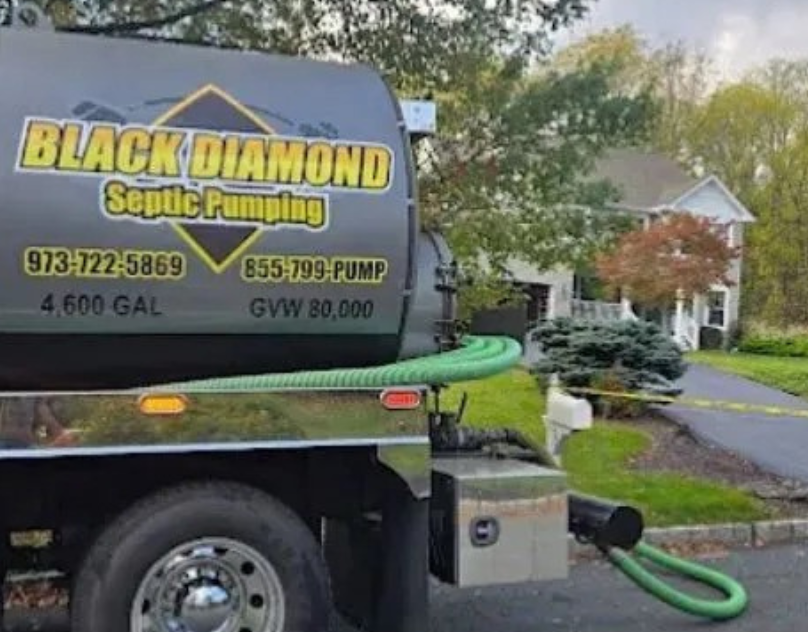
Owning a home with a septic system gives you a certain freedom, but it also comes with a responsibility. Your septic system is a powerful, self-contained wastewater treatment plant buried in your yard. It's a living ecosystem of bacteria, and its health depends entirely on what you put into it and how you treat it.
The good news is that septic system maintenance is easy. It boils down to two things:
1. Getting a professional Septic Tank Cleaning Service every 3-5 years.
2. Following a few simple rules in your daily life.
By treating your system with care, you can ensure it functions flawlessly for decades. Failing to do so can lead to foul odors, messy backups, and a failed drain field that can cost tens of thousands to replace.
Here are the 10 essential "Do's and Don'ts" every septic owner must know.
The 5 "DOs" of Septic System Care
1. DO: Schedule Regular Pumping
This is the most important "do" on the list. No septic system is maintenance-free. The tank is designed to collect and hold solids, which must be physically removed. Stick to a 3-5 year schedule (or whatever your service professional recommends) and treat it like any other critical home appointment.
2. DO: Conserve Water
The less water you send to your tank, the better it works. It gives solids more time to settle and prevents the system from being overwhelmed.
· Fix leaky faucets and running toilets immediately.
· Install high-efficiency toilets, showerheads, and washing machines.
· Spread out your laundry. Don't do 10 loads in one day. Try to do one or two loads per day.
3. DO: Know Your System's Location
You must know the exact location of your septic tank, its lids, and your drain field. This is crucial for service and for preventing damage. Keep a diagram of your system's location with your other important home documents.
4. DO: Protect Your Drain Field
The drain field is the most expensive and sensitive part of your system. Treat the ground above it with extreme care.
· DO plant grass on it.
· DO keep it clear of brush.
· DO NOT plant trees or shrubs (roots will destroy the pipes).
· DO NOT build anything on it (decks, sheds, patios).
· DO NOT drive or park cars on it.
· DO divert all other water (rain gutters, sump pumps) away from it.
5. DO: Use Septic-Safe Products
Use toilet paper that is labeled "septic-safe." These products break down easily. Use gentle, biodegradable liquid detergents for laundry and dishes.
1. DON'T: Treat Your Toilet Like a Trash Can
Your septic system is not a garbage can. The only things that should ever be flushed down your toilet are human waste and septic-safe toilet paper.
· NEVER FLUSH: "Flushable" wipes (they don't break down), feminine hygiene products, paper towels, dental floss, diapers, cotton swabs, or cigarette butts.
2. DON'T: Use a Garbage Disposal (Or Use It Sparingly)
This is a septic system's worst enemy. A garbage disposal adds a huge amount of undigested food solids to your tank, dramatically increasing the sludge layer. This will force you to get septic tank pumping far more frequently (sometimes annually) and increases the risk of solids clogging your drain field. Scrape your plates into the trash can instead.
3. DON'T: Pour Chemicals Down the Drain
You are managing a living colony of bacteria. Don't kill it.
· NEVER DRAIN: Household chemicals, paint, paint thinners, solvents, gasoline, pesticides, or harsh drain cleaners (like Drano). These are toxic to the bacteria and can contaminate your groundwater.
· BE CAREFUL WITH: Bleach. Small, diluted amounts from normal cleaning are usually fine, but don't use it excessively.
4. DON'T: Put Grease or Fats Down the Sink
Grease, fat, and cooking oil will not break down in the tank. They will float to the top and create a thick, hard "scum" layer. This layer can build up until it clogs the inlet and outlet pipes, causing backups and pushing grease into your drain field, which will clog it permanently. Pour grease into a can, let it solidify, and throw it in the trash.
5. DON'T: Use Septic Tank Additives
You’ve seen them in stores—products that "boost" your tank or "eliminate" the need for pumping. At best, they are a waste of money. Your system's bacteria are naturally occurring and perfectly capable of doing their job. At worst, some additives (especially yeast-based ones) can churn up the solids in the tank, forcing them into the drain field and causing failure.
Your septic system will work perfectly for 30+ years if you just follow these simple rules and invest in a professional Septic Tank Cleaning Service on a regular schedule

 English
 Arabic
 French
 Spanish
 Portuguese
 Turkish
 Dutch
Dutch
 Italiano
 Russian
 Romaian
 Portuguese (Brazil)
 Greek
Greek