


Hardscape Build and Installation Solutions for Durable Patios, Walkways, and Outdoor Areas
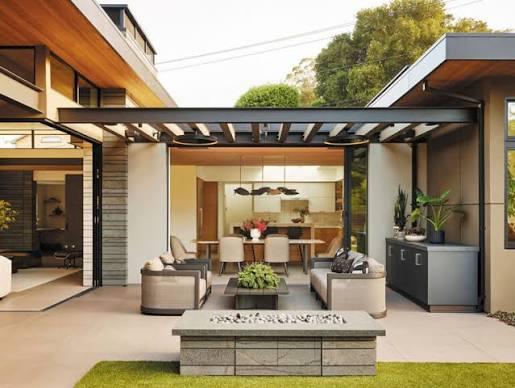
Outdoor spaces become significantly more useful when they have the right combination of structure, comfort, and visual appeal. While plants provide color and natural character, hardscape elements create the foundation that defines how people move through and use a landscape. Patios, walkways, retaining walls, steps, seating areas, and other constructed features can transform an open yard into a functional outdoor environment.
Professional hardscape build and installation provides property owners with a practical way to create durable outdoor surfaces and structural features that complement the surrounding landscape. When properly planned and installed, hardscaping can improve accessibility, create gathering areas, manage elevation changes, and contribute to the long term value of a property.
Understanding the Role of Hardscaping
Hardscape elements are the nonliving structural components of a landscape. They include patios, pathways, retaining walls, steps, stone features, outdoor seating areas, and other constructed surfaces.
These features provide organization and definition. A patio can establish an outdoor dining room, while a walkway can connect the front entrance to the backyard. Retaining walls can create usable levels on sloped properties.
Effective hardscaping combines practical performance with attractive design.
Designing Durable Patios
Patios are among the most popular hardscape features because they expand usable living space. A thoughtfully planned patio can provide an area for dining, entertaining, relaxing, or enjoying outdoor activities.
The size, shape, material, and placement should reflect how the space will be used.
Professional construction also considers base preparation, drainage, grading, and material installation. These factors help reduce the risk of shifting, cracking, pooling water, and other common problems.
A well built patio can remain functional and attractive for many years.
Creating Functional Walkways
Walkways provide more than simple access. They can guide movement through the landscape while contributing to its overall visual character.
A pathway can connect the driveway to the front door, lead guests toward a patio, or create a route through garden areas.
Professional designers consider width, slope, material, surrounding planting, and expected traffic when planning pathways.
Thoughtful walkway construction can make a property easier to navigate while creating a more cohesive landscape.
The Importance of Proper Site Preparation
Quality hardscaping begins beneath the visible surface. Proper site preparation is essential for long term durability.
The ground must be evaluated, excavated where necessary, compacted appropriately, and prepared with a suitable base.
Without proper preparation, hardscape surfaces may shift, settle, or develop uneven areas over time.
Professional hardscape build and installation focuses on these foundational details to create reliable outdoor surfaces.
Managing Drainage and Water Flow
Water management is one of the most important considerations in hardscape construction. Patios and walkways must be designed so that water does not collect in undesirable areas.
Proper grading and drainage can protect hardscape surfaces while reducing erosion and standing water.
Drainage should be considered during the design stage rather than treated as an afterthought.
A well planned hardscape project combines attractive surfaces with effective site performance.
Using Retaining Walls Effectively
Retaining walls can solve practical landscape challenges while adding visual structure.
They can help manage slopes, stabilize soil, create planting beds, and establish different levels within a yard.
Retaining walls can also become design features when constructed with materials that complement the property's architecture and surrounding landscape.
Professional planning is important because retaining walls must account for drainage, soil pressure, foundation requirements, and long term stability.
Choosing the Right Materials
Material selection can dramatically influence the appearance and performance of a hardscape project.
Natural stone, concrete pavers, porcelain, brick, and other materials can create different styles and textures.
The best material depends on factors such as intended use, environmental exposure, maintenance preferences, architectural style, and budget.
A cohesive material palette can help patios, walkways, retaining walls, and other features feel connected.
Integrating Hardscape With Landscaping
Hardscape should work together with plants rather than compete with them. Trees, shrubs, flowers, ornamental grasses, and groundcover can soften structural surfaces and add color.
Planting beds can be positioned along walkways and patios to create natural transitions.
Professional hardscape landscape architecture can help integrate structural and natural elements into one cohesive outdoor environment.
This balance creates landscapes that feel both organized and inviting.
Creating Outdoor Entertainment Areas
Hardscaping can provide the foundation for outdoor entertainment. A spacious patio can accommodate dining furniture, seating, grills, fire features, and other amenities.
The layout should allow comfortable movement between different areas.
Outdoor entertainment spaces can also be connected to interior rooms, creating a natural flow between indoor and outdoor living.
Thoughtful planning makes these areas more convenient and enjoyable.
Improving Accessibility
Well designed hardscaping can improve accessibility throughout a property. Smooth pathways, appropriate slopes, properly designed steps, and clearly defined routes can make outdoor areas easier to navigate.
Accessibility should be considered based on the needs of the people using the property.
Professional planning helps create outdoor environments that are comfortable and practical for everyday movement.
Designing Low Maintenance Outdoor Spaces
Hardscape features can also reduce maintenance when used strategically. Durable patios and pathways require less seasonal care than large planted areas while still adding significant functionality.
Combining hardscape with carefully selected planting areas can create an attractive landscape that remains manageable.
Proper construction and material selection further reduce future repair requirements.
Hardscaping for Residential Properties
Homeowners can use hardscape features to expand outdoor living areas and improve property organization.
A front walkway can strengthen curb appeal, while a backyard patio can create space for entertaining.
Retaining walls can address elevation challenges, and pathways can connect different outdoor zones.
The possibilities are extensive when hardscaping is planned around the property's specific characteristics.
Hardscaping for Commercial Properties
Commercial properties can also benefit from professional hardscaping. Durable walkways, entry areas, plazas, patios, and seating spaces can improve both appearance and functionality.
Commercial surfaces often experience higher levels of traffic, making material selection and construction quality especially important.
A well planned hardscape environment can create a professional and welcoming atmosphere for customers and employees.
Long Term Value of Quality Hardscaping
Hardscape improvements can contribute to the long term appeal and value of a property. Durable outdoor surfaces provide useful space while improving the overall appearance of the landscape.
Quality construction can also reduce the likelihood of premature repairs and replacements.
When hardscaping is designed as part of a complete landscape plan, it can become a lasting investment rather than a temporary improvement.
Why Professional Installation Matters
Hardscape construction requires precision. Uneven bases, poor drainage, incorrect material installation, or inadequate structural support can cause problems later.
Professional installers understand the importance of preparation, grading, compaction, drainage, and finishing details.
Their expertise helps ensure that the finished hardscape performs as intended while maintaining its visual appeal.
Conclusion
Hardscape features provide the structure that allows outdoor environments to become more functional, accessible, and enjoyable. Professional hardscape build and installation can transform ordinary yards and commercial properties into durable outdoor spaces designed around real needs.
From patios and walkways to retaining walls and entertainment areas, every feature can contribute to a cohesive landscape when properly planned. Combining durable hardscape landscape architecture with appropriate planting, drainage, and outdoor living features creates an environment that balances structure with natural beauty.
Investing in professional hardscape construction is about more than improving appearance. It creates usable space, supports long term durability, enhances property appeal, and gives people more opportunities to enjoy their outdoor surroundings. With thoughtful planning and skilled installation, patios, walkways, and other hardscape features can remain valuable parts of a landscape for years to come.

 English
 Arabic
 French
 Spanish
 Portuguese
 Deutsch
 Turkish
 Dutch
 Russian
 Romaian
 Portuguese (Brazil)
 Greek