


What Are the Four Major Types of Warehousing?
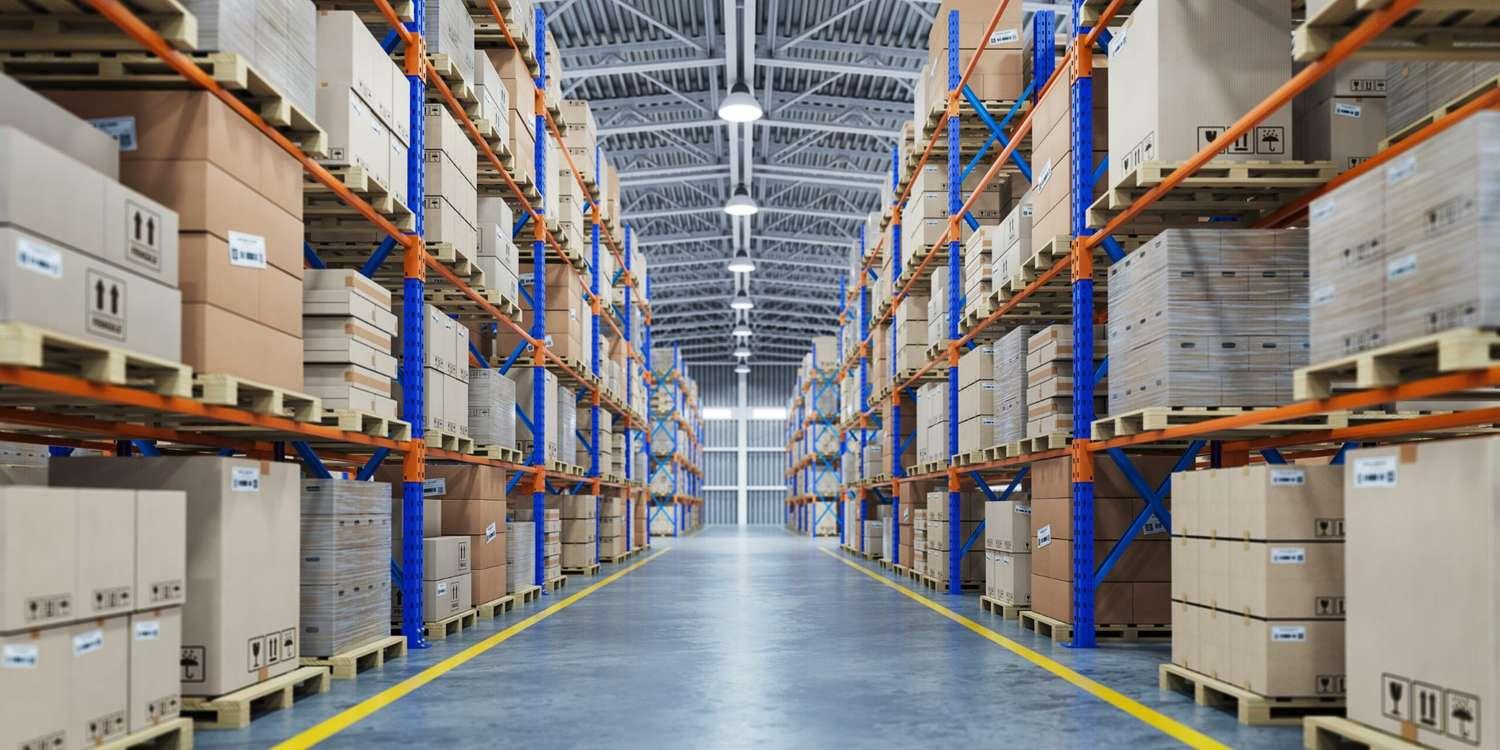
Warehousing plays a key role in smooth supply chain operations. Whether a business deals with retail, e-commerce, manufacturing, or wholesale distribution, the right warehouse type helps control inventory, reduce delivery delays, and maintain product quality. Many brands today also rely on external partners like Shipdaak when they need a reliable warehouse services provider that can support storage, order processing, and fast movement of goods across locations.
Understanding the major warehouse types helps companies select the right model based on their size, budget, and product category. Broadly, four types of warehouses are used in modern logistics. Here is a simple explanation of each one.
1. Private Warehouse
A private warehouse is owned or operated by manufacturers, distributors, wholesalers, or large retailers. These companies invest in their own storage spaces because they handle high inventory volumes and need full control over operations.
Key Features:
· Full ownership and customisation
· Higher initial investment
· Suitable for long-term storage needs
· Better security and dedicated staff
Businesses choose private warehouses when they want stability, predictable storage levels, and complete control over how the warehouse runs. For example, a big FMCG brand may build its own warehouse to manage daily movement of products to different regions. The biggest benefit is operational control, but the drawback is high setup and maintenance cost.
2. Public Warehouse
A public warehouse is operated by government bodies or private companies who rent out space to businesses. Small and medium companies often choose this type because they do not need to invest in building their own warehouse.
Key Features:
· Low cost because it follows a pay-as-you-use model
· Flexible space (can increase or decrease as needed)
· Ideal for startups, seasonal sellers, and small retailers
· No long-term investment or maintenance burden
Public warehouses are very useful for businesses with unpredictable stock. They allow companies to scale storage up or down at any time. This makes operations more flexible, especially for sellers who deal with seasonal demand such as festival-based product sales.
3. Bonded Warehouse
A bonded warehouse is specially authorised by customs authorities to store imported goods on which customs duty is yet to be paid. These warehouses are strictly monitored and follow government rules.
Key Features:
· Used for imported goods
· Customs duty can be paid later
· Safe handling of restricted or high-value items
· Ideal for companies dealing with global trade
Bonded warehouses help businesses manage cash flow because they can delay the payment of customs duty until goods are ready to be sold. Export-import companies prefer this type, especially when they need extra time to complete paperwork, quality checks, or distribution planning.
4. Distribution Center
A distribution center is a more advanced type of warehouse designed to store products for a short time and move them out quickly. These centers are usually located close to major transport routes and are heavily technology-driven.
Key Features:
· Focus on fast order processing rather than long-term storage
· Automated systems like barcode scanners, conveyors, and WMS
· Supports same-day and next-day deliveries
· Ideal for e-commerce, FMCG, and high-volume businesses
A distribution center ensures faster replenishment and reduces shipping time for customers. These centers are essential for modern e-commerce logistics where quick delivery is a competitive advantage.
Conclusion
Choosing the right warehouse type depends on various factors such as product type, demand pattern, volume, and budget. Whether a business needs long-term storage, flexible renting options, customs-controlled storage, or fast distribution, understanding these four major warehouse types makes planning easier. Companies today also partner with trusted experts like Shipdaak when they want a dependable warehouse services provider that can manage storage, fulfilment, and timely movement of goods. With the right warehouse setup, businesses can reduce costs, improve delivery speed, and boost customer satisfaction.

 English
 Arabic
 French
 Spanish
 Deutsch
 Turkish
 Dutch
Dutch
 Italiano
 Russian
 Romaian
 Portuguese (Brazil)
 Greek
Greek