


Pre-Marital Health Check-Up: Common Tests and Their Purpose
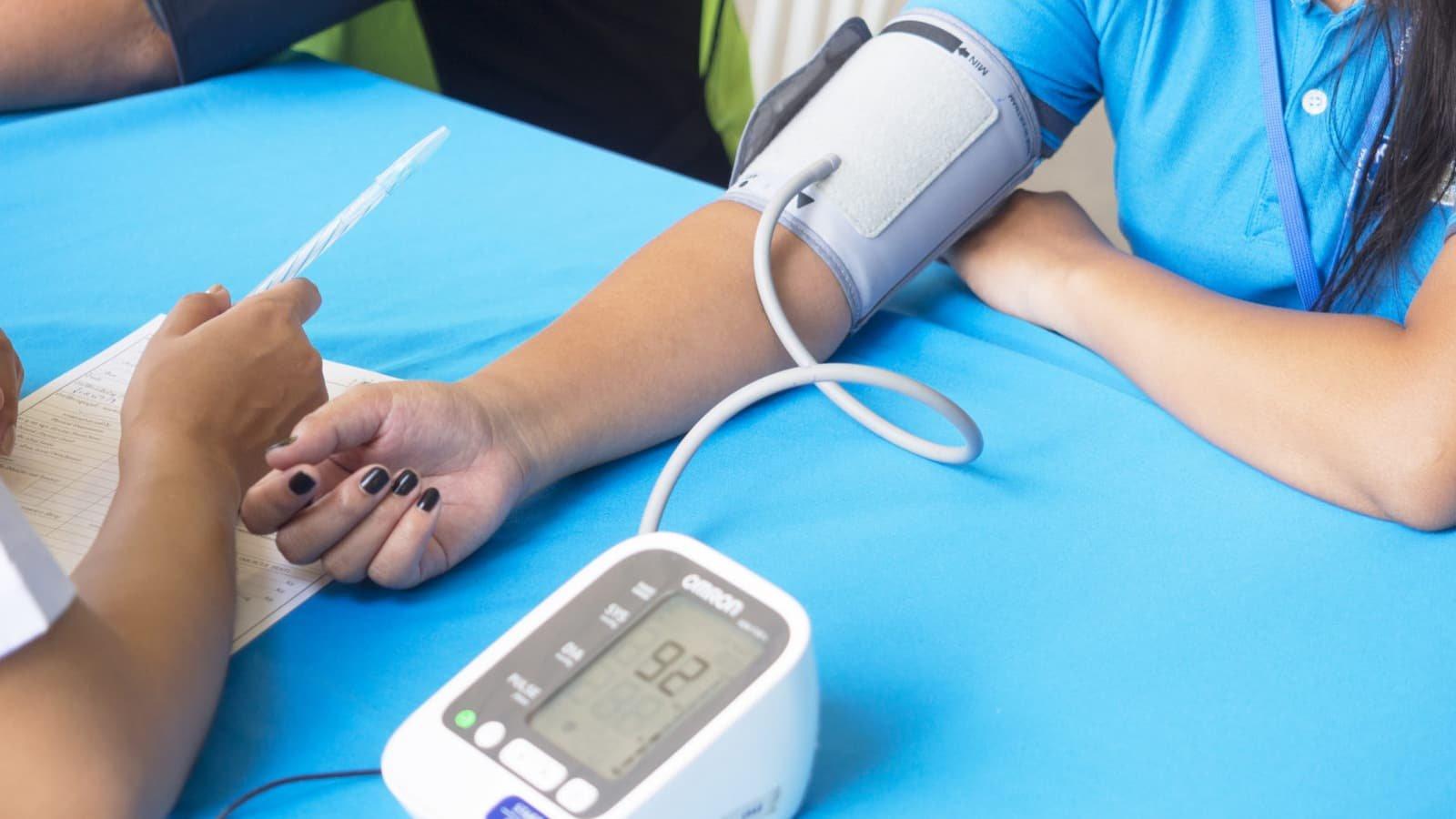
A Pre-Marital Health Check-Up in Dubai is a preventive health assessment designed to give couples useful information before marriage. Rather than being a simple collection of laboratory tests, it can help identify selected inherited blood disorders, certain infections, blood-related conditions, and other health concerns that may benefit from early medical attention.
The exact tests included in a pre-marital medical examination vary by country, healthcare provider, personal medical history, and local regulations. For example, Saudi Arabia's official premarital screening program currently focuses on selected hereditary blood disorders such as thalassemia and sickle cell disease, along with hepatitis B, hepatitis C, and HIV, and includes medical counseling.
Understanding the purpose of each test makes the process easier to navigate and helps couples understand why screening can be valuable for long-term health planning.
What Is the Purpose of a Pre-Marital Health Check-Up?
The main purpose of pre-marital screening is health awareness and informed decision-making.
Some inherited and infectious conditions may exist without noticeable symptoms. Testing can identify selected conditions early, allowing a healthcare professional to explain the findings and recommend appropriate follow-up.
A health check-up may help:
-
Identify selected inherited blood disorders
-
Detect certain infections
-
Assess blood health
-
Establish useful medical records
-
Identify situations requiring additional testing
-
Support future family health planning
-
Provide professional medical counseling
It is important to understand that a pre-marital check-up is not a complete assessment of every possible disease. It is a targeted screening process, and the exact scope depends on the screening program.
The Main Tests: What Does Each One Actually Do?
Complete Blood Count:
A Complete Blood Count (CBC) is a common blood test that measures different blood components, including red blood cells, white blood cells, hemoglobin, and platelets.
One of its important purposes is to identify patterns that may suggest anemia or another blood-related concern.
The CBC may also provide clues that lead a healthcare professional to recommend further testing for inherited blood disorders. For example, changes in red blood cell size and hemoglobin measurements can sometimes prompt additional evaluation for thalassemia or another hemoglobin condition.
A CBC result should not be interpreted on its own. If a value is outside the laboratory's reference range, further evaluation may be necessary to understand the reason.
Hemoglobin and Hemoglobinopathy Testing:
Hemoglobin is the protein inside red blood cells that helps transport oxygen throughout the body.
Some inherited conditions affect the production or structure of hemoglobin. These are often referred to as hemoglobinopathies.
If routine blood testing suggests a possible inherited blood condition, specialized testing may be recommended. Depending on the screening program and laboratory, this can include hemoglobin analysis, high-performance liquid chromatography, electrophoresis, or other specialized methods. Saudi health laboratory guidance lists CBC and specialized hemoglobin testing among methods used for hemoglobinopathy and thalassemia assessment.
The purpose is to determine whether there is evidence of a particular hemoglobin pattern that needs further interpretation.
Thalassemia Screening:
Thalassemia screening is an important component of some pre-marital screening programs.
Thalassemia is an inherited blood disorder affecting hemoglobin production. Its severity can vary, and some people may carry a relevant genetic trait without obvious symptoms.
This makes screening useful even when someone feels completely healthy.
Initial blood tests may identify patterns that suggest thalassemia. Additional hemoglobin or genetic testing may then be used when appropriate.
If a carrier state is identified, medical or genetic counseling can explain what the result means and whether additional assessment may be useful for future family planning.
Sickle Cell Screening:
Sickle cell screening looks for inherited hemoglobin variants associated with sickle cell disease and related conditions.
Like thalassemia, sickle cell conditions can have different forms and levels of severity. A person can also carry a sickle cell trait without having sickle cell disease.
This distinction is important when interpreting screening results.
If an initial test identifies an unusual hemoglobin pattern, a healthcare professional may recommend confirmatory testing. The goal is to establish exactly what the result represents rather than making a conclusion from a single screening test.
Both sickle cell disease and thalassemia are specifically included in Saudi Arabia's current official premarital screening program.
Blood Group and Rh Factor Testing:
Another useful test is blood group and Rh factor testing.
The ABO blood group system identifies a person as A, B, AB, or O. Rh testing commonly identifies the person as positive or negative.
For example, a laboratory report might state “A positive” or “O negative.”
Knowing your blood group can be useful for medical records and future healthcare situations, including circumstances where blood transfusion may be necessary.
Rh status can also become relevant during pregnancy care. However, different blood groups between two people do not generally indicate that they are medically unsuitable for marriage.
Blood group testing should therefore be viewed as useful medical information rather than a measure of personal or marital compatibility.
Hepatitis B Screening:
Hepatitis B testing may be included in pre-marital screening because hepatitis B is a viral infection that can affect the liver.
One commonly used screening marker is HBsAg, or hepatitis B surface antigen.
A screening result may not tell the entire medical story. Depending on the finding, additional hepatitis B markers or confirmatory testing may be needed to determine the person's status more accurately.
Early identification allows appropriate medical evaluation and follow-up. Saudi Arabia's premarital screening program includes hepatitis B among the infectious diseases covered by its national program.
Hepatitis C Testing:
Hepatitis C screening may also be included, depending on local healthcare requirements.
An initial test commonly looks for antibodies associated with hepatitis C. If antibodies are detected, additional testing may be required to determine whether there is a current infection.
This illustrates why a reactive screening result should not automatically be treated as a final diagnosis.
Healthcare professionals interpret the result alongside confirmatory tests and the person's medical history.
HIV Screening:
Some official pre-marital screening programs include HIV testing as part of their infectious disease assessment.
A screening test is intended to identify whether additional evaluation may be necessary. If a result is reactive, appropriate confirmatory testing is required before a final diagnosis is established.
Saudi Arabia's current official premarital screening information lists HIV together with hepatitis B, hepatitis C, thalassemia, and sickle cell disease among the conditions screened.
Because screening requirements vary between countries, couples should confirm the current test panel with their local healthcare authority or accredited medical facility.
Additional General Health Tests:
Not every pre-marital health check-up stops at the core screening panel.
A healthcare provider may recommend additional tests based on age, symptoms, family history, medications, or existing medical conditions.
These may include:
Blood Glucose:
Blood glucose testing can help assess blood sugar levels and may be recommended when there is a risk of diabetes or another clinical reason.
Cholesterol and Lipid Profile:
A lipid profile measures blood fats such as cholesterol and triglycerides. It may be included in a broader health assessment when appropriate.
Liver Function Tests:
These tests can provide information about liver health and may be recommended when there is a relevant medical history or abnormal finding.
Kidney Function Tests:
Kidney-related blood tests may be appropriate when a healthcare professional identifies a reason to assess kidney function.
Thyroid Testing:
Thyroid-related tests are not necessarily part of every pre-marital screening package. They may be recommended when symptoms, medical history, or other findings make them appropriate.
These additional investigations should be considered individualized health assessments, not universal requirements.
Why Family Medical History Matters?
Laboratory tests are only one part of the picture.
Before your appointment, consider whether close family members have had conditions such as thalassemia, sickle cell disease, other inherited disorders, diabetes, heart conditions, or other illnesses that appear repeatedly within the family.
A family history does not mean that you have inherited the same condition. However, it can help your healthcare provider determine whether additional screening or genetic counseling may be appropriate.
Providing accurate family information can therefore make a pre-marital health assessment more useful.
What Happens If a Test Result Is Abnormal?
An abnormal or reactive result does not automatically mean that a person has a serious disease.
Screening tests are often designed to identify possible concerns that need further assessment.
Depending on the result, a doctor may recommend:
-
Repeating the original test.
-
Performing a confirmatory laboratory test.
-
Ordering specialized testing.
-
Reviewing previous medical records.
-
Assessing family medical history.
-
Arranging genetic counseling.
-
Starting treatment or monitoring when appropriate.
The correct next step depends on the specific test and the person's overall health.
Why Medical Counseling Is Part of the Process?
A laboratory report can contain unfamiliar terms and numbers. Medical counseling helps transform those results into understandable information.
For example, a healthcare professional can explain the difference between a carrier state and an inherited disease, clarify whether an infectious disease screening result requires confirmation, and discuss whether further family health assessment is appropriate.
Saudi Arabia's official premarital screening program specifically includes medical consultation to help couples understand possible health implications and plan for a healthy family.
This counseling component is particularly important when a screening result requires further evaluation.
How Should You Prepare for the Tests?
Preparation depends on the tests included in your appointment.
Before visiting the healthcare facility:
-
Confirm which tests are included.
-
Ask whether fasting is required.
-
Bring relevant previous medical reports.
-
Prepare a list of medicines and supplements.
-
Review important family medical history.
-
Follow all laboratory instructions.
-
Ask how and when your results will be explained.
Do not stop prescribed medication unless your healthcare provider specifically tells you to do so.
If you are completing screening for an official purpose, also confirm that the facility is authorized to provide the required examination and documentation.
Are These Tests the Same Everywhere?
No. This is one of the most important points to remember.
There is no universal worldwide pre-marital test package. Requirements differ according to national health programs, local regulations, healthcare providers, and individual circumstances.
For example, Saudi Arabia's current official program recommends premarital screening for selected inherited blood disorders and infectious diseases and advises couples to complete screening at least three months before the marriage date.
A clinic in another country may use a different screening panel.
Therefore, couples should always verify the current requirements with the relevant healthcare authority or medical provider rather than relying on an online checklist.
The Real Value of a Pre-Marital Health Check-Up:
The value of pre-marital screening is not simply obtaining a laboratory report.
It is about gaining useful health information before important future decisions are made.
A CBC can reveal blood-related patterns. Hemoglobin testing can help identify inherited blood conditions. Blood group and Rh testing provide important medical information. Infectious disease screening can identify conditions that require appropriate follow-up. Genetic counseling can help explain inherited health findings.
Together, these services can support preventive care and informed health planning.
Final Thoughts:
A pre-marital health check-up may include several tests, each serving a different purpose. Common assessments can include a CBC, hemoglobinopathy and inherited blood disorder screening, thalassemia and sickle cell testing, blood group and Rh factor testing, and selected infectious disease screening such as hepatitis B, hepatitis C, and HIV.
Additional Lab tests may be recommended when a person's medical history or health circumstances make them appropriate.
The most important point is that screening is not a pass-or-fail examination. A normal result does not rule out every possible health condition, and an abnormal result does not automatically confirm a diagnosis. Professional interpretation and follow-up are essential when results are unclear or outside the expected range.
Before your appointment, confirm the required tests, follow preparation instructions, provide an accurate family and medical history, and choose a qualified healthcare provider. Used correctly, a pre-marital health check-up can be a valuable step toward greater health awareness and thoughtful long-term family planning.

 English
 Arabic
 French
 Spanish
 Portuguese
 Deutsch
 Turkish
 Dutch
 Italiano
 Russian
 Portuguese (Brazil)
 Greek