


How to Buy Off-Plan Property in Dubai: A Simple Step-by-Step Guide
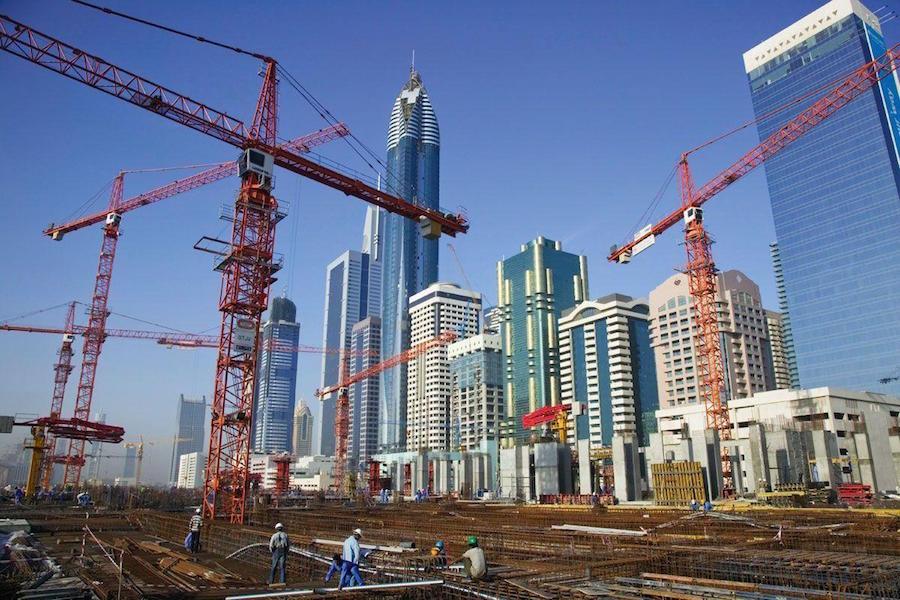
Buying off-plan property in Dubai means you buy a home before it is built. You pay in stages while the builder finishes the project. This guide breaks the process into easy steps, so you can buy with confidence and avoid common mistakes.
Dubai is one of the safest cities in the world for this kind of purchase. The government watches every project closely. Strong rules protect your money from start to finish. That is why so many buyers now search for Property for Sale in Dubai instead of other markets nearby.
What Does "Off-Plan" Actually Mean?
An off-plan home is a unit you buy using floor plans, 3D renders, and a sample model. The building may not exist yet. You pay a deposit first, then more money as construction moves forward. When the building is done, you get the keys.
This differs from a ready property, which you can see, touch, and move into right away. Off-plan homes usually cost less at launch. They also give you more time to save, since payments spread across two to five years.
Why Buyers Choose Off-Plan Homes
-
Lower entry price compared to ready homes
-
Flexible payment plans tied to construction stages
-
Higher chance of capital appreciation before handover
-
Modern designs and new community amenities
-
Easier financial planning without one large upfront cost
The Legal System That Protects Your Money
Dubai runs one of the most transparent real estate markets in the region. Two government bodies manage this system.
Dubai Land Department (DLD)
The DLD records every sale in the city. It issues the final title deed once your home is complete. Before that, it manages a system called Oqood, which acts as your proof of ownership during construction.
RERA (Real Estate Regulatory Agency)
RERA sets the rules that developers and agents must follow. Every off-plan project must carry a RERA registration number before it can go on sale. You can check this number on the DLD website before you commit any money.
Escrow Accounts: Your Main Safety Net
Every approved project must have an escrow account. Your payments go into this account, not into the developer's personal bank account. The developer can only withdraw funds after an inspector confirms real construction progress. This rule protects buyers if a builder runs into financial trouble.
Step-by-Step Process to Buy Off-Plan Property in Dubai
Step 1: Set Your Goal and Budget
Decide why you are buying. Are you looking for rental income, long-term capital appreciation, or a home for your own family? Your answer shapes the area, unit size, and payment plan you should pick.
Step 2: Research the Area and Developer
Compare price per square foot across a few communities. Look at rental yield data. Check the developer's past projects and how many were delivered on time. A strong track record lowers your risk a lot.
Step 3: Check RERA Registration and Escrow Status
Confirm the project's RERA number and its escrow account on the DLD website or the Dubai REST app. Skip this step, and you skip your biggest layer of protection.
Step 4: Work with a Licensed Agent
Ask to see the agent's RERA card before you sign anything. A licensed agent can guide you toward strong projects and share verified property listings instead of outdated or fake ones.
Step 5: Reserve Your Unit
Once you choose a unit, you pay a booking fee, usually 5% to 10% of the price. The developer gives you an Expression of Interest (EOI) or a booking form. This step also locks in your floor, view, and unit number.
Step 6: Sign the Sales and Purchase Agreement (SPA)
The SPA is your main contract. It lists the full price, payment schedule, handover date, and delay penalties. Read the delay clause carefully, since it decides your rights if the project runs late.
Step 7: Complete Oqood Registration
After you sign the SPA, the developer registers your purchase with the DLD through Oqood within 90 days. This step gives you legal proof that you own the unit while it is still under construction.
Step 8: Follow the Payment Plan
Most plans link payments to construction milestones, such as 10% at the foundation stage and another 10% at mid-structure. Some developers now offer payment plans that stretch years past handover.
A Quick Note on Post-Handover Plans
These plans let you keep paying after you move in. They ease pressure on your cash flow, but always check the interest terms before you agree.
Step 9: Track Construction and Prepare for Handover
Stay in touch with the developer through project updates. Before handover, do a full inspection of the unit, called snagging, to check for defects.
Step 10: Get Your Title Deed
Once construction ends and you pay any remaining balance, the Oqood certificate converts into a full title deed. At this point, you also pay the DLD transfer fee, usually 4% of the property value.
Common Mistakes to Avoid
-
Skipping the escrow account check
-
Working with an unlicensed broker
-
Ignoring service charges after handover
-
Signing the SPA without reading the delay clause
-
Buying without a clear investment plan
Final Thoughts
Buying off-plan property in Dubai is simple once you know the steps. The city's strong legal framework, backed by RERA and DLD, gives buyers real protection that many other markets do not offer. Take your time, verify every document, and always browse Property for Sale in Dubai through trusted, property listings before you commit.
FAQs
Can foreigners buy off-plan property in Dubai?
Yes. Foreign nationals can buy freehold off-plan property in designated zones with full ownership rights and no residency requirement.
How much deposit do I need for off-plan property?
Most developers ask for a booking fee between 5% and 10% of the purchase price to reserve a unit.
What is Oqood, and why does it matter?
Oqood is the DLD's interim registration system. It gives you legal proof of ownership while your building is still under construction.
Can I get a mortgage for off-plan property in Dubai?
Yes, many banks offer mortgages for off-plan property, though loan-to-value limits and eligibility rules differ from ready-property mortgages.
What happens if the developer delays handover?
RERA rules give buyers the right to compensation or contract cancellation if delays go beyond the grace period stated in your SPA.

 English
 Arabic
 French
 Spanish
 Portuguese
 Deutsch
 Turkish
 Dutch
 Italiano
 Romaian
 Portuguese (Brazil)
 Greek