


Functional Innovation in Contemporary Plastic Mold Manufacturing
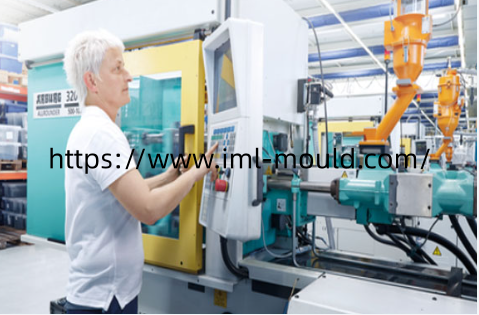
Modern plastic products depend heavily on mold quality because the mold determines how a product is formed, detailed, and repeated during manufacturing. For businesses evaluating a Precision Injection Mold, the decision involves much more than the mold itself. Material selection, purchasing considerations, functional engineering, user experience, maintenance, and visual design all influence how effectively a mold supports a finished plastic product and its wider manufacturing process.
Material selection provides the foundation of mold development. Mold makers may work with different tool steels and other engineering materials according to the expected production environment and product requirements. Important considerations include hardness, toughness, wear resistance, machinability, corrosion resistance, thermal behavior, and surface finishing capability. The selected material needs to support the mold structure while remaining suitable for machining, polishing, heat treatment, and ongoing maintenance.
The relationship between mold material and plastic material is equally important. Different plastics can behave differently during filling, cooling, shrinkage, and ejection. Some products may require greater attention to surface appearance, while others may depend more strongly on structural accuracy or easy demolding. Engineers therefore need to consider the interaction between the mold and the plastic product from the earliest design stage.
Purchasing decisions should begin with the final product concept rather than the tooling alone. Buyers can consider product geometry, material selection, surface expectations, assembly requirements, production workflow, and future design changes when reviewing mold solutions. A well-planned mold should support the complete manufacturing process rather than simply reproduce the shape of a product. Understanding how the mold will interact with molding equipment and downstream assembly can make procurement more effective.
Supplier evaluation is another important part of mold purchasing. A capable mold manufacturer should provide technical communication, design support, machining expertise, quality management, customization flexibility, and practical project coordination. Customers may also benefit from a supplier that can identify manufacturability issues before tooling begins. Ningbo Hengqi Precision Mould Co., Ltd. focuses on precision mold development and practical plastic product applications, connecting engineering considerations with manufacturing requirements.
Functional engineering has a direct influence on mold performance. Engineers need to study parting lines, gates, runners, cooling channels, ejector structures, inserts, slides, lifters, and other mold elements according to the product concept. The goal is to create a coordinated system that allows the plastic material to fill the cavity effectively while supporting smooth ejection and stable production. Good mold engineering can also make later maintenance more manageable.
Technology continues to reshape mold development. Digital modeling and simulation tools allow engineers to review product geometry, material flow, cooling behavior, ejection concepts, and potential manufacturing issues before physical tooling is completed. Modern CNC machining, wire cutting, electrical discharge machining, grinding, polishing, and inspection technologies can support consistent mold fabrication. These processes also provide opportunities to refine complex features and improve the connection between digital design and physical production.
User experience matters even when the mold is not visible to the final consumer. Mold quality affects the consistency of plastic components, and component quality can influence how easily products are assembled, handled, cleaned, or maintained. Production teams also interact with molds during installation, adjustment, cleaning, and service. Accessible mold structures and clearly organized components can make these tasks easier for technicians and operators.
Maintenance should be considered during mold development rather than added later. Injection molds require cleaning, inspection, lubrication, and replacement of wear-related components during their working lifecycle. A design with practical access to key areas can simplify routine service. Replaceable inserts and organized mechanisms can also help manufacturers manage maintenance without unnecessarily disrupting the wider production process.
Design and appearance are closely connected with mold quality because many plastic products depend on clean surfaces and detailed visual features. Polished cavities, controlled textures, clear branding areas, and carefully managed edges can influence the appearance of finished products. Engineers and designers can work together to translate visual ideas into mold features while maintaining practical manufacturability.
Customization gives brands and manufacturers greater flexibility during product development. Different projects may require special textures, logos, functional inserts, surface treatments, assembly features, or structural changes. Flexible mold engineering allows manufacturers to adapt tooling around customer needs while keeping the production process organized. Collaboration among designers, engineers, mold makers, and product manufacturers can help turn creative concepts into workable plastic products.
Quality management connects material evaluation, mold design, machining, heat treatment, polishing, assembly, inspection, testing, and customer feedback. Consistent procedures help manufacturers identify issues early and improve future tooling. Feedback from production teams can also provide useful information about ejection, cooling, surface quality, maintenance, assembly, and finished-product consistency.
Ningbo Hengqi Precision Mould Co., Ltd. continues developing mold solutions through engineering experience, precision machining, quality-focused production, flexible product development, and attention to customer application needs. Its approach connects mold materials, tooling technology, maintenance, product functionality, and visual requirements to support different plastic product projects. More information about its products and capabilities is available at https://www.iml-mould.com/.

 English
 Arabic
 French
 Spanish
 Portuguese
 Deutsch
 Turkish
 Italiano
 Russian
 Romaian
 Portuguese (Brazil)
 Greek