


LED Light Therapy Masks: How They May Improve Your Skincare Routine
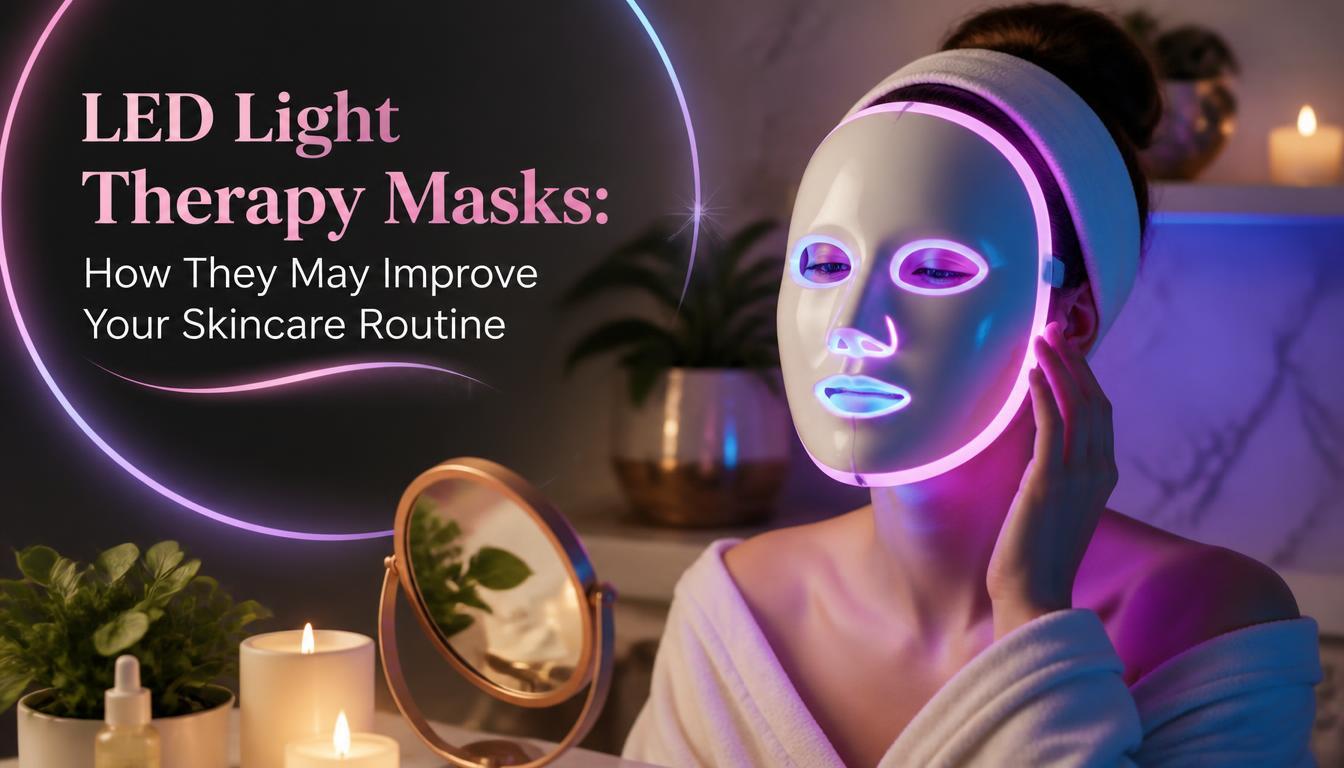
Skincare technology has come a long way, and LED light therapy masks are now one of the most talked-about tools for achieving healthier-looking skin at home. These wearable devices use specific wavelengths of light to target different skin concerns, including acne, fine lines, redness, and uneven-looking skin.
But are LED masks worth adding to your routine? How do they work, and what should you realistically expect from regular use? This guide explores how LED light therapy masks may complement your skincare routine and how to use them effectively.
What Are LED Light Therapy Masks?
LED light therapy masks are at-home devices that expose the face to specific wavelengths of non-UV light. LED stands for light-emitting diode, a technology that has been studied for various dermatological and cosmetic applications.
Unlike tanning lamps, LED masks do not rely on ultraviolet light. Instead, they commonly use red, near-infrared, blue, or combined wavelengths.
Different colors of LED light are associated with different skincare goals. Red and near-infrared light are generally used in routines focused on visible signs of aging and overall skin appearance, while blue light is commonly used for acne-prone skin.
How Does LED Light Therapy Work?
LED light therapy is often discussed in terms of photobiomodulation, where particular wavelengths of light interact with biological tissues and may influence cellular processes.
Red and near-infrared light have received attention for their potential role in improving the appearance of fine lines and wrinkles. Research into at-home LED devices has reported improvements in certain facial wrinkles following repeated treatment.
Blue light works differently and has been investigated for acne because it may affect bacteria associated with acne. However, results can vary depending on the device, wavelength, treatment duration, and individual skin condition.
This means an LED mask should be viewed as a skincare-support tool rather than a guaranteed solution for every skin concern.
Potential Benefits of LED Face Masks
May Support Smoother-Looking Skin
One reason people use red-light therapy is to improve the appearance of skin texture. With consistent use, some LED treatments may help skin look smoother and more refreshed.
The effects are generally gradual rather than dramatic. An LED mask cannot completely transform skin overnight, so realistic expectations are important.
May Help With Acne-Prone Skin
Blue-light therapy is particularly popular among people dealing with occasional breakouts. Some research suggests that visible-light treatments may help reduce acne severity in certain individuals.
However, an LED mask should not replace proven acne treatments when you have persistent or severe breakouts. A dermatologist can help identify the most appropriate treatment for your skin.
May Improve the Appearance of Fine Lines
Red and near-infrared wavelengths are frequently included in anti-aging LED devices. Repeated treatments may help reduce the appearance of certain fine lines and support a more youthful-looking complexion.
The key word is consistent. Results, when they occur, usually require repeated use over time rather than occasional sessions.
Convenient At-Home Skincare
Perhaps the biggest advantage of an LED mask is convenience. Instead of scheduling frequent professional appointments, you can incorporate an at-home device into your existing skincare routine.
Most devices are designed for relatively short sessions, although the recommended treatment time varies by product.
Red Light vs. Blue Light: Which Should You Choose?
Choosing the right LED mask depends largely on your skincare goals.
Red light is commonly selected for visible signs of aging, fine lines, and general skin rejuvenation.
Near-infrared light is often paired with red light in devices designed to support skin-rejuvenation routines.
Blue light is primarily associated with acne-focused skincare.
Combination masks may provide multiple settings, allowing users to choose different wavelengths for different concerns.
Before buying an LED mask, check the manufacturer's specifications rather than relying only on the color of the LEDs. The wavelength, power output, treatment distance, and recommended usage schedule can all affect how a device is intended to work.
How to Add an LED Mask to Your Skincare Routine
Using an LED mask does not need to make your skincare routine complicated. A simple approach can help you stay consistent.
Start by cleansing your face and removing makeup, sunscreen, and other products that the manufacturer advises you to remove. Use the LED mask according to its instructions, including the recommended treatment duration.
After the session, continue with your normal skincare routine. A gentle moisturizer can help maintain the skin barrier, while daytime sunscreen remains essential.
Avoid assuming that longer sessions produce better results. Follow the manufacturer's instructions rather than increasing exposure in an attempt to accelerate results.
How Often Should You Use an LED Mask?
There is no single schedule that works for every LED device. Some masks are designed for several sessions per week, while others have different recommendations.
Always follow the instructions provided with your specific device. Consistency is generally more sensible than using the mask excessively.
It can also be helpful to take occasional photos under similar lighting conditions if you want to monitor changes. Because skincare improvements can be subtle, photographs may make gradual differences easier to notice.
Are LED Light Therapy Masks Safe?
For many users, LED therapy is well tolerated when the device is used correctly. However, mild irritation, temporary redness, or discomfort can occur.
Eye protection is another important consideration. Follow the device's instructions regarding eye safety and never modify the mask or use it in a way that differs from the manufacturer's guidance.
If you have a condition that makes you sensitive to light or take medication that increases photosensitivity, speak with a healthcare professional before using an LED device.
People with significant or persistent skin problems should also consider professional dermatological advice rather than relying exclusively on an at-home mask.
Common Mistakes to Avoid
Getting the most from an LED mask isn't simply about buying an expensive device. Avoid these common mistakes:
-
Expecting instant results: LED therapy typically requires repeated use.
-
Ignoring the instructions: Different masks have different specifications and schedules.
-
Using the mask excessively: More treatment does not automatically mean better results.
-
Skipping sunscreen: LED therapy does not replace daily sun protection.
-
Choosing a device based only on appearance: Look for clear technical information about wavelengths and usage.
-
Using it as a replacement for medical treatment: Persistent acne or other skin conditions may require professional care.
How to Choose an LED Light Therapy Mask
When shopping for an LED face mask, look beyond marketing claims. A good starting point is to check whether the manufacturer clearly identifies the wavelengths used and provides detailed instructions.
Also consider comfort. If a mask feels heavy, uncomfortable, or difficult to use, you may be less likely to use it consistently.
Look for transparent information about safety, treatment time, cleaning, warranty, and customer support. Most importantly, be cautious about products promising extraordinary results after only a few sessions.
What Results Should You Expect?
The results of LED light therapy vary from person to person. Some users may notice improvements in the overall appearance of their skin, while others may see more modest changes.
Research supports the potential usefulness of certain LED treatments, but studies differ in their devices, wavelengths, treatment schedules, and outcomes. Therefore, results from one LED mask should not automatically be expected from another.
Think of an LED mask as a supporting tool in your skincare routine, not a miracle treatment.
Final Thoughts
LED light therapy masks may improve your skincare routine by providing a convenient way to incorporate light-based treatment into your regular self-care routine. Red and near-infrared light are commonly used for skin-rejuvenation goals, while blue light is often associated with acne-focused skincare.
The best approach is to choose a reputable device, understand what its specific wavelengths are designed to do, follow the manufacturer's instructions, and remain patient with the process.
Most importantly, LED therapy works best as part of a complete skincare routine. Gentle cleansing, adequate moisturizing, daily sun protection, healthy lifestyle habits, and appropriate professional care can all play a role in maintaining healthier-looking skin.

 English
 Arabic
 French
 Spanish
 Portuguese
 Deutsch
 Turkish
 Dutch
 Russian
 Romaian
 Portuguese (Brazil)
 Greek