


How to Choose Ergonomic Comfortable Footwear for Your Foot Type
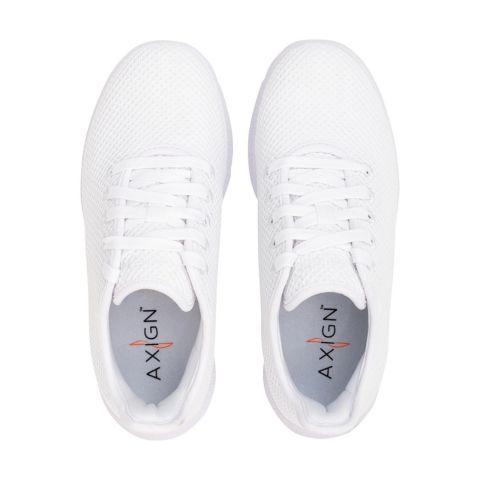
Finding the right pair of shoes isn’t just about style—it’s about protecting your joints, improving your posture, and staying comfortable throughout your day. This is where Ergonomic Comfortable Footwear becomes essential. Designed to support your natural foot shape and movement, ergonomic shoes can help reduce pain, prevent injuries, and keep your feet healthy. But with so many options available, how do you choose the right pair for your specific foot type? This guide will help you make confident, informed decisions.
Understanding What Ergonomic Comfortable Footwear Means
Before choosing the right shoes, it’s important to understand what makes Ergonomic Comfortable Footwear different from regular shoes. Ergonomic shoes are designed based on studies of human movement and biomechanics. Their goal is to support the foot’s natural alignment and reduce stress on your ankles, knees, hips, and lower back.
Key features of ergonomic footwear include:
-
Arch support that matches your foot type
-
Shock-absorbing cushioning for reduced impact
-
Stable heel support to improve balance
-
Breathable materials to prevent discomfort
-
Flexible soles that allow natural foot movement
When shoes include these elements, they not only feel comfortable but also promote long-term foot health.
Identify Your Foot Type Before Choosing Footwear
Your foot type determines the kind of support and cushioning you need. There are three main foot types:
1. Flat Feet (Low Arches)
Flat feet tend to roll inward, a condition known as overpronation. This can lead to knee pain, heel pain, and instability.
Best ergonomic footwear features for flat feet:
-
Strong arch support
-
Firm midsoles
-
Motion-control or stability design
-
Deep heel cups
Look for ergonomic shoes that prevent excessive inward rolling, helping distribute pressure evenly across the foot.
2. Neutral Feet (Normal Arches)
People with neutral arches usually have fewer foot problems, but still benefit from balanced support and cushioning.
Best ergonomic footwear features for neutral feet:
-
Moderate arch support
-
Cushioned and flexible soles
-
Lightweight materials
-
A natural or neutral footbed
Neutral feet need a balance of stability and softness, making many standard ergonomic shoes a perfect match.
3. High Arches
High-arched feet do not absorb shock efficiently, which puts pressure on the heel and ball of the foot.
Best ergonomic footwear features for high arches:
-
Soft, thick cushioning
-
Contoured arch support
-
Flexible soles
-
Extra padding at pressure points
Ergonomic comfortable footwear designed for high arches helps reduce impact and offers improved comfort during long walks or standing.
Measure Your Foot Size and Width Correctly
Choosing ergonomic footwear also requires understanding your exact measurements. A shoe that’s too tight or too loose will cause discomfort regardless of how ergonomic it is.
Tips for accurate measurement:
-
Measure your feet at the end of the day when they’re slightly swollen
-
Measure both length and width
-
Leave a thumb’s width of space at the front
-
Consider wide or extra-wide ergonomic options if needed
Many ergonomic shoe brands offer multiple width options for better customization.
Focus on the Right Ergonomic Features
Once you know your foot type and size, look for these essential features in Ergonomic Comfortable Footwear:
Shock Absorption
Cushioning in the midsole or heel reduces pressure on your joints, especially if you walk or stand for long periods.
Arch Support
This is crucial for maintaining proper body alignment. Different arch types require different levels of support.
Heel Stability
A firm heel counter keeps your foot from sliding and helps maintain balance.
Breathable Upper Materials
Mesh or natural fibers keep your feet cool and prevent moisture buildup.
Lightweight Construction
Heavy shoes can cause fatigue, especially if worn for many hours.
Flexible Outsoles
A flexible sole allows your foot to bend naturally, supporting its ergonomic movement.
Consider Your Activity Level
Different activities require different ergonomic features:
-
Walking: Look for soft cushioning and flexible soles
-
Running: Choose models with extra shock absorption
-
Work/Standing all day: Prioritize stability, arch support, and padded insoles
-
Casual wear: Lightweight ergonomic shoes may be the best choice
Matching footwear to your daily routine ensures long-lasting comfort.
Try Before You Buy
If possible, test the shoes before purchasing. Wear them for a few minutes and observe:
-
Whether your toes have enough room
-
If the arch support matches your foot
-
Whether the heel feels stable
-
If the shoe bends naturally with your foot
Ergonomic Comfortable Footwear should feel supportive immediately—no long “break-in” period required.
Final Thoughts
Selecting Ergonomic Comfortable Footwear based on your foot type is one of the best decisions you can make for your health. Whether you have flat feet, a neutral arch, or high arches, choosing footwear that supports your natural alignment will protect your joints, prevent pain, and keep you comfortable all day. Understanding your foot shape, measuring accurately, and choosing the right features ensures you’ll find a pair that fits perfectly and supports your lifestyle.

 English
 Arabic
 French
 Spanish
 Portuguese
 Turkish
 Dutch
Dutch
 Italiano
 Russian
 Romaian
 Portuguese (Brazil)
 Greek
Greek