


Why Does a Painting's Signature Matter? A Simple Guide
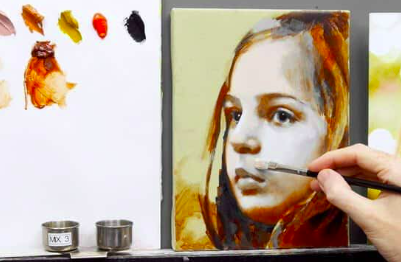
You may have noticed a small name or mark, usually in a corner of a painting. That is the artist's signature. This guide will explain why it matters, in simple words.
What Is a Painting Signature?
A signature is the artist's name, initials, or a special personal mark, added to a painting once it is finished. It is usually small and placed in a corner, though its exact location can vary.
Think of it like a personal stamp, confirming who created the artwork.
Why Do Artists Sign Their Paintings?
Artists sign their work for a few important reasons.
To claim their creation. A signature confirms that the artist made the piece and stands behind it as their own work.
To help with authenticity. A signature can support later efforts to confirm a painting is genuinely by that artist, especially when combined with other evidence like provenance.
To build recognition. Over time, a consistent signature style can become part of an artist's identity, almost like a small piece of their personal brand.
To mark completion. Signing a painting is often the final step, symbolizing that the artist considers the piece finished.
Where Is a Signature Usually Found?
Signatures are most commonly found in a bottom corner of a painting, though this can vary depending on the artist and composition. Some artists sign on the front, in a subtle spot that does not distract from the image. Others sign on the back of the canvas instead, keeping the front completely clean.
Neither approach is right or wrong. It often comes down to personal preference and how the artist wants the final piece to look.
Does Every Painting Need a Signature?
Not necessarily, but it is generally expected for finished, original work being sold. A missing signature does not automatically mean a painting is fake, but it can make future authentication more difficult. If you are buying an unsigned piece, it is worth asking the gallery or artist directly why it was left unsigned.
Signature and Authenticity
A signature alone is not enough to fully confirm authenticity, since signatures can potentially be copied or forged. This is why signatures are usually considered alongside other evidence, like provenance, documentation, and the overall quality and consistency of the artist's known technique.
If you want to understand more about confirming whether a painting is genuinely original, Ejaz Art Gallery has a helpful guide on spotting fake oil paintings. It explains several simple signs worth checking, beyond just the signature alone.
How Signatures Can Change Over an Artist's Career
Many artists' signatures evolve slightly over the years. An artist might sign differently early in their career compared to later on, once their style and confidence have developed. For serious collectors, understanding how an artist's signature has changed over time can be a small but useful piece of the authentication process.
Should You Ask About a Signature Before Buying?
Yes, it is a completely reasonable question. You can simply ask the gallery or seller whether the piece is signed, where the signature is located, and whether they can confirm it matches the artist's known signing style. A reputable seller should answer these questions clearly and without hesitation.
A Simple Example
Imagine two paintings that look almost identical. One has a small, confident signature in the corner, matching examples of the artist's known signature style. The other has no signature at all, with an unclear history. The signed piece generally offers more confidence and easier future authentication, even though both paintings might look the same to the eye.
A Simple Final Thought
A signature is a small detail, but it carries real meaning. It represents an artist's pride in their finished work, and it plays an important role in confirming a painting's history and authenticity. Next time you look at a painting, take a moment to notice the signature. It is a small but meaningful part of the artwork's story.
If you want to explore signed, original artwork in person, you can visit ejazartgallery.com. The gallery is happy to answer questions about any piece in its collection.
Frequently Asked Questions
1. Why do artists sign their paintings? It confirms who created the piece, supports future authentication, and often marks the painting as finished.
2. Does an unsigned painting mean it is fake? Not necessarily, but it can make authentication more difficult. It is worth asking the seller directly about an unsigned piece.
3. Is a signature enough to fully confirm a painting is authentic? Not on its own. Signatures are usually considered alongside other evidence, like provenance and overall technique.
4. Can an artist's signature change over time? Yes, many artists' signatures evolve slightly throughout their career, which can be a useful detail for serious collectors.
5. Is it okay to ask about a painting's signature before buying? Yes, absolutely. A reputable gallery or seller should be happy to answer questions about the signature and authenticity.

 English
 Arabic
 French
 Spanish
 Portuguese
 Deutsch
 Turkish
 Dutch
 Italiano
 Romaian
 Portuguese (Brazil)
 Greek