


Smart Tips for Keeping Wiring Safe in Humid Climates
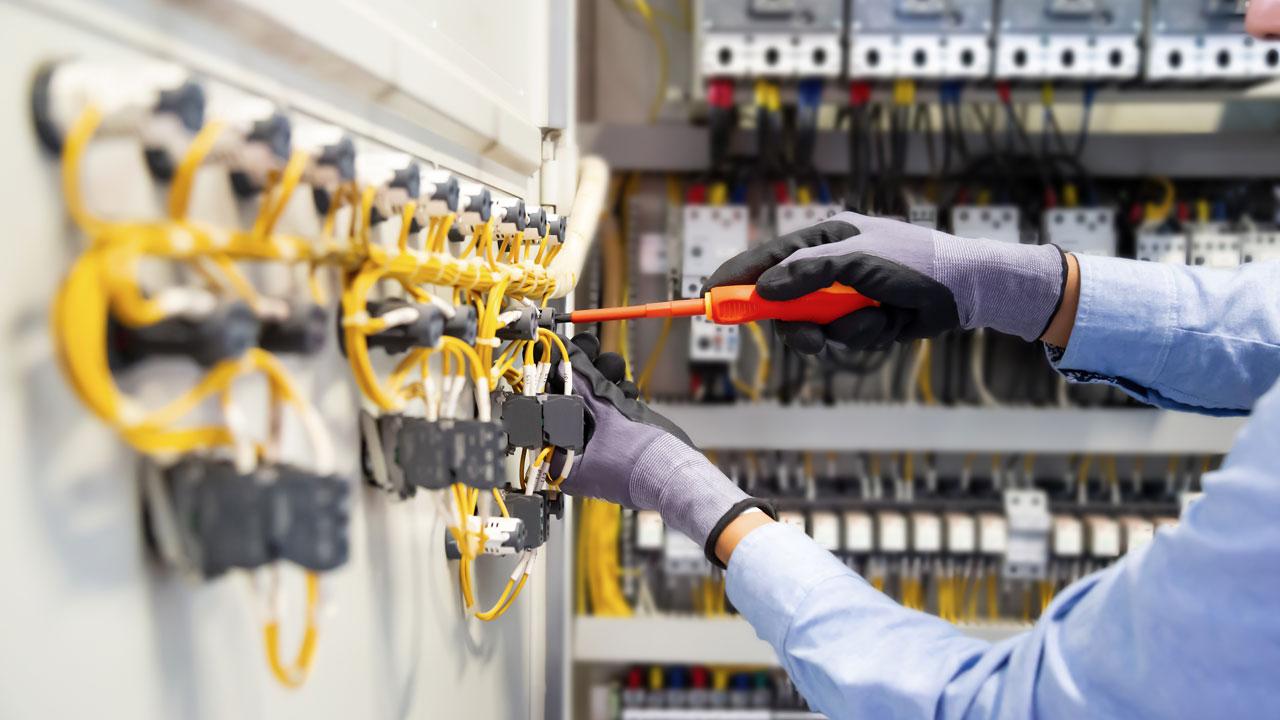
Homes in humid coastal regions often face hidden electrical challenges. Moisture in the air slowly affects wires, outlets, fixtures and panels, especially in areas where salty breezes and warm temperatures mix. Many homeowners do not notice the early signs because wiring problems develop quietly behind walls. Still, a few simple precautions can keep electrical systems safer, more durable and better prepared for daily use.
Humidity also influences how metal parts behave. Rust, corrosion and small deposits collect on connectors over time. Outlets may begin to feel warm more often, lights may flicker and appliances can respond slower than usual. These issues are not always dramatic at first, but they give clear hints that moisture is affecting the system in ways that should not be ignored.
Moisture Slowly Wearing Down Wiring Materials
Warm, damp air speeds up the aging of insulation around wires. Over the years, this protective layer becomes softer or brittle depending on temperature changes. When insulation weakens, electrical flow is not as stable as it once was. Homes in humid places often show small signs such as outlets that feel loose or switches that make faint clicking sounds before working properly.
The presence of moisture can also affect older wiring types more quickly. In some structures, the original wiring was not designed for this environment, and it may show early signs of distress compared to more modern materials. Even newer wiring systems need occasional checks because coastal humidity impacts everything at a slow but steady pace.
Corrosion Around Key Connectors
Metal connectors are essential for a strong electrical system, but they also react quickly to salty or humid air. Corrosion begins as a thin layer of discoloration and gradually becomes thicker. Once this happens, the connection cannot move electricity as cleanly as before. Homeowners may notice slower appliance performance or lights that dip in brightness from time to time.
Some areas are at higher risk, including outdoor outlets, garage wiring and panels placed near open-air spaces. Keeping these areas dry and well-ventilated can reduce early corrosion. Even simple habits like checking exterior outlets after heavy rain help prevent bigger problems later.
Extra Attention Needed at Junction Points
Inside walls, junction boxes hold the connections that keep circuits running. In humid regions, condensation sometimes forms inside these boxes. Over time, this moisture affects wire ends, metal screws and connection caps. When this happens, circuits become unstable and may trip more often.
Many homes experience occasional flickers or short outages that seem harmless. However, these small events often begin at junction points affected by moisture. Better sealing methods and upgraded materials help support stable power throughout the house.
Outdoor Fixtures Facing the Highest Exposure
Exterior lights, garden outlets, porch fixtures and poolside electrical points face more humidity than any part of the indoor system. Since these areas remain in contact with air at all times, they require covers, sturdy boxes and proper grading. If even one fixture allows water to slip inside, the wiring begins to weaken sooner than expected.
Protection improves greatly with quality covers and fixtures rated for damp or wet locations. These products block moisture more effectively and last longer in coastal air. Regular checks ensure that no cracks or loose fittings allow water to enter.
Appliances Working Harder in Humidity
Large machines such as refrigerators and air conditioners operate under extra pressure in moist climates. This increased load sends more demand through the wiring connected to these appliances. If the wiring struggles, it may heat up or affect devices in nearby rooms.
Simple preventive steps, like keeping appliance areas clean and dry, help support safer electrical flow. Good air circulation around machines also reduces strain on circuits, especially during warm weather when appliances run more often.
Panels Benefiting from Extra Care
Every home depends on its electrical panel to manage daily electrical needs. In humid climates, panels may rust more quickly, especially around screws, door hinges or small openings where air enters. Rusted parts weaken the structure and may interfere with safe breaker operation.
Panels installed in garages, basements or outdoor locations are at higher risk. Periodic cleaning, better insulation and sealing upgrades keep moisture out. These improvements support a stronger electrical system and prevent issues that could spread through the home.
A Practical Look at Professional Support
Homeowners often reach out for help when they notice repeated flickers or rising heat around outlets. Services from Electrical contractors in Newport Beach, CA become useful at this point, especially because humid coastal regions require extra care. Professionals can identify hidden moisture damage and recommend long-lasting protective upgrades that match the home's layout.
Their inspections often reveal small weaknesses long before they grow into larger electrical concerns. This becomes especially important in older homes or homes undergoing frequent seasonal weather changes.
Better Ventilation Making a Big Difference
Good air movement reduces moisture inside rooms, hallways and crawl spaces. When air stays still, humidity lingers longer against wires and outlets. Even simple improvements such as updated vents, ceiling fans or window circulation can create a healthier electrical environment.
Bathrooms, kitchens and laundry rooms benefit the most because they produce moisture naturally. Keeping these spaces ventilated helps reduce strain on the wiring connected to major appliances.
Protective Coatings and Materials Supporting Longevity
Special coatings on wires, connectors and fixtures help protect electrical systems in humid climates. These materials reduce moisture absorption and slow the spread of corrosion. Many homeowners choose upgraded options when renovating because they last longer and support stronger performance.
Even small adjustments, such as replacing old switches with modern sealed designs, improve durability. These upgrades work quietly in the background and help maintain safe daily power use.
Keeping a Close Eye on Early Signs
Humidity-related wiring issues rarely appear all at once. They show through subtle hints that many homeowners overlook.
• Outlets that feel slightly warm
• Bulbs flickering even when new
Other common clues include tripping circuits during mild weather, switches that respond slower than before and wall plates showing small discoloration patches. Noticing these signs early makes it easier to prevent costly problems and maintain safe power flow throughout the home.
Working Toward a Safer Home in Humid Weather
Moisture will always be part of life in coastal areas, but electrical systems can be strengthened with the right precautions. Safe wiring in humid climates depends on thoughtful maintenance, steady ventilation and occasional upgrades that match modern needs. When homeowners understand the small signs and take simple steps, their systems stay reliable even during changing seasonal conditions.

 English
 Arabic
 French
 Spanish
 Portuguese
 Deutsch
 Turkish
 Dutch
Dutch
 Italiano
 Russian
 Romaian
 Greek
Greek