


Foreign Body Removal: Is Professional Care Necessary?
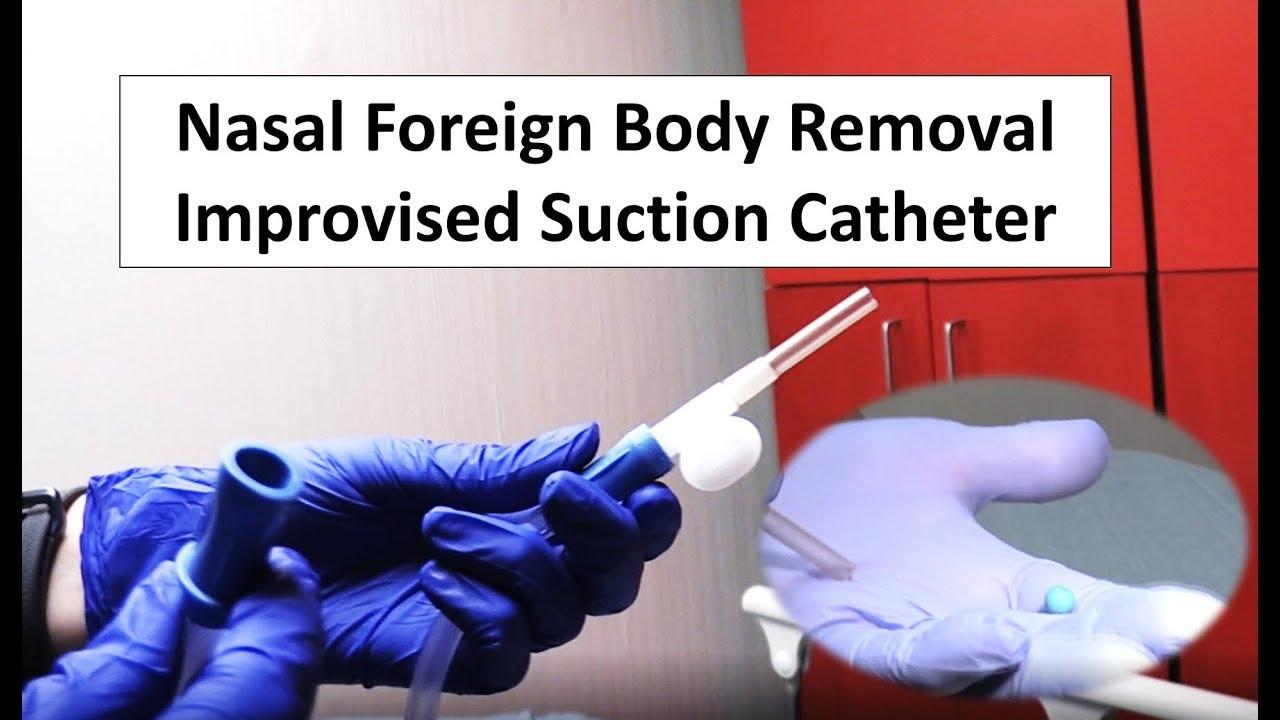
Accidents happen every day whether it’s a splinter under the skin, debris in the eye, or an object lodged in the ear or nose. While some incidents may seem minor at first, attempting to remove a foreign object without proper tools or knowledge can lead to complications. That’s why many individuals seek expert evaluation for Foreign Body Removal, especially at trusted centers like First Care Family Clinic, where timely and safe care ensures the best outcomes.
Understanding Foreign Body Removal
Foreign Body Removal refers to the careful extraction of any object that becomes lodged inside the body where it doesn’t belong. This may include:
-
Wood or metal splinters
-
Glass fragments
-
Food particles stuck in the throat
-
Insects or beads in the ear
-
Dust, sand, or eyelashes in the eye
-
Small objects inserted in the nose (common in children)
While many cases appear harmless, foreign bodies can cause pain, infection, swelling, or long term tissue damage if left untreated. This is why understanding when to seek help is crucial.
Common Areas Where Foreign Bodies Get Stuck
1. Eyes
Objects in the eye dust, debris, contact lens fragments, or metal shavings can cause intense discomfort. Rubbing the eye can worsen the situation and increase the risk of corneal scratches.
2. Ears
Children often insert beads, food items, or toys into their ears. Adults may experience foreign bodies like insects or cotton tips stuck from improper cleaning.
3. Nose
Kids frequently insert small objects like buttons, pebbles, or paper. These can block airflow, cause irritation, or even lead to infection.
4. Throat or Airway
Food particles, pills, or bones can become lodged in the throat, creating a choking hazard or making swallowing painful.
5. Skin and Soft Tissue
Splinters, glass pieces, fishing hooks, and metal fragments commonly penetrate the skin.
Each location requires a different approach and specialized tools another reason to rely on professional care.
Is Professional Care Really Necessary?
Many people initially try home remedies, such as tweezers, cotton swabs, or flushing with water. While some minor cases may resolve at home, many others pose risks if managed incorrectly. Professional Foreign Body Removal ensures:
Accurate Identification of the Object
Healthcare professionals use magnification tools, lights, imaging (if needed), and sterile instruments for precise identification and removal.
Lower Risk of Infection
Trying to remove objects without proper technique or sanitization can introduce bacteria, leading to infection.
Prevention of Further Injury
Mistakenly pushing the object deeper, scratching tissue, or causing bleeding are common outcomes of DIY removal attempts.
Safe and Sterile Environment
Clinics maintain sterile conditions, reducing complications and ensuring faster healing.
Post Removal Care
Professionals provide wound care, antibiotic recommendations, and follow up instructions to support healing.
Some foreign bodies especially those in sensitive areas like the eyes and nose should never be handled at home.
When You Should Seek Immediate Medical Care
You should visit a healthcare provider promptly if you notice:
-
Persistent pain or discomfort
-
Bleeding that doesn’t stop
-
Difficulty seeing, hearing, or breathing
-
Signs of infection: redness, pus, swelling
-
A foreign body that is deeply embedded
-
An object that won’t move using safe flushing techniques
-
A child with any object in the nose or ear
Some objects, like sharp metal fragments, glass, or embedded fish hooks, require expert handling due to the risk of further injury.
How Professionals Perform Foreign Body Removal
Clinics follow a structured, safe, and effective process:
1. Evaluation
A medical provider examines the area, notes symptoms, and may ask how the incident happened. For deeper objects, imaging such as X rays may be required.
2. Preparation
The area is cleaned and sterilized. Local anesthesia may be used for comfort, especially for children or sensitive areas like the eye.
3. Removal Techniques
Depending on the object, clinicians may use:
-
Irrigation with sterile saline
-
Forceps, suction, or specialized tweezers
-
Magnetized tools for metal fragments
-
Ear or nose extraction devices
-
Eye irrigation systems
-
Minor surgical techniques for embedded objects
4. Post Removal Monitoring
After removal, providers check for tissue damage, infection risks, or residual fragments.
5. Aftercare Instructions
Patients receive guidance on wound care, pain management, and warning signs to watch for.
Can Foreign Body Removal Prevent Long Term Complications?
Absolutely. Delaying proper removal can lead to:
-
Persistent irritation or pain
-
Tissue injury
-
Deep infection or abscess
-
Scarring
-
Loss of function in severe cases (e.g., vision impairment)
Early medical intervention minimizes these risks and promotes quick recovery.
Why Choose Professional Care?
Trusting trained professionals ensures safety, accuracy, and peace of mind. Medical teams are equipped with the right tools and knowledge to address a wide range of foreign body situations quickly and safely.
Conclusion
Foreign bodies may seem minor at first, but improper removal can cause unnecessary complications. By choosing professional Foreign Body Removal, you protect your health, prevent infection, and ensure the safest possible outcome. For reliable and expert care, First Care Family Clinic provides compassionate and skilled services to help you recover quickly and safely whenever unexpected mishaps occur.
FAQs
1. Can I remove a foreign body at home?
Small, superficial splinters may be removed safely, but objects in the eye, ear, throat, or nose should always be handled by a professional.
2. What if an object is stuck in my child’s ear or nose?
Do not attempt to remove it at home. Visit a medical provider immediately to avoid pushing it deeper or causing injury.
3. How long does a foreign body removal procedure take?
Most cases take just a few minutes, depending on the location and depth of the object.
4. Will it hurt?
Clinicians often use local anesthesia to minimize pain, especially for sensitive areas.
5. What happens if a foreign body is left untreated?
It may cause infection, tissue damage, or long term complications depending on location.
6. Do I need antibiotics after removal?
Not always. Providers recommend antibiotics only if there’s a high infection risk or tissue injury.

 English
 Arabic
 French
 Spanish
 Portuguese
 Deutsch
 Turkish
 Dutch
Dutch
 Italiano
 Romaian
 Portuguese (Brazil)
 Greek
Greek