


How to Know if Your Car Is Worth More as Scrap or Resale
Every car owner faces this moment at some stage. A vehicle that once ran well starts to age. Repairs begin to appear more often. Running costs slowly rise. At that point, many people ask a simple question. Is it better to sell the car for resale, or let it go as scrap. The correct answer depends on facts, not guesses. This guide breaks down every factor that shapes this choice so you can decide with clarity.
Understanding the Basic Difference
A resale car is one that still holds road value. It can be driven, repaired at a fair cost, and sold to another road user.
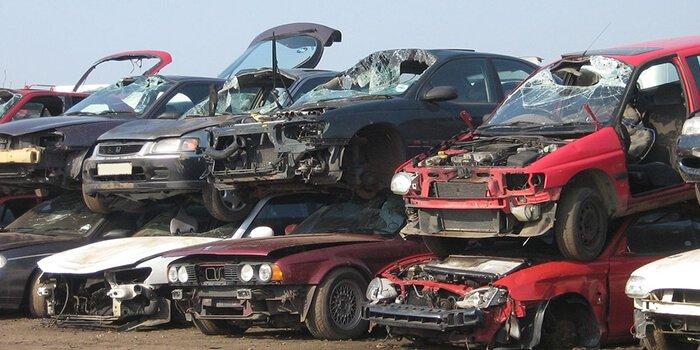
A scrap car is sold for metal weight and reusable parts. These vehicles often no longer meet road standards or require repairs that cost more than the vehicle itself is worth.
Knowing which category your car fits into is the first step.
Vehicle Age and Its Effect on Value
Age plays a direct role in resale potential. In most parts of Australia, vehicles that sit between three and seven years old hold steady buyer interest. People remain willing to pay for these vehicles because they still offer years of usable life.
Once a vehicle moves beyond ten years, resale value begins to drop at a faster rate. Buyers grow cautious. Service history becomes more important. Parts replacement becomes more frequent.
Cars that reach fifteen years or more often lose most resale appeal unless they remain in rare shape. At that point, scrap value may rise above resale value due to metal weight and parts demand.
Kilometres on the Odometer
Mileage tells the real story of wear. Vehicles under 150,000 kilometres often remain attractive in the resale market. Once a car passes 200,000 kilometres, resale interest begins to soften.
Higher kilometres suggest increased wear on the engine, suspension, fuel system, and gearbox. Even if the car still runs, buyers often offer lower amounts to allow room for future repairs.
Scrap buyers place no weight on kilometre readings. A vehicle with very high mileage may still hold strong scrap worth due to its steel body and internal components.
Registration and Roadworthy Status
A registered vehicle with a roadworthy certificate usually holds higher resale strength. Buyers prefer a car that can be driven away without extra steps.
An unregistered vehicle often loses resale power. The buyer must pay inspection fees, complete paperwork, and allow time before legal road use.
Once registration expires for long periods, many owners move toward scrap disposal due to the cost of re-certification.
Mechanical Condition and Repair Costs
This is often the turning point in the decision.
Minor repairs such as tyres, batteries, belts, or brake pads keep resale potential alive. These costs often stay below the return gained from resale.
Major repairs such as engine failure, gearbox failure, cooling system collapse, or structural suspension damage change the equation. These repairs often cross into four-figure amounts.
A common rule across Australian workshops is that when repairs cross half the realistic resale estimate, scrap becomes the stronger financial option.
Body Damage and Structural Health
Paint damage, minor dents, and cosmetic wear lower resale value but rarely remove resale potential.
Severe panel damage, bent chassis points, and airbag deployment directly weaken resale strength. Structural safety affects buyer trust in a major way.
Scrap evaluation focuses mainly on metal weight and parts recovery. Heavy body damage does not remove scrap worth unless metal contamination has occurred.
Make, Model, and Market Demand
Not all vehicles lose value in the same way.
Vehicles from high-volume brands remain active in the resale market for longer periods. Parts remain easy to source and repair costs remain moderate.
Luxury vehicles often lose resale strength at a quicker pace after the warranty period ends. Repair and service costs often reduce buyer interest after the early years.
Work vehicles such as utes and vans often hold resale interest longer due to trade use and heavy demand in regional areas.
Once resale demand fades, scrap becomes the natural exit point.
Fuel Type and Engine Size
Fuel choice shapes buyer behaviour.
Petrol vehicles maintain the widest resale audience in many regions. Hybrid vehicles attract buyers focused on lower fuel use.
Diesel vehicles attract buyers needing towing or long highway travel but face higher service costs in later years.
Large engines often attract lower resale offers as running costs rise. Smaller engines often hold broader buyer appeal.
For scrap value, engine size contributes directly to metal weight. Heavier engines often mean higher scrap returns.
Interior Wear and Safety Features
Interior condition influences resale trust. Torn seats, cracked dashboards, broken screens, and missing trims reduce buyer interest.
Working airbags, traction control, and braking support add confidence for resale buyers.
Scrap buyers rarely place focus on interior wear. Their main goal remains metal recovery and salvage parts.
Scrap Metal Prices Across Australia
Scrap value shifts with metal market movement. Vehicle bodies contain large volumes of steel along with aluminium components and copper wiring.
Steel remains the primary contributor to scrap payment. When global steel demand rises, scrap vehicle offers often rise with it. When demand drops, returns soften.
Battery units, catalytic converters, and alloy parts can also influence total scrap payout.
Time and Selling Effort
Resale involves time. Listings must be created. Enquiries must be answered. Inspections must be arranged. Some cars sell quickly. Others remain listed for months with repeated price cuts.
Scrap disposal often requires far less effort. Once the vehicle details are assessed, removal and payment usually follow without long waiting periods.
This time difference plays a large role for owners who need to clear space or reduce registration costs.
Environmental Handling and Recycling Rules
Australia operates under strict vehicle recycling controls. Scrap yards must drain fluids, remove batteries, and separate hazardous materials before metal processing.
Steel from scrap vehicles is reused in building projects, machinery production, and transport equipment. One recycled car body can return usable steel into the production chain rather than landfill.
While this aspect does not raise personal profit directly, it supports responsible material use.
Where Unwanted Cars Often Fit in the Market
Vehicles that remain unused on driveways, farm land, or industrial yards often fall into the scrap category. Long-term exposure causes electrical faults, rust spread, tyre cracking, and cabin damage.
For many owners in urban regions, unwanted disposal becomes the only path forward. In such cases, services linked to unwanted car removal sydney exist to clear vehicles that no longer hold resale strength.
A Practical Side-by-Side Guide
Resale is usually the better option when:
-
The vehicle starts and drives without major faults
-
Registration remains current
-
Kilometres sit below heavy wear ranges
-
Repair costs stay moderate
-
Interior and body remain in usable shape
-
Market demand remains active
Scrap becomes the stronger option when:
-
The vehicle does not start
-
Engine or gearbox failure exists
-
Structural damage is present
-
Registration lapsed long ago
-
The vehicle sat unused for years
-
Repair costs exceed resale value
How to Calculate the Smarter Choice
Start with clear numbers:
-
Check real resale listings for similar vehicles
-
Calculate all required repairs
-
Add inspection and registration costs
-
Include towing and storage costs
-
Compare this total against current scrap offers
If the resale figure after all costs remains higher than scrap value, resale remains logical. If scrap value comes out higher after costs, scrap becomes the sensible choice.
Mistakes That Often Reduce Returns
Many owners delay acting after mechanical failure. During long delays, moisture damages wiring, interior mould grows, tyres lose shape, and rust spreads into load-bearing areas. These changes reduce both resale and scrap return.
Another common mistake is overpricing during resale. Vehicles remain listed for months, slowly losing buyer interest while registration runs out.
Final Thoughts on Scrap or Resale
Every vehicle reaches a point where resale no longer matches reality. Some reach that point at ten years. Others reach it at twenty. The deciding factor is not age alone. It is condition, demand, and repair cost working together.
By reviewing kilometres, registration, mechanical state, market demand, and current metal rates, the decision becomes clear. It stops being guesswork and becomes a sound financial call.
A vehicle should either serve another owner or return its material value back into use. Once that balance is understood, choosing between scrap and resale becomes far easier.

 English
 French
 Spanish
 Portuguese
 Deutsch
 Turkish
 Dutch
Dutch
 Italiano
 Russian
 Romaian
 Portuguese (Brazil)
 Greek
Greek