


AI Detector: The Smart Shield for the Digital Age
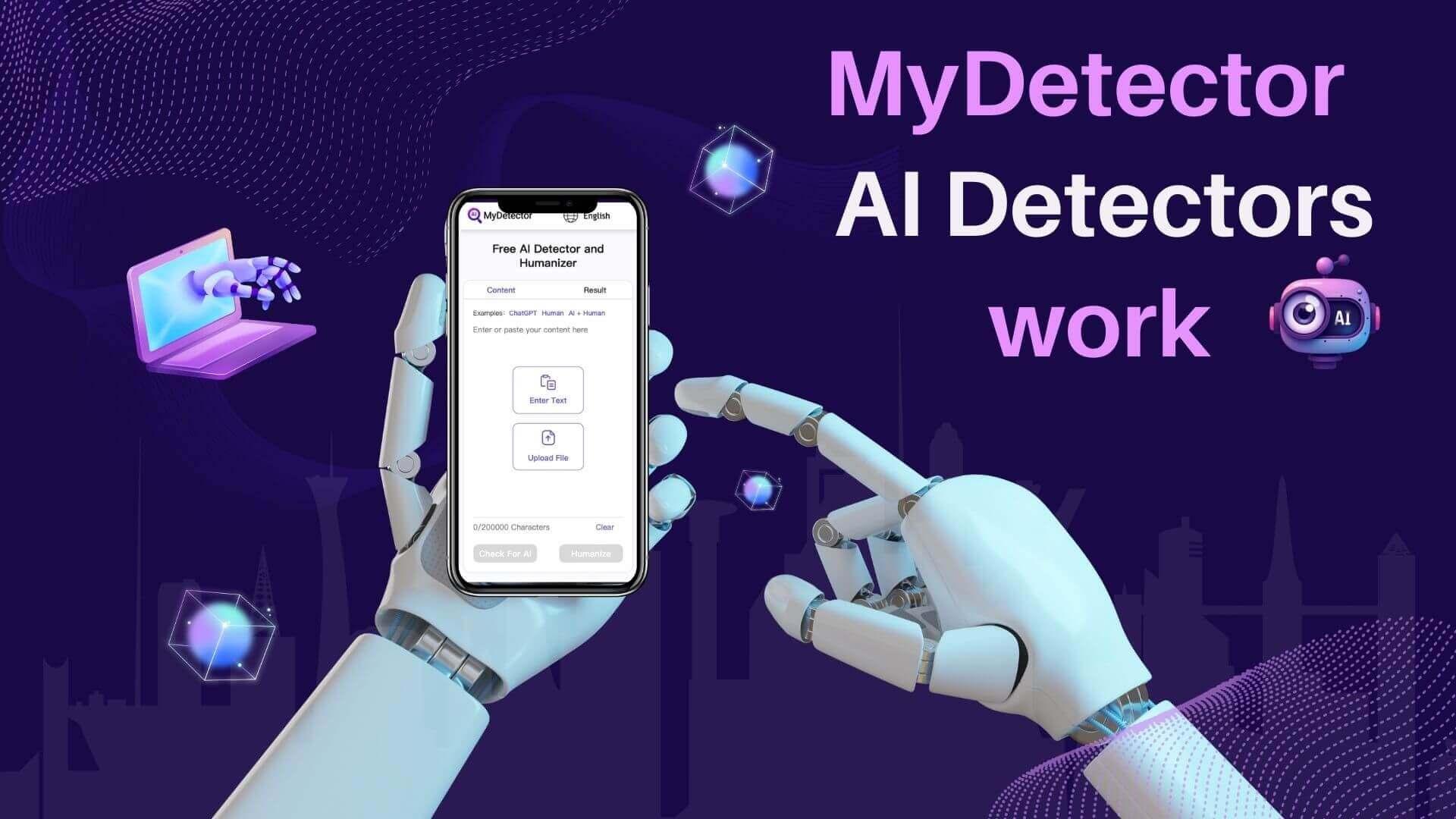
In today’s fast-paced digital era, artificial intelligence has seamlessly integrated into nearly every corner of our lives. From content creation to data analysis, AI is reshaping how we communicate, work, and even think. But as this technology becomes increasingly sophisticated, distinguishing between human-generated and AI-generated content has become more challenging than ever. This is where an AI detector steps in—a powerful tool designed to uncover the hidden fingerprints of artificial intelligence in written, visual, and audio materials.
Understanding What an AI Detector Is
An AI detector is a specialized software or algorithm built to identify whether a piece of content was created by a human or by an AI model. It operates by analyzing patterns in language, sentence structure, tone, and even the rhythm of writing. While human writing often contains emotional cues, minor inconsistencies, and creative spontaneity, AI-generated text tends to follow logical and repetitive patterns. AI detectors pick up on these subtle differences to determine the source with remarkable accuracy.
These detectors are not limited to text alone—they can also analyze images, voice recordings, and videos. For instance, in the age of deepfakes and AI-generated art, visual AI detectors play a crucial role in identifying manipulated or synthetic media.
Why AI Detection Matters
The explosion of generative AI has created both opportunities and challenges. On one hand, AI enables rapid content creation, automates tasks, and boosts productivity. On the other, it blurs the line between authenticity and fabrication. The rise of AI detector technology is, therefore, not just a technical necessity—it’s a moral and societal safeguard.
In academia, AI detectors help educators verify whether essays or research papers are genuinely student-written. In journalism, they ensure that news remains authentic and free from AI-driven misinformation. In the corporate world, companies use these tools to validate the originality of marketing copy, reports, and proposals. Without detectors, the integrity of content in these areas could easily be compromised.
How an AI Detector Works
Behind every effective AI detector lies a complex web of machine learning algorithms trained to recognize AI-generated traits. These systems are fed vast amounts of both human-written and AI-written text. By comparing and contrasting the two, they learn to detect telltale signs of artificial creation.
Key elements analyzed by an AI detector include:
-
Perplexity and Burstiness – These metrics evaluate how predictable or varied a text is. AI content tends to have consistent, even pacing, while human writing shows natural fluctuations.
-
Repetitive Patterns – AI often repeats words or sentence structures in ways humans rarely do.
-
Contextual Understanding – Detectors assess whether sentences connect naturally or if transitions feel algorithmically generated.
-
Word Choice and Tone – A machine might use overly formal language or lack emotional depth, clues that detectors can easily flag.
Through these methods, AI detectors can often reveal whether a piece of content was written by a human or an artificial intelligence with impressive precision.
Applications of AI Detection
The versatility of AI detectors spans across multiple fields:
-
Education: Teachers and institutions use AI detection tools to maintain academic honesty, ensuring essays and reports are the result of genuine student effort.
-
Publishing: Editors and content creators rely on AI detectors to verify the originality of submitted manuscripts, avoiding plagiarism or automated writing.
-
Business and Marketing: Brands use detectors to ensure their campaigns are built on authentic messaging rather than repetitive AI output.
-
Cybersecurity: AI detectors can identify fake profiles, spam emails, or fraudulent online activity generated by AI bots.
In short, these tools serve as digital gatekeepers—protecting authenticity and trust in an age dominated by automation.
The Limitations and Challenges
Despite their advanced capabilities, AI detectors are not flawless. As AI models evolve, their writing becomes more “human-like,” making detection increasingly difficult. Moreover, some human-written texts—especially those that are highly structured or technical—can occasionally be misclassified as AI-generated. This balance between sensitivity and accuracy remains a challenge for developers.
Ethical concerns also emerge. Should we always track and label AI-generated content? Could detection tools invade privacy or stifle creativity? These are vital questions that society must consider as AI technology continues to evolve.
The Future of AI Detectors
The future of AI detector technology lies in constant adaptation. As AI language models become more sophisticated, detection tools will evolve alongside them. We may soon see detectors that not only identify AI-generated content but also determine which model created it and how it was trained.
Additionally, integrating blockchain and watermarking technologies could make it easier to trace content back to its origin, ensuring transparency in the digital world. Governments, educators, and corporations are already exploring how these tools can become part of broader ethical AI frameworks.
Final Thoughts
The rise of artificial intelligence has revolutionized creativity and communication—but it has also made authenticity harder to verify. An AI detector acts as a digital truth-teller, ensuring that the human voice continues to be recognized and valued amidst the noise of automation.
In a world where AI and human ingenuity coexist, the real challenge is not to reject artificial intelligence, but to use it responsibly. With the help of powerful AI detectors, we can preserve integrity, encourage creativity, and maintain trust in the content that shapes our digital future.
For More Blogs: Click Here

 English
 Arabic
 French
 Spanish
 Portuguese
 Deutsch
 Turkish
 Dutch
Dutch
 Italiano
 Russian
 Portuguese (Brazil)
 Greek
Greek