


Water Softener for Home: A Complete Guide to Better Water Quality
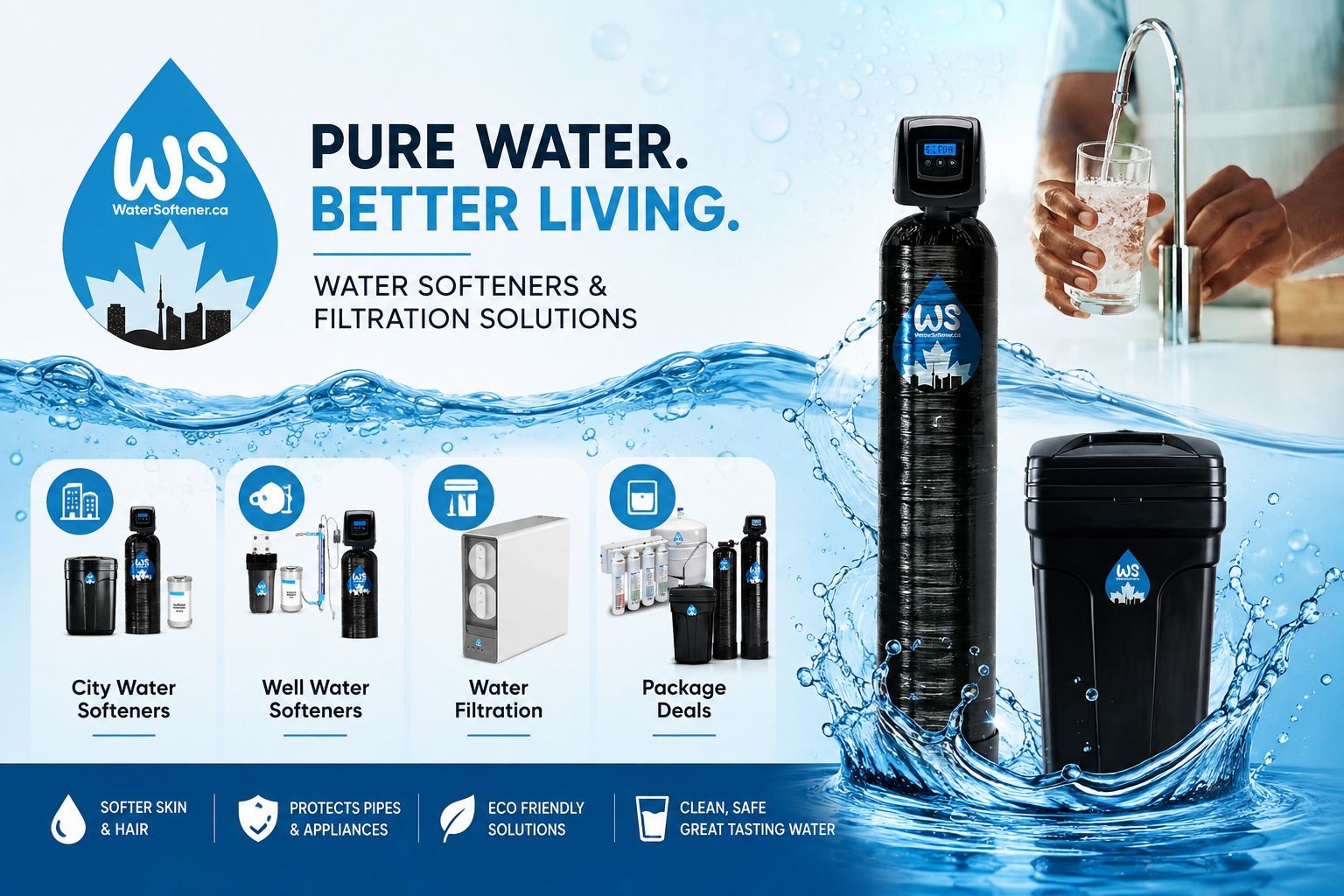
Hard water is a common concern for many households, particularly in areas where the local water supply contains elevated levels of calcium and magnesium. Although hard water is generally not considered dangerous for most people, it can create ongoing problems for plumbing systems, appliances, bathrooms, kitchens, and everyday cleaning. Mineral deposits can gradually build up inside pipes and fixtures, while soap and shampoo may become more difficult to rinse away. For homeowners dealing with these challenges, working with a professional Water Softener Installer can provide a practical way to improve household water quality and protect plumbing equipment.
A properly installed water softener is designed to reduce the minerals responsible for water hardness before the water reaches different areas of a property. The installation process requires more than simply connecting a softener to a water line. The system needs to be correctly sized, positioned, connected, configured, and tested to ensure reliable operation. Water Softener Canada helps homeowners understand their water treatment options and the importance of professional installation when choosing a system for their property.
Understanding Hard Water in Canadian Homes
Hard water occurs naturally when groundwater passes through mineral-rich rock and soil. During this process, minerals such as calcium and magnesium can dissolve into the water supply. The concentration of these minerals determines the hardness level of the water. While hard water can vary significantly between regions, households may notice its effects through white residue on faucets, cloudy shower doors, mineral buildup around sinks, and reduced performance from certain appliances.
The effects of hard water can become more noticeable over time. A small amount of mineral residue may seem insignificant initially, but repeated exposure can result in scale accumulation. This can affect water heaters, washing machines, dishwashers, showerheads, faucets, and internal plumbing components. A professionally installed water softener can help manage the mineral content and reduce the formation of scale throughout the home's water system.
Why Professional Water Softener Installation Matters
Choosing the right water softener is only part of the process. Correct installation is equally important because a water treatment system needs to integrate properly with the property's existing plumbing. An experienced Water Softener Installer can evaluate the available plumbing connections, determine the appropriate installation location, and make sure the system is configured according to the manufacturer's requirements.
Improper installation may lead to leaks, poor water flow, inefficient regeneration, drainage problems, or inconsistent system performance. A professional approach helps minimize these risks and allows homeowners to get more dependable results from their investment.
Professional installation can also make the system easier to maintain. When connections, valves, bypass mechanisms, and drainage lines are installed correctly, future servicing can generally be completed more efficiently. This can be particularly useful for homeowners who want a water treatment system that remains reliable over the long term.
How a Water Softener Works
Most traditional water softeners use an ion exchange process to reduce hardness minerals in water. The system contains resin beads that attract calcium and magnesium ions as hard water passes through the treatment tank. In exchange, sodium or another ion is released into the water. The treated water then continues through the home's plumbing system with a lower concentration of hardness minerals.
Over time, the resin becomes saturated with the minerals it has collected. The system then performs a regeneration cycle to restore the resin's ability to treat incoming water. During regeneration, a brine solution is typically used to remove accumulated minerals from the resin. The system subsequently rinses itself before returning to normal operation.
Understanding this process helps homeowners appreciate why proper installation and programming are important. The softener must be connected to the incoming water supply and configured according to the household's water usage and hardness level. Water Softener Canada can help homeowners better understand how different water softening solutions work and what factors should be considered before installation.
Choosing the Right Water Softener for Your Property
Every household has different water requirements. The number of people living in the home, daily water consumption, incoming water hardness, plumbing configuration, and available installation space can all influence the appropriate system size.
A water softener that is too small may need to regenerate more frequently, while an unnecessarily large system may not provide the most efficient solution for the property's actual requirements. This is why professional assessment can be valuable before purchasing a system.
Homeowners should also consider the system's regeneration method, control settings, resin capacity, water efficiency, and maintenance requirements. Modern water softeners are available with different control technologies, allowing homeowners to select systems designed around household water consumption rather than relying solely on fixed regeneration schedules.
Signs That Your Home May Need a Water Softener
Many homeowners first recognize hard water through visible changes around the house. White or chalky deposits around faucets and shower fixtures are common signs of mineral accumulation. Glassware may develop cloudy spots after washing, and bathroom surfaces may require frequent cleaning because of scale deposits.
Another noticeable issue can be reduced soap performance. Hard water reacts with soap and can make it more difficult to create a rich lather. Some people may notice that their skin feels dry or that their hair feels less smooth after washing. While these experiences can have multiple causes, hard water is one factor that may contribute to the overall experience of bathing and cleaning.
Appliances can also reveal the effects of hard water. Water heaters, dishwashers, washing machines, and coffee-making equipment that use water regularly may experience mineral accumulation. Over time, scale can interfere with heating efficiency and internal components.
When several of these signs occur together, homeowners may benefit from having their water hardness tested and discussing suitable treatment options with a qualified professional.
Benefits of Installing a Water Softener
A properly selected and installed water softener can provide several practical benefits throughout a home. Reducing hardness minerals can help minimize scale formation in plumbing fixtures and water-using appliances. This may make routine cleaning easier because there is less mineral residue left behind on surfaces.
Softened water can also improve the way soaps and detergents perform. With fewer hardness minerals interfering with cleaning products, homeowners may find that washing dishes, clothes, and bathroom surfaces becomes more convenient.
Another important benefit is the potential protection of plumbing equipment. Mineral scale can accumulate inside pipes and appliances, particularly in systems that regularly heat water. Managing water hardness can help reduce this buildup and support the long-term operation of water-using equipment.
The exact results depend on the property's water conditions, the severity of hardness, the type of softener installed, and how well the system is maintained.
The Importance of Water Hardness Testing
Before installing a water softener, understanding the property's water quality is important. Water hardness testing provides useful information about the concentration of calcium and magnesium in the water. This information can help determine the treatment capacity required for the household.
Testing may also help identify whether hardness is actually the primary water quality concern. In some homes, other issues such as iron, sediment, unpleasant odors, or specific contaminants may also need to be considered. A water softener is designed primarily to address hardness and should not automatically be treated as a complete water filtration solution.
A professional assessment can therefore provide a clearer picture of the property's water treatment needs. Water Softener Canada focuses on helping homeowners understand these considerations so they can make informed decisions about residential water treatment.
Where Should a Water Softener Be Installed?
The location of a water softener can influence accessibility, plumbing connections, drainage, and overall system performance. In many properties, installation takes place near the main water entry point or another suitable section of the plumbing system.
The installation area generally needs adequate space for the treatment tank, brine tank, control equipment, plumbing connections, and future maintenance. The system also requires appropriate access to drainage and, depending on the model, a suitable electrical connection.
An experienced Water Softener Installer can evaluate the available space and determine a practical location that allows the system to operate properly while remaining accessible for servicing and maintenance.
Water Softener Installation and Existing Plumbing
Installing a water softener often involves modifying the existing plumbing so that incoming water can pass through the treatment system before reaching the household's fixtures. A bypass arrangement is also commonly included so that the water softener can be isolated when maintenance or servicing is required.
The installer must pay attention to pipe sizing, connection points, flow direction, shut-off valves, and drainage requirements. These details may appear straightforward, but mistakes can affect water pressure, system performance, or the reliability of the plumbing connections.
Professional installation can help ensure that the softener becomes an integrated part of the home's water system rather than simply functioning as an independent appliance connected to the plumbing.
Maintaining Your Water Softener
Regular maintenance is an important part of keeping a water softener operating effectively. Homeowners should understand the maintenance requirements of their specific system because different models can have different servicing needs.
Salt-based systems require appropriate salt levels for regeneration. The brine tank should be monitored, and excessive salt buildup or bridging should be addressed when necessary. The control settings should also match the household's water usage and hardness conditions.
Periodic inspection can help identify issues such as leaks, unusual noises, incorrect regeneration cycles, or changes in water quality. If a system stops performing as expected, professional servicing may be necessary.
Good maintenance practices can extend the useful life of the equipment and help maintain consistent water treatment performance.
Water Softener Installation for New and Existing Homes
A water softener can be installed in both newly constructed homes and existing properties, although the installation process may differ. New construction can sometimes provide more flexibility because plumbing layouts can be planned around the water treatment system from the beginning.
Existing homes may require additional plumbing adjustments depending on the location of the main water line and the available installation space. Older plumbing systems may also require careful evaluation before new treatment equipment is connected.
A professional Water Softener Installer can assess the existing setup and identify the plumbing requirements before beginning the installation. This approach can help prevent unexpected complications during the project.
Improving Everyday Water Quality
The purpose of residential water softening is not simply to create water that feels different. It is primarily about managing the mineral content responsible for hardness and reducing the problems associated with mineral scale.
For homeowners, the practical difference may be noticeable in several areas of daily life. Faucets and shower fixtures can be easier to keep clean, glassware may show fewer mineral spots, and soap can perform differently during bathing and cleaning. Water-using appliances can also benefit from reduced exposure to hardness minerals.
These improvements can make water management more convenient while supporting the condition of household plumbing and equipment.
Why Work With Water Softener Canada?
Selecting a water treatment system is an important decision because the right solution depends on the property's water conditions and household requirements. Water Softener Canada provides information and solutions for homeowners looking to better understand residential water softening and installation.
A professional approach focuses on the complete process, from understanding water hardness and selecting an appropriate system to installing the equipment correctly and explaining ongoing maintenance. This helps homeowners avoid choosing a system based solely on price or appearance without considering whether it is suitable for their actual water requirements.
When homeowners work with a knowledgeable Water Softener Installer, they can also gain a better understanding of how the system connects to their plumbing, how regeneration works, and what maintenance will be required in the future.
Long-Term Value of Professional Water Treatment
A water softener represents an investment in the home's water system. While the immediate goal is to reduce hardness, the long-term value can involve easier cleaning, improved soap performance, reduced scale accumulation, and better protection for water-using equipment.
The effectiveness of any system depends on proper sizing, installation, programming, water conditions, and maintenance. This is why professional guidance can be useful for homeowners who are unfamiliar with water treatment equipment.
Instead of selecting a system without understanding the property's needs, homeowners can first evaluate their water hardness and plumbing configuration. A properly planned installation can provide a more reliable foundation for long-term water treatment.
Finding a Reliable Water Softener Installer
When searching for a Water Softener Installer, homeowners should consider experience, installation knowledge, product compatibility, and understanding of local residential plumbing requirements. A reliable installer should be able to explain the proposed system clearly and answer questions about installation, maintenance, regeneration, and ongoing operation.
Clear communication is especially important because homeowners need to understand what they are purchasing and how the system will operate after installation. Professional workmanship can also help reduce the possibility of plumbing leaks or configuration problems.
Choosing a suitable installer is therefore an important part of the overall water softening process. The system itself is only one component of a successful water treatment solution; proper installation and ongoing care are equally important.
Conclusion
Hard water can affect many parts of a home, from faucets and shower fixtures to plumbing systems and water-using appliances. Although the effects may develop gradually, mineral scale can become a persistent maintenance concern when water hardness is high. Installing an appropriately sized water softener can help reduce hardness minerals and provide a more convenient household water experience.
Working with a professional Water Softener Installer ensures that the system is correctly connected, configured, and tested according to the property's requirements. From water hardness assessment and system selection to installation and maintenance, each stage contributes to reliable performance.
For homeowners exploring residential water treatment solutions, Water Softener Canada provides a valuable resource for understanding water softening, professional installation, and the practical benefits of managing hard water. With the right system and proper installation, homeowners can take a proactive approach to improving water quality while supporting their plumbing and water-using appliances for years to come.

 Arabic
 French
 Spanish
 Portuguese
 Deutsch
 Turkish
 Dutch
 Italiano
 Russian
 Romaian
 Portuguese (Brazil)
 Greek