


Liposuction in Dubai: Is the Procedure Safe?
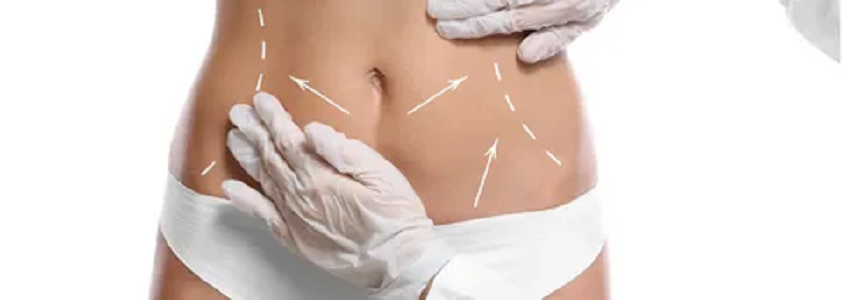
Safety is the most reasonable concern any patient brings to a surgical consultation. Questions about anesthesia, complications, facility standards, and surgeon qualifications are not signs of doubt — they are signs of good judgment. This article examines what makes liposuction in Dubai safe when performed appropriately, where the genuine risks lie, and how safety is maintained throughout the patient journey. No procedure is entirely without risk, but understanding those risks is the first step toward making a sound decision.
Liposuction in Dubai: What Safety Actually Means
Safety in surgery is not a single guarantee — it is a system of overlapping safeguards. These include appropriate patient selection, qualified surgical training, accredited facilities, standardized anesthesia protocols, sterile technique, and structured aftercare.
When all of these elements are in place, the risk profile of the procedure is generally well understood and manageable. When any element is compromised — for example, an unqualified practitioner, a substandard facility, or inadequate patient screening — risk increases substantially.
In other words, safety is less about the procedure itself and more about how, where, and by whom it is performed.
Liposuction in Dubai: Common Risks and How They Are Managed
Every surgical procedure carries some degree of risk. The most frequently discussed concerns include:
-
Infection — reduced through sterile technique, prophylactic antibiotics where indicated, and proper wound care
-
Bleeding or hematoma — minimized through careful technique and, in tumescent approaches, the use of fluid infiltration
-
Seroma (fluid accumulation) — managed with drainage or aspiration if it occurs
-
Contour irregularities — influenced by technique, volume removed, and skin elasticity
-
Anesthesia reactions — addressed through pre-operative assessment and monitoring by qualified anesthesia providers
-
Fat embolism — a rare but serious complication that underscores the importance of trained surgical handling
Serious complications are uncommon in appropriately selected patients treated in accredited settings, but they are not impossible. Responsible clinicians discuss these possibilities openly rather than dismissing them.
Liposuction in Dubai: The Importance of Patient Selection
Many safety problems begin before the first incision. Poor patient selection is one of the most significant and preventable risk factors.
Patients with uncontrolled medical conditions, significant obesity, or unrealistic expectations may face higher risks that outweigh potential benefits. This is why a thorough pre-operative assessment is not optional — it is a core safety mechanism.
What patients often do not realize is that a clinician's willingness to decline or delay treatment can be a sign of good practice rather than poor service. Safety sometimes means saying no.
Facility Standards and Anesthesia Safety
The environment where the procedure is performed matters enormously. Accredited surgical facilities maintain:
-
Sterile operating environments with proper ventilation and equipment
-
Monitoring systems for anesthesia and vital signs
-
Emergency protocols and resuscitation equipment
-
Trained support staff, including anesthesia providers and nurses
-
Clear protocols for managing complications should they arise
Anesthesia safety deserves particular attention. The type of anesthesia used — local, regional, or general — depends on the scope of the procedure and the patient's health. Qualified anesthesia providers assess fitness, monitor throughout, and manage recovery.
Surgeon Qualifications: What to Verify
The single most influential factor in safety is the surgeon's training and experience. Patients should feel entitled to ask about:
-
Formal surgical training and board certification
-
Experience with the specific procedure and treatment area
-
Volume of cases performed and complication history
-
Hospital privileges and professional affiliations
Vague answers or reluctance to discuss credentials should be treated as a warning sign. Transparency is a reasonable expectation.
Aftercare and Its Role in Safety
Safety does not end when the patient leaves the operating room. Post-operative care — compression garments, wound monitoring, follow-up appointments, and activity guidance — directly influences recovery and complication rates.
Patients who follow aftercare instructions carefully tend to experience smoother healing. Ignoring guidance on activity restriction or garment use can increase the risk of poor contouring or delayed recovery.
At Tajmeels Clinic in Dubai, safety protocols extend through consultation, treatment, and follow-up, with an emphasis on informed consent and realistic planning.
Recognizing When to Seek Urgent Care
Patients should be given clear instructions about warning signs that require immediate attention. These may include:
-
Severe or worsening pain
-
High fever or chills
-
Excessive bleeding or drainage
-
Shortness of breath or chest pain
-
Signs of infection at incision sites
Knowing these signs in advance helps patients respond quickly rather than waiting for a scheduled follow-up.
Conclusion
Safety in liposuction is not an accident — it is the product of careful patient selection, qualified surgical care, accredited facilities, and diligent aftercare. Risks exist, but they can be substantially reduced when the procedure is performed responsibly. If you are considering treatment, prioritize a thorough consultation and ask direct questions about qualifications and protocols. A discussion with Tajmeels Clinic in Dubai can help you evaluate whether the procedure aligns with your health profile and safety expectations.
Ready for a Change? Book Your Consultation Today
WhatsApp: +971 56 203 8751
Phone: +971 4 373 9000
Social Media:

 Arabic
 French
 Spanish
 Portuguese
 Deutsch
 Turkish
 Dutch
 Italiano
 Russian
 Romaian
 Portuguese (Brazil)
 Greek