


Tugs Building Company in UAE: Modern Solutions for Commercial Marine Operations
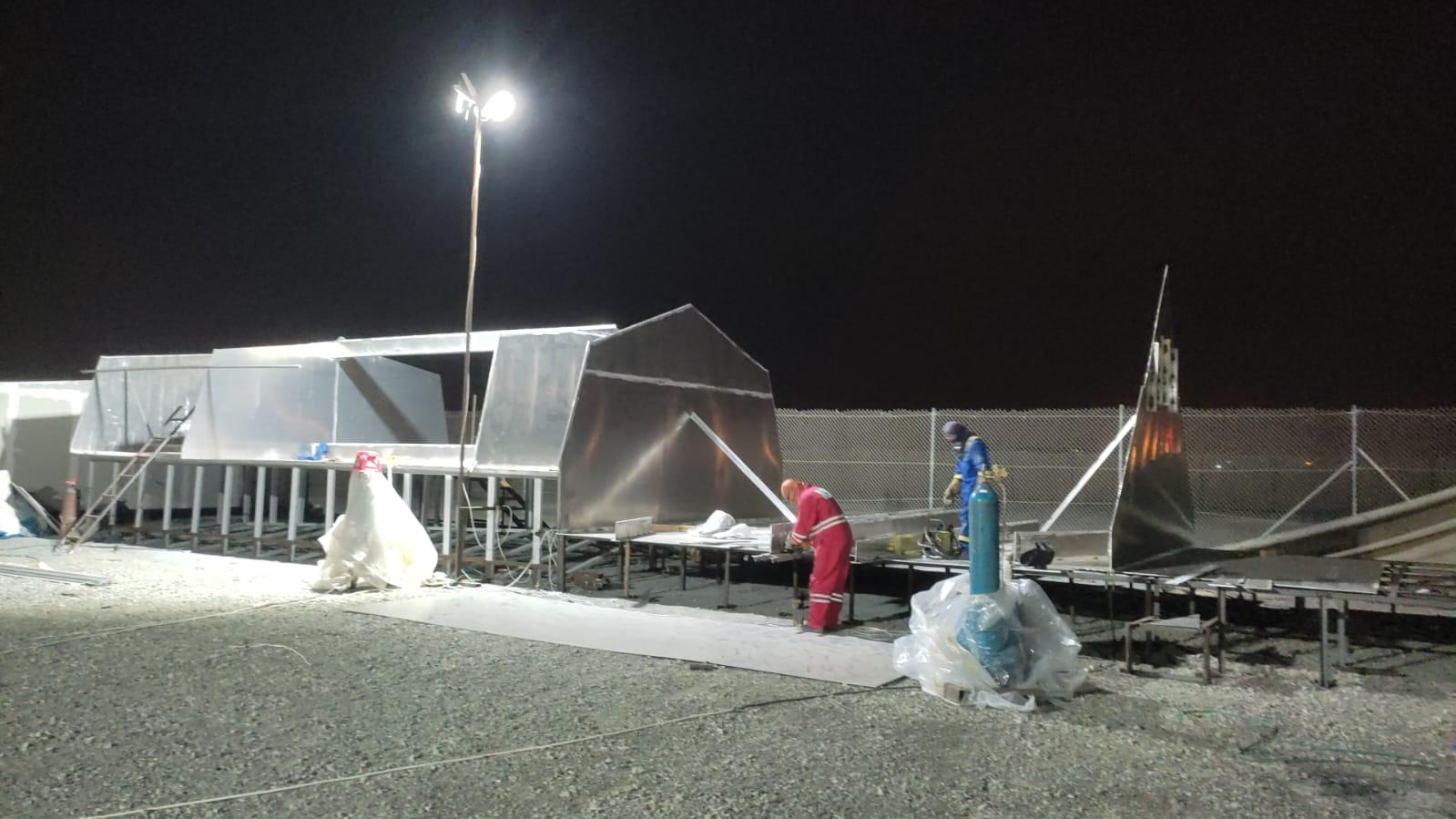
The maritime industry plays a vital role in international trade, cargo transportation, port management, and offshore activities. In the United Arab Emirates (UAE), modern ports and expanding marine infrastructure create a need for reliable vessels that can support demanding commercial operations. Tugboats are essential in this environment because they help larger ships navigate safely, move through restricted waterways, and complete difficult harbour manoeuvres.
A professional tugs building company in UAE must consider several factors when designing and constructing modern tugboats, including towing power, stability, safety, fuel efficiency, and long-term durability. These vessels must perform reliably in different operating conditions, from busy commercial ports to offshore work sites.
The Growing Importance of Tugboats in the UAE
Tugboats are specialised vessels designed to push or pull larger ships when additional manoeuvring assistance is required. They support container ships, tankers, bulk carriers, barges, and other commercial vessels during port entry, departure, berthing, and towing operations.
The UAE has an important position in international maritime trade because of its strategic location between major shipping routes. According to UNCTAD's 2024 maritime profile, the country's container port throughput was approximately 21.14 million twenty-foot equivalent units (TEUs). One TEU represents the capacity of a standard twenty-foot shipping container.
This level of container activity demonstrates the importance of efficient port operations and dependable marine support. Tugboats help reduce manoeuvring difficulties, assist ships in confined spaces, and support the smooth movement of vessels through busy waterways.
As commercial marine activity develops, operators need tugboats that combine suitable engine power, reliable equipment, and practical designs for their specific working conditions.
Modern Engineering in Tugboat Construction
Tugboat construction begins with understanding the vessel's intended purpose. A tug designed for harbour assistance may have different requirements from one used for offshore towing or barge transportation. Engineers must consider towing loads, operating hours, sea conditions, manoeuvrability, and the type of vessels the tug will assist.
Computer-aided design software helps engineers prepare accurate drawings and evaluate different structural arrangements before construction begins. It also supports the planning of machinery spaces, fuel tanks, crew areas, and deck equipment.
During fabrication, careful measurement, welding quality, and component alignment are essential. Proper planning can reduce construction errors and help ensure that the finished vessel meets its operational requirements.
Modern construction methods also focus on accessibility. Machinery and equipment should be arranged so that technicians can inspect, repair, and replace components without unnecessary difficulty. This can improve maintenance efficiency and help reduce downtime during the vessel's working life.
Choosing Suitable Materials for Tugboats
Material selection has a direct effect on a tugboat's strength, weight, durability, and maintenance requirements. Since these vessels operate in saltwater and frequently experience mechanical stress, their construction materials must be appropriate for demanding marine conditions.
Steel is widely used in commercial tugboat construction because it offers structural strength and can withstand substantial working loads when correctly designed and maintained. Aluminium can also be suitable for particular vessel types where reducing weight is an important design objective.
Experienced aluminum tug builders consider more than the initial weight of the vessel. They evaluate structural strength, corrosion protection, fabrication requirements, equipment loads, repair methods, and the vessel's intended operating environment.
The final material choice should reflect the complete design rather than a single performance advantage. Marine-grade materials, protective coatings, appropriate welding procedures, and regular inspections all contribute to long-term reliability.
Propulsion Systems and Towing Capabilities
The propulsion system is one of the most important elements of a modern tugboat. It determines how effectively the vessel can manoeuvre, generate thrust, and assist larger ships under different operating conditions.
Conventional propeller arrangements and azimuthing propulsion systems are among the options used in commercial tugboat designs. Azimuthing systems can direct thrust through a wide range of angles, allowing a tug to change direction quickly and operate effectively in confined spaces.
Engine output must be matched with hull design, propeller performance, vessel displacement, and the intended towing requirements. Simply installing a more powerful engine does not automatically produce a more efficient vessel.
Towing winches, bollards, towing hooks, and deck arrangements must also be selected according to operational needs. These components should be properly rated, installed, and inspected to support safe working practices.
A well-designed propulsion and towing arrangement helps improve manoeuvrability, operational reliability, and the vessel's ability to complete demanding marine tasks.
Aluminium Tugboat Designs and Performance
Aluminium is used in certain marine vessels because its relatively low density can help reduce overall vessel weight. Depending on the design, a lighter structure may support useful performance characteristics, including improved acceleration or lower power requirements.
However, aluminium is not automatically the best material for every tugboat. The vessel's size, structural loads, towing duties, operating environment, and required service life must all be evaluated before a material is selected.
Professional aluminium tug manufacturers need to consider structural design, suitable marine-grade alloys, welding quality, corrosion control, and the interaction between aluminium and other metals. Appropriate insulation and isolation measures can help reduce galvanic corrosion where dissimilar metals are used together.
Aluminium vessels also require careful attention to structural reinforcement around machinery foundations, towing equipment, and other highly loaded areas. Good engineering ensures that weight-saving objectives do not compromise safety or durability.
The most suitable construction solution is one that meets the vessel's performance requirements while remaining practical to maintain throughout its service life.
Technology and Digital Monitoring in Modern Tugboats
Technology is helping improve vessel operation, equipment monitoring, and maintenance planning. Modern tugboats can use electronic navigation systems, GPS positioning, radar, communication equipment, engine sensors, and automated alarms.
Navigation systems help crews understand surrounding traffic and manoeuvre safely in busy ports. Engine monitoring equipment can identify abnormal temperatures, pressure changes, or other conditions that may indicate developing mechanical problems.
Digital maintenance records also help operators track servicing schedules, equipment inspections, spare parts, and repair history. This information makes it easier to plan maintenance and identify recurring issues.
Automation can assist with selected routine functions, but trained crew members remain essential. Effective use of technology requires proper training, reliable equipment, and clear operating procedures.
Safety Standards and Quality Control
Safety must remain a priority throughout tugboat design, construction, testing, and operation. Tugboats perform demanding tasks that can involve heavy towing loads, close manoeuvres, changing weather, and restricted working areas.
Important design considerations include hull strength, stability, watertight compartments, firefighting systems, emergency equipment, safe access, and reliable machinery. Deck equipment must be suitable for its intended loads and installed according to the approved design.
Quality control should include material verification, welding inspections, dimensional checks, machinery installation, and functional testing. Before delivery, appropriate trials can evaluate propulsion, steering, manoeuvrability, communication systems, and essential safety equipment.
Vessel owners must also consider applicable flag-state regulations, classification requirements, and marine safety standards. Compliance depends on the vessel's type, size, registration, and intended service.
A reliable tug builder in UAE should understand that construction quality is not limited to the appearance of the finished vessel. It also includes engineering accuracy, documentation, equipment reliability, and the ability to support safe operation over time.
Fuel Efficiency and Sustainable Marine Operations
Fuel consumption is an important expense for commercial tugboat operators. Efficient hull design, appropriate engine sizing, well-maintained propulsion systems, and effective operating practices can help reduce unnecessary fuel use.
Operators can improve efficiency by monitoring engine loads, maintaining clean hull surfaces, reducing avoidable idling, and following preventive maintenance schedules. The results depend on vessel design, workload, operating hours, and local conditions.
The International Maritime Organization's 2023 greenhouse gas strategy aims to reduce carbon intensity from international shipping by at least 40% by 2030 compared with 2008 levels. It also establishes an ambition to achieve net-zero greenhouse gas emissions from international shipping by or around 2050.
These objectives relate to international shipping as a whole, but they highlight the wider industry's movement towards lower-emission operations. Hybrid propulsion, battery-assisted systems, and alternative fuels may provide benefits in suitable applications, depending on technical requirements and infrastructure availability.
Maintenance and Long-Term Vessel Reliability
Regular maintenance is necessary to keep tugboats operating safely and efficiently. Engines, gearboxes, propellers, electrical equipment, cooling systems, towing machinery, and safety devices all require scheduled inspections.
Preventive maintenance helps identify corrosion, leaks, excessive vibration, worn components, and other problems before they lead to major failures. Hull inspections and protective coating repairs are particularly important for vessels operating regularly in saltwater.
Keeping accurate maintenance records allows operators to monitor equipment condition, plan repairs, manage spare parts, and control operating expenses. Maintenance planning should also consider the accessibility of machinery and the availability of replacement components.
A vessel designed for practical servicing can spend less time undergoing avoidable repairs. Over its service life, this can support greater availability and more predictable operating costs.
VU Marine and the Future of Commercial Tugboats
VU Marine is part of the UAE's marine sector, where vessel construction, engineering quality, and dependable marine solutions are important for commercial operations.
The future of tugboat construction will depend on developing vessels that match the real needs of port operators, offshore service providers, and commercial fleet owners. Customised layouts, suitable propulsion systems, reliable towing equipment, and well-planned maintenance arrangements can all contribute to better operational performance.
Advances in digital design, fabrication methods, equipment monitoring, and energy-efficient technology are expected to remain important in modern marine engineering. At the same time, practical operating requirements and lifecycle costs must guide construction decisions.
Conclusion
Tugboats play an essential role in commercial marine operations by assisting larger vessels, supporting port activities, and carrying out towing work in demanding conditions. Their performance depends on sound engineering, suitable materials, reliable propulsion, modern navigation systems, and consistent maintenance.
In the UAE, modern tugboat construction can help meet the requirements of busy ports and expanding marine operations. By focusing on safety, quality, efficiency, and long-term reliability, the maritime industry can develop vessels that support commercial needs while adapting to changing technology and environmental expectations.

 English
 Arabic
 French
 Spanish
 Portuguese
 Deutsch
 Turkish
 Dutch
 Italiano
 Russian
 Romaian
 Greek