


Commercial Truck Frame and Panel Damage: Understanding the Repair Process
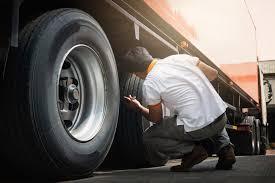
Commercial trucks take a beating on the road. Tight loading docks, small accidents, harsh driving surfaces, and general wear and tear can cause damage to the frame, body panels, bumpers, and other body parts. Some damage may just be cosmetic, but issues with the frame will affect the performance of the truck. Understanding the entire process of repairs will give fleet managers an idea of what to do and what not to do. Professional commercial truck body repair across Orlando, FL can help identify the extent of the damage and determine the right repair approach.
Start With a Proper Damage Inspection
The first step after frame or panel damage is a detailed inspection. The technician should do more than just focus on the part that is obviously damaged.
For instance, a dented side panel may appear to be an easy repair. However, if the truck had been in an accident, then the force of the accident could have affected the frame or other structural parts behind the panel.
The inspection should look for:
-
Bent or damaged frame sections
-
Cracked or distorted panels
-
Damaged mounting points
-
Misaligned body panels
-
Damaged bumpers or fenders
-
Signs of impact around the cab
-
Rust or corrosion
-
Damage to doors, hinges, or latches
Finding these problems early matters because repairing only the visible damage may leave a larger issue unresolved.
Understanding the Difference Between Frame and Panel Damage
Frame damage and panel damage are not synonymous terms.
Panels are those body sections of the truck that are visible. Panels can be made up of doors, side panels, hoods, fenders, and many other exterior components. Panel damage means any kind of dent, scratch, crack, or bend in the panel section.
On the other hand, the frame is completely different from panels. The frame is responsible for providing support to major components of the truck.
But that doesn’t necessarily imply all dents are caused by frame damage. The crucial thing is that fleet managers shouldn’t take the issue to be just cosmetic until the truck has been thoroughly checked out.
When a Panel Can Be Repaired
Not all damaged panels have to be replaced; some can simply be repaired.
If the damage is minor enough, a professional can attempt to straighten out the panel and put it back into its proper shape. Scratches and paint damage might also need to be repaired.
Fixing a panel rather than replacing it may save some time. But saving money does not make any sense unless the panel gets fixed well.
If the panel is still warped or weakened after fixing, it will cause more trouble in the future. The fixers need to decide whether the existing panel can be fixed or it needs to be replaced.
When Frame Repair Is Necessary
Frame damage needs more attention because the frame plays a major role in the truck's structure.
A hard impact can bend or twist a frame section. In some cases, the damage may not be obvious just by looking at the truck from the outside.
Technicians may inspect measurements, alignment, mounting points, and other areas to determine whether the frame has moved from its correct position.
If frame damage is confirmed, the repair process may involve straightening or repairing the affected section. The exact method depends on the type and severity of the damage.
The important thing for fleet managers is to avoid rushing this part of the job. A truck should not return to regular service until the structural damage has been properly addressed.
Check the Areas Around the Damage
One mistake fleet operators can make is focusing only on the damaged panel or frame section.
A collision or heavy impact can affect nearby components as well. For example, damage around the front of a truck may involve the bumper, grille, lights, hood, mounting brackets, or other parts.
The same applies to side impacts. A damaged door or panel may also affect hinges, steps, brackets, or nearby body components.
A complete inspection helps technicians identify these related issues before the truck leaves the shop.
Rust Can Make Body Damage Worse
Frame and panel damage should also be checked for rust and corrosion.
When paint or protective coatings are damaged, moisture can reach exposed metal. If the problem is left alone, corrosion can spread and make future repairs more expensive.
This is particularly important for older commercial trucks that already have areas of surface rust.
A good repair process should address corrosion before the final bodywork and paint are completed. This helps protect the repaired area and gives the truck a better chance of holding up under normal working conditions.
Epika Fleet's Orlando truck body repair services include solutions for commercial vehicle body damage, including collision-related repairs and other truck body work. Addressing the underlying damage instead of simply covering it up can help fleet operators avoid repeat repair issues.
Paint and Finish Are Part of the Repair
Once the structural and panel work is complete, the truck may need paint repair or color matching.
This is more than an appearance issue for fleet operators. Trucks often carry company logos, colors, and other branding. A poorly matched repair can make a repaired section stand out from the rest of the vehicle.
Proper surface preparation is also important. If the damaged area is not prepared correctly before painting, the finish may not hold up as expected.
For a fleet, the goal should be a repair that looks clean while also protecting the body from further weather and road exposure.
Consider Downtime Before Starting the Repair
Fleet managers know that a truck sitting in a repair shop is not generating revenue. Before approving major body or frame work, it helps to understand what needs to be repaired and how long the process may take.
Ask the repair provider about:
-
The estimated repair time
-
Parts that need to be ordered
-
Whether additional damage was found
-
Frame repair requirements
-
Paint and finishing work
-
Any follow-up inspection needed
Having this information upfront makes it easier to plan loads and drivers around the repair.
Epika Fleet focuses on commercial fleet repair and understands that getting trucks back into service matters to operators. Its Orlando truck body repair services are designed around commercial vehicles and the types of body damage fleets deal with during daily operations.
Don't Put a Questionable Truck Back on the Road
Once the repair is finished, the job is not necessarily over. The truck should receive a final check before returning to regular service.
The repair team should confirm that repaired panels are secure, doors and latches work correctly, lights and other visible components are functioning, and there are no obvious signs of unresolved damage.
For trucks that had structural or major collision damage, a more detailed inspection may also be appropriate before dispatch.
A final check gives fleet managers confidence that the truck is ready for its next load instead of finding out about a problem after it is already miles from the yard.
Work With a Repair Team That Understands Commercial Trucks
Frame and panel damage can range from a simple dent to a major structural problem. The right repair depends on the type of damage, the condition of the truck, and the areas affected.
For fleet operators, the priority should be getting the truck repaired correctly without creating unnecessary downtime. A professional commercial truck body repair service in Orlando, FL can help assess the damage, determine whether panels can be repaired or replaced, and address larger body or frame concerns.
Epika Fleet provides commercial truck body repair support in Orlando, helping fleet operators deal with collision damage, body repairs, and related truck repair needs.

 English
 Arabic
 French
 Spanish
 Portuguese
 Deutsch
 Turkish
 Dutch
 Italiano
 Russian
 Portuguese (Brazil)
 Greek