


Power Semiconductor Market Developments Accelerating High-Performance Electronic Systems
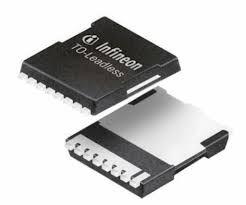
The modern digital and industrial economy relies fundamentally on the invisible yet indispensable capability to convert electrical energy efficiently from one form to another. At the epicenter of this capability is the power semiconductor market, which encompasses a vast array of diodes, transistors, and integrated circuits designed to handle heavy electrical loads. Group discussions in engineering and financial circles frequently highlight how these components dictate the performance limits of electric vehicle powertrains, solar inverter systems, wind turbine converters, and enterprise data centers. The ongoing transition toward smart grids and decentralized energy generation has further amplified the need for robust, high-voltage semiconductor solutions capable of maintaining system stability under fluctuating loads. Engineers are constantly challenged to improve thermal performance, reduce switching losses, and enhance the overall reliability of power modules operating in harsh environments. Simultaneously, fabrication facilities are upgrading their manufacturing lines to process larger silicon wafers and adopt sophisticated packaging techniques that improve heat dissipation. These concerted efforts across research institutions and commercial enterprises ensure that power electronics continue to evolve in tandem with the world's escalating appetite for clean, reliable, and intelligently managed electrical energy.
Evaluating the trajectory of these technological advancements and their broader economic implications becomes seamless when consulting an authoritative Power Semiconductor Market Growth study. These comprehensive resources provide deep dives into the macroeconomic drivers, regulatory frameworks, and consumer adoption rates propelling the industry forward. By analyzing historical performance alongside emerging commercial opportunities, industry participants can better understand the catalysts behind sustained sector expansion and identify potential roadblocks. Ultimately, staying informed through rigorous market analysis empowers businesses to make calculated investments and align their product roadmaps with the demands of an electrified future.
Frequently Asked Questions
-
Why are larger wafer sizes important in semiconductor manufacturing? Transitioning to larger wafer sizes, such as 300mm silicon wafers, allows manufacturers to produce more chips per batch, significantly lowering the per-unit production cost and improving manufacturing efficiency.
-
What are the main challenges in manufacturing silicon carbide devices? Growing high-purity silicon carbide single crystals requires extremely high temperatures and precise control, making the ingot growth process slower, more complex, and more expensive than traditional silicon manufacturing.

 English
 Arabic
 French
 Spanish
 Deutsch
 Turkish
 Dutch
 Italiano
 Russian
 Romaian
 Portuguese (Brazil)
 Greek