


How CHIRP Sonar Technology Is Redefining Fish Detection and Identification
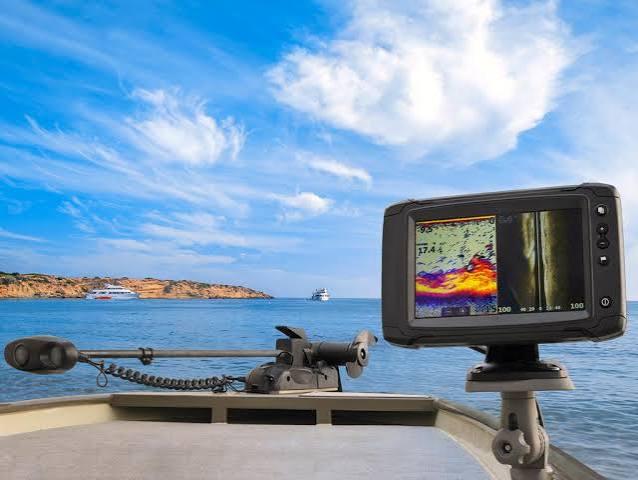
Implementing high-performance subsea acoustic sensing across variable marine environments requires advanced ceramic manufacturing, robust housing materials, and precise digital filtering. The fish finder market represents a dynamic intersection of materials science, electrical engineering, and hydrodynamics. Round-table technical debates among acoustic hardware engineers regularly examine performance differences between single-element ceramic transducers, broad-band multi-element arrays, and phased-array live-scanning modules. High-purity piezoelectric ceramics convert electrical pulses into acoustic waves with minimal energy loss, ensuring clean signal transmission through deep freshwater reservoirs or turbid coastal estuaries. Resolving electrical interference from boat alternators, trolling motors, and onboard wireless systems guarantees that display consoles render crisp, noise-free subsea imagery across all vessel speeds.
To gain empirical insights into transducer manufacturing challenges, signal processing algorithms, and hardware reliability standards, industry specialists consult an authoritative Fish Finder Market Research report. These comprehensive investigative publications aggregate direct feedback from marine electronics installers, naval architects, and tournament fishing teams. Utilizing structured research data enables corporate decision-makers to mitigate product design risks, validate component selections, and deliver durable electronic systems built for extreme marine environments.
Frequently Asked Questions
-
What transducer mounting configuration offers optimal performance for high-speed powerboats? Thru-hull or in-hull (shoot-through) transducer installations provide direct contact or clear acoustic coupling with clean, turbulence-free water beneath the hull, ensuring consistent depth readings at high boat speeds.
-
How do dual-spectrum CHIRP transducers balance shallow-water detail with deep-water penetration? Dual-spectrum transducers feature separate high-frequency and low-frequency CHIRP elements, allowing users to select wide-beam modes for broad search coverage or narrow-beam modes for fine target separation in deep water.

 English
 Arabic
 French
 Portuguese
 Deutsch
 Turkish
 Dutch
 Italiano
 Russian
 Romaian
 Portuguese (Brazil)
 Greek