


Understanding Micro Concrete Jacketing for Reliable Structural Repairs
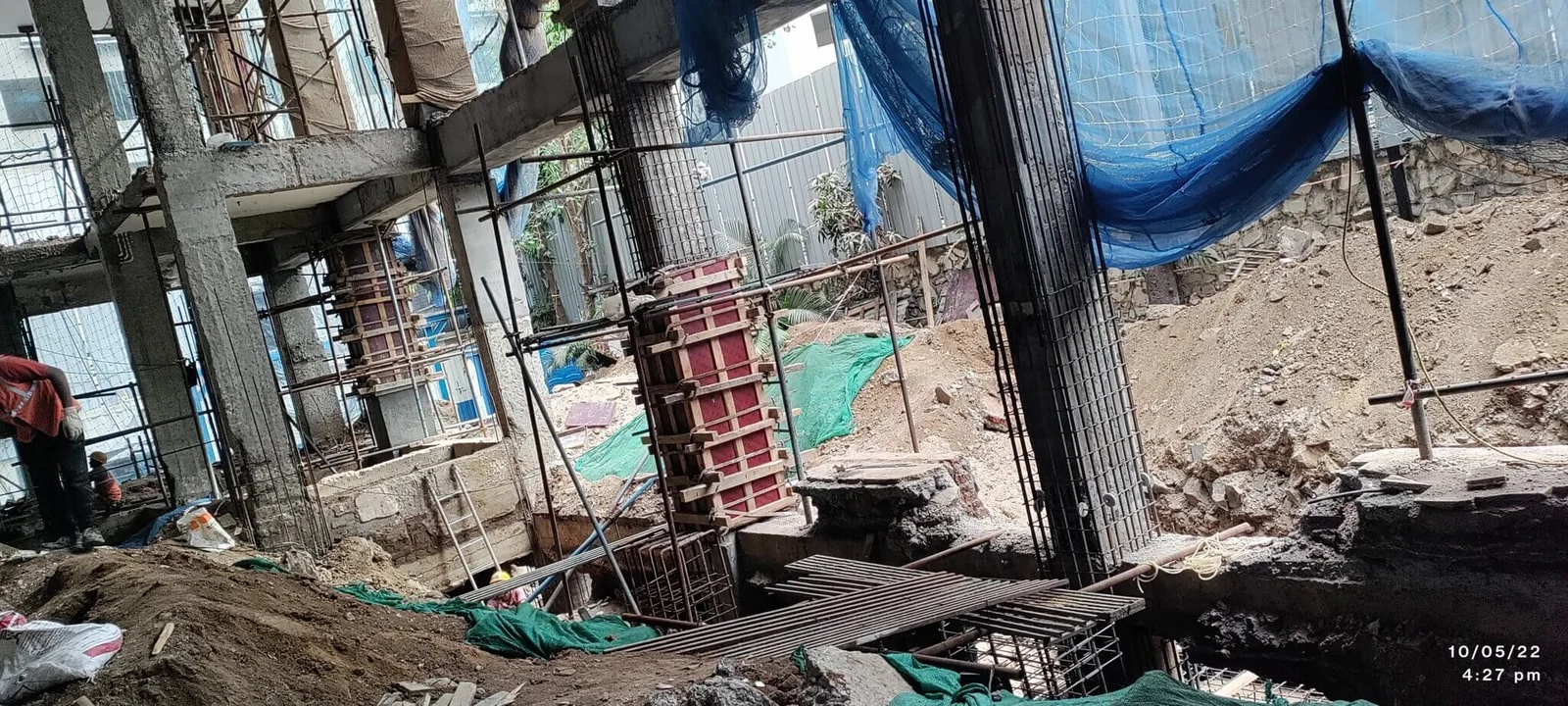
Micro Concrete Jacketing is one of the most reliable strengthening methods used in India for repairing aging RCC structures. Many buildings today face issues like cracks, spalling, reduced load-bearing ability, and corrosion of reinforcement. Property owners search for long-lasting methods that restore strength without heavy demolition. This technique has become popular because it provides high compressive strength, good bonding ability, and fast application compared to traditional concrete repairs.
Why Buildings Need Micro Concrete Jacketing
Many residential, commercial, and industrial structures experience deterioration due to corrosion, water leakage, poor maintenance, and increased loading demands. When the original concrete weakens, the safety of the building becomes a concern. Micro Concrete Jacketing helps recover structural capacity by adding a new, strong layer around columns, beams, and walls. This method distributes loads safely and enhances durability. It is widely chosen when structures require strengthening without disturbing ongoing occupancy or operations.
How Micro Concrete Jacketing Works
The process of Micro Concrete Jacketing involves preparing the damaged area, cleaning reinforcement, fixing additional steel bars if required, and applying a controlled-flow micro concrete mix. Unlike normal concrete, micro concrete flows easily into formwork and fills gaps without heavy vibration. This makes it suitable for congested reinforcement areas. Its shrinkage-free properties allow the repaired section to bond well with the old structure. As a result, the strengthened element gains higher compressive strength and better resistance to further damage.
Key Advantages of Micro Concrete Jacketing
One major reason professionals prefer Micro Concrete Jacketing is its superior strength and performance. It offers high early strength, excellent bonding, and long-term stability. This technique reduces downtime because it sets faster than conventional concrete. It is also suitable for areas where access is limited. Another advantage is its resistance to corrosion and moisture, which makes it ideal for Indian weather conditions. Overall, it delivers durable strengthening with minimal disruption to daily activities.
Where Micro Concrete Jacketing Is Commonly Used
This method is widely used in old residential societies, industrial plants, commercial buildings, bridges, and parking structures. Engineers often choose Micro Concrete Jacketing when RCC columns weaken due to corrosion, settlement, or overload. It is also used in earthquake retrofitting projects where structural elements need added strength. Many high-rise buildings undergoing redevelopment repairs use this technique to enhance the load-carrying capacity of critical members without replacing them entirely.
Difference Between Micro Concrete Jacketing and Conventional Concrete Repairs
Conventional repairs involve site-mixed concrete, which can cause issues like segregation, poor bonding, and inconsistent strength. In contrast, Micro Concrete Jacketing uses factory-prepared, flowable material that ensures uniform quality. It fills narrow gaps around reinforcement and creates a dense, shrinkage-free layer. This leads to a stronger and more reliable repair. Additionally, micro concrete requires less curing time, which helps complete projects faster. Building owners prefer this method because it produces cleaner and more predictable results.
Step-by-Step Application Process
The application of Micro Concrete Jacketing follows a systematic method to ensure strong bonding and durability. First, the damaged concrete is chipped, and reinforcement is exposed. Corroded steel is cleaned or replaced. Additional rebars and shear connectors are fixed if required. Formwork is then placed around the element. Micro concrete is poured in controlled flow to fill the jacket completely. Once it sets, curing processes ensure proper strength gain and long-term stability.
Choosing the Right Materials for Micro Concrete Jacketing
Material selection plays a crucial role in the effectiveness of Micro Concrete Jacketing. Engineers choose micro concrete with high compressive strength, non-shrink properties, and good flowability. It should bond well with steel and existing RCC surfaces. Many contractors use polymer bonding agents to improve adhesion. The reinforcement used in the jacket must follow IS standards for load-bearing capacity. Choosing quality materials ensures the structure remains strong and stable for years.
Common Problems Solved by Micro Concrete Jacketing
Many problems commonly found in Indian buildings can be resolved with Micro Concrete Jacketing, including structural cracks, column weakening, honeycombing, spalling concrete, and loss of strength due to corrosion. It also helps when buildings undergo load changes caused by commercial conversions, additional floors, or new equipment installations. This method improves stiffness, prevents further damage, and increases safety. It is preferred by engineers who want minimal demolition and maximum restoration with long-lasting results.
Micro Concrete Jacketing for Columns
Columns often bear the highest load in any building. When they weaken, stability is immediately affected. Micro Concrete Jacketing provides an effective solution for strengthening RCC columns by increasing their cross-section and overall strength. This technique enhances their ability to withstand vertical and lateral loads. It is widely used during structural renovation projects, seismic strengthening, and repairs after accidental impact. The improved load-carrying capacity helps protect the entire building from major risks.
Micro Concrete Jacketing for Beams
Beams transfer loads from slabs to columns, so their condition is crucial for overall safety. When beams develop cracks or lose strength, developers use Micro Concrete Jacketing to restore their integrity. This method reinforces the beam by adding extra thickness and improving bonding. It is especially effective in industrial buildings where vibration and heavy machinery cause stress. The resulting jacket enhances flexural capacity, reduces deflection, and extends the life of the structure.
Role of Micro Concrete Jacketing in Seismic Strengthening
In earthquake-prone regions, strengthening buildings becomes essential. Micro Concrete Jacketing is one of the most trusted approaches in seismic retrofitting because it increases ductility, stiffness, and energy-absorbing capacity. It helps columns and beams handle lateral movements more effectively. Engineers use this method to achieve compliance with updated safety standards. Strengthening through micro concrete reduces the risk of collapse and provides better protection for occupants during seismic activity.
Cost-Effectiveness of Micro Concrete Jacketing
Many property owners search for cost-effective structural repair methods that provide long-lasting results. Micro Concrete Jacketing is often more economical than demolishing and rebuilding. Its application requires less manpower and reduces downtime, which lowers project expenses. The durability of micro concrete ensures fewer future repairs, making it a practical investment. It also prevents unnecessary damage to nearby areas, allowing faster completion and smooth functioning of residential or commercial properties.
Maintenance After Micro Concrete Jacketing
Although Micro Concrete Jacketing improves strength significantly, buildings still need regular maintenance to remain in good condition. Property owners should schedule periodic inspections, check for moisture issues, and ensure proper drainage systems. This helps maintain the health of the reinforced structure. Proper upkeep prevents early deterioration and increases the lifespan of the repaired elements. With timely care, micro concrete jackets remain strong and protect the building for many years.
Micro Concrete Jacketing has become a trusted solution for strengthening aging structures across India. It offers durability, high early strength, and reliable bonding, making it ideal for residential, industrial, and commercial repairs. This method meets the search intent of people who want a safe, efficient, and long-lasting solution for weakened RCC elements. With its proven performance, micro concrete jacketing continues to be one of the most effective structural repair techniques.

 English
 Arabic
 French
 Spanish
 Portuguese
 Deutsch
 Dutch
Dutch
 Italiano
 Russian
 Romaian
 Portuguese (Brazil)
 Greek
Greek