


Modern vs. Traditional: Kitchen Renovation Austin TX Design Styles Explained
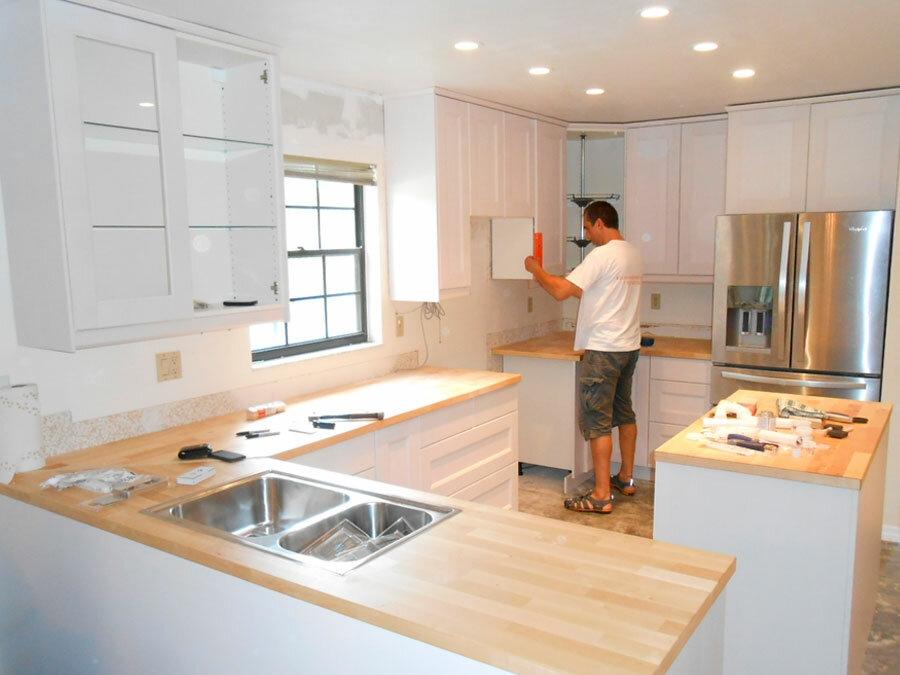
Your kitchen is more than just a place to cook. In Austin, it’s the hub of the home—the spot where breakfast tacos are assembled before a busy day, where friends gather during a backyard barbecue, and where the day’s stories are shared over a locally roasted cup of coffee. When it’s time for a remodel, one of the most fundamental and exciting decisions you'll face is choosing your design direction. The choice between modern and traditional style isn't just about picking a paint color or a cabinet door; it's about defining the personality of your home and how you want to live in it.
For Austin homeowners, this decision carries extra weight. Our city is a vibrant tapestry of historic bungalows in Travis Heights, sleek downtown condos, and expansive contemporary homes in the Hill Country. Your kitchen should feel like a natural extension of your home's architecture and your personal lifestyle. But with so many inspiration images online, the lines can blur. What truly defines a modern kitchen versus a traditional one? And more importantly, which one is right for your Kitchen renovation Austin TX project? Let's break down the core principles, materials, and vibes of each style to help you find your perfect fit.
The Heart of Traditional Design: Warmth, Detail, and History
Traditional kitchen design is rooted in classic European styles—think English Country, French Provincial, or Early American. It’s a style that values comfort, familiarity, and craftsmanship. If your home is a historic Craftsman in Hyde Park, a charming ranch in Brentwood, or you simply crave a sense of timeless warmth, traditional design is a compelling choice.
Key Characteristics of a Traditional Austin Kitchen:
-
Ornate Details: This is the hallmark. Look for cabinetry with raised-panel doors, decorative corbels under countertops, and detailed molding like crown molding or beadboard on the island. Hardware tends to be substantial and decorative, such as bin pulls, cup pulls, or classic knob-and-hinge sets in oil-rubbed bronze or wrought iron.
-
Rich, Warm Materials: Wood is king in a traditional kitchen. Stained cabinetry in cherry, maple, or oak with a visible grain is common. Countertops often feature natural stone with movement, like granite or marble, or classic butcher block. The palette leans toward warmer tones: creams, beiges, deep greens, and navy blues.
-
A Sense of Layering and Patina: Traditional design doesn't shy away from texture and the appearance of age. You might see a farmhouse apron-front sink (fireclay or copper), a classic subway tile backsplash laid in a offset pattern, and furniture-like pieces such as a pantry cabinet that looks like an antique armoire. The goal isn't sterile perfection; it's a collected, lived-in feel.
-
Focal Point Fixtures: A statement pendant light over the island, perhaps with seeded glass or a lantern-style metal frame, is a typical feature. Faucets often have a high-arch gooseneck design with cross handles.
The Austin Twist: In an Austin traditional kitchen, you might incorporate locally sourced limestone for a countertop or backsplash, nodding to the Hill Country landscape. Reclaimed wood from a Central Texas barn for open shelving or ceiling beams can add authentic history and sustainability.
The Essence of Modern Design: Clarity, Function, and Space
Modern design (often used interchangeably with "contemporary") is inspired by the 20th-century movements of Bauhaus and Mid-Century Modern. It prioritizes clean lines, open space, and the honest expression of materials. If you live in a new-build in Mueller, a minimalist downtown loft, or you love an uncluttered, serene environment, modern design will speak to you.
Key Characteristics of a Modern Austin Kitchen:
-
Sleek, Streamlined Surfaces: Cabinetry is the star here, defined by flat-panel (slab) doors with minimal or no visible hardware. Handle-less designs with integrated touch latches or sleek, linear bar pulls are standard. The look is seamless and uninterrupted.
-
A Monochromatic and Bold Palette: Modern kitchens often feature a neutral base of white, gray, or black, punctuated by intentional shots of bold color or dramatic texture. You might see a matte black waterfall island, high-gloss white upper cabinets, or a vibrant colored lacquer on a lower cabinet run. The focus is on contrast and impact.
-
Innovative and Industrial Materials: While wood is used, it's often in a sleeker format, like flat-cut walnut with a low-sheen finish. Other materials shine: stainless steel appliances (often integrated), quartz or concrete countertops, and full-height slabs of porcelain or engineered stone for a backsplash. Glass, lacquer, and metal are used freely.
-
Open Layout and Strategic Lighting: Modern design is inextricably linked to open floor plans. The kitchen flows into living spaces without visual barriers. Lighting is architectural and discreet—think recessed LED cans, slim linear fixtures, or minimalist pendant spheres. The lighting design is about creating ambient layers, not just decorative fixtures.
The Austin Twist: A modern Austin kitchen might use locally poured concrete for countertops, embracing an industrial material in a refined way. Large, sliding glass doors that open to a covered patio blur the line between indoor and outdoor living, a key part of the Austin lifestyle. A statement backsplash made from locally quarried, honed limestone in a large format tile would ground the modern space in its regional context.
Side-by-Side: A Quick Comparison
|
Feature |
Traditional Style |
Modern Style |
|
Cabinetry |
Raised-panel, detailed molding, visible hardware. |
Flat-panel (slab), handle-less, concealed hinges. |
|
Countertops |
Granite, marble, butcher block. |
Quartz, concrete, stainless steel, solid surface. |
|
Backsplash |
Subway tile, mosaic, natural stone with grout lines. |
Full-height slab, large-format tile, glass, metal. |
|
Flooring |
Hardwood (medium to dark stain), patterned tile. |
Wide-plank hardwood (light or dark), polished concrete. |
|
Sink & Faucet |
Farmhouse apron-front, gooseneck with cross handles. |
Undermount rectangular, single-hole faucet with lever. |
|
Lighting |
Lantern pendants, chandeliers, sconces with detail. |
Recessed lighting, linear LEDs, geometric pendants. |
|
Overall Vibe |
Warm, inviting, layered, timeless. |
Cool, sleek, minimalist, intentional. |
Finding Your Style: Questions to Ask for Your Austin Remodel
Choosing isn't about what's trending; it's about what fits you. Ask yourself these questions as you plan your Kitchen Remodeling project:
-
What is the architectural style of my home? A modern kitchen in a 1920s bungalow can be stunning if done thoughtfully (often called a "transitional" blend), but a traditional kitchen might feel more intrinsically connected. A modern design will flow effortlessly in a contemporary home.
-
How do I truly use my kitchen? Do you entertain large groups where people gather in the kitchen (favoring an open, modern flow)? Or is cooking a more intimate, detailed process where dedicated work zones (a classic traditional strength) are key? Modern design excels at efficient, "clean-as-you-go" workflows.
-
What is my tolerance for visual clutter? Traditional design is welcoming of displayed dishware, cookbooks, and decorative items. Modern design thrives on ample, hidden storage to keep surfaces completely clear. Be honest about your habits.
-
What feeling do I want to come home to? Do you crave a cozy, comforting nest after a long day in Austin's tech scene? Or do you seek a calm, clutter-free sanctuary that feels like a reset?
The Beautiful Middle Ground: Transitional Design
Many Austin homeowners find their sweet spot in the middle, in what’s called Transitional style. This blends the best of both worlds. It might take the clean, simple lines of modern cabinetry but warm them up with a wood stain, a Shaker-style door (a simple recessed panel), and brushed gold hardware. It could pair a traditional marble-look quartz countertop with a sleek, handle-less lower cabinet. Transitional design offers balance—it feels fresh and current but also comfortable and inviting. It’s an exceptionally popular choice because it is adaptable, timeless, and less susceptible to feeling dated.
Moving Forward with Your Austin Kitchen Renovation
Once you have a direction, the next step is partnering with a design-build firm that understands your vision and the nuances of Austin living. They can help you translate a style into a functional floor plan that accounts for our indoor-outdoor lifestyle, selects materials that withstand Texas heat and humidity, and creates a space that is uniquely yours.
Whether you choose the detailed warmth of traditional design, the crisp clarity of modern style, or a tailored blend of both, the goal is the same: to create a kitchen that reflects your personality and serves as the true heart of your Austin home. By understanding these core styles, you move from being overwhelmed by options to being empowered with a clear vision, ready to create a space where memories—and great meals—are made for years to come.

 English
 Arabic
 French
 Spanish
 Portuguese
 Turkish
 Dutch
Dutch
 Italiano
 Russian
 Romaian
 Portuguese (Brazil)
 Greek
Greek