


The Future of Genetic Testing: Emerging Technologies and Medical Discoveries
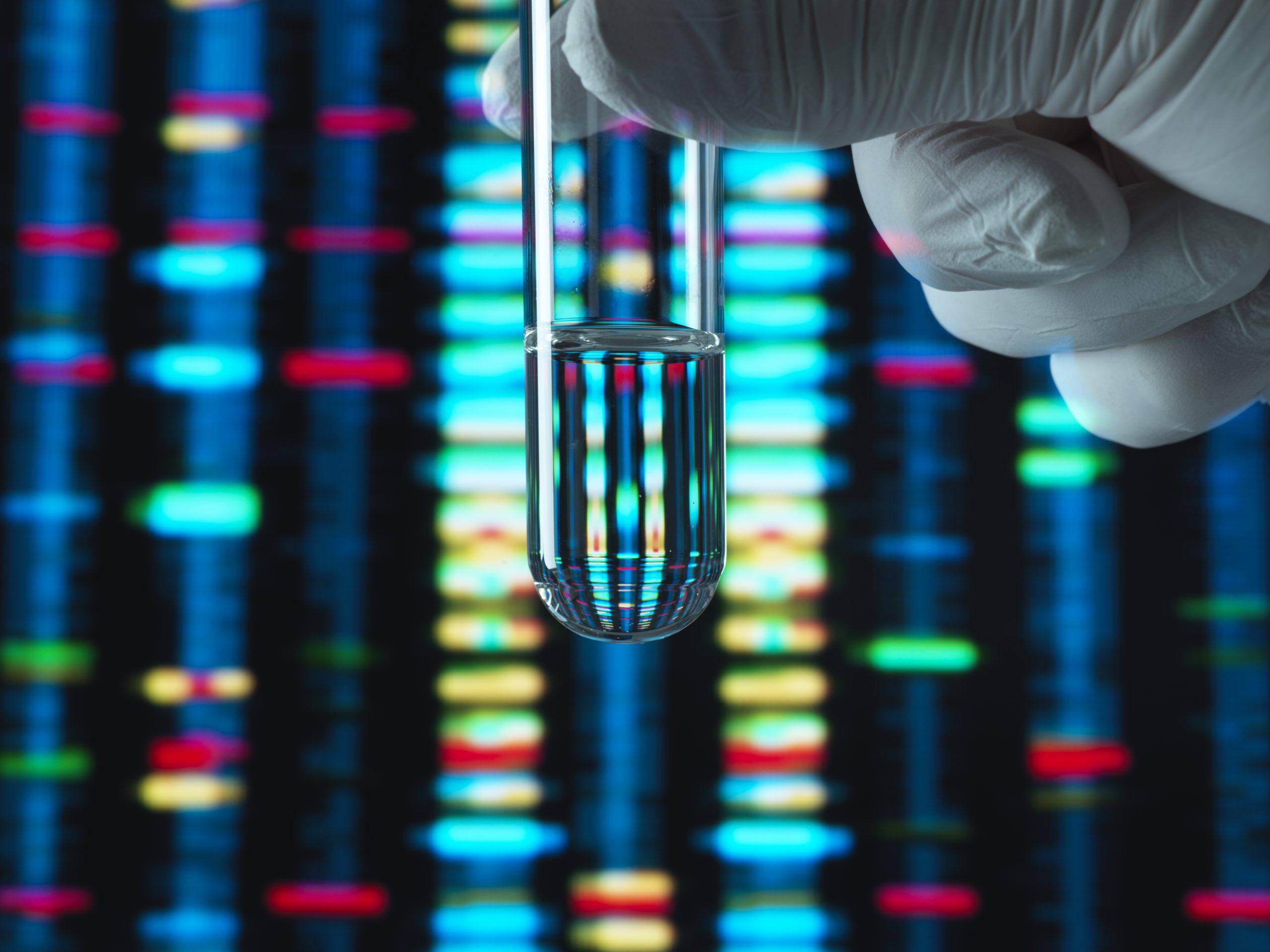
Genetic testing is entering a new era as advances in DNA sequencing, artificial intelligence, molecular diagnostics, and personalized medicine continue to reshape healthcare. What once required specialized laboratories and extensive analysis is becoming increasingly accessible, allowing researchers and healthcare professionals to investigate genetic information with greater depth and precision.
These developments are creating new opportunities to diagnose rare inherited disorders, understand disease susceptibility, identify potential treatment options, and improve reproductive healthcare. At the same time, emerging technologies are helping scientists explore how genes interact with environmental influences and contribute to complex health conditions.
The future of Genetic Testing in Dubai is not simply about analyzing more DNA. It is about understanding genetic information more effectively and using reliable findings to support better medical decisions.
The Next Generation of DNA Analysis: Technologies Changing Genetic Testing
The development of modern genetic testing is closely connected to improvements in laboratory methods. New technologies are allowing scientists to examine genetic information in ways that were previously difficult, expensive, or time-consuming.
1. Long-Read DNA Sequencing: Understanding Complex Genetic Changes
Traditional short-read sequencing examines relatively small sections of DNA at a time. Although this approach is useful for identifying many genetic variants, it can struggle with certain complex regions of the genome.
Long-read sequencing analyzes much longer DNA fragments, helping researchers investigate genetic changes that may be difficult to identify using conventional methods.
Potential applications include:
-
Detecting large insertions and deletions in DNA
-
Identifying certain structural chromosome variations
-
Investigating repetitive DNA regions
-
Understanding complex inherited genetic disorders
-
Studying changes in gene structure and organization
This technology may improve the investigation of rare diseases and genetic conditions that remain unexplained after conventional testing.
2. Artificial Intelligence and Machine Learning in Genetic Analysis
Modern sequencing technologies generate enormous amounts of genetic information. Artificial intelligence and machine learning are increasingly being explored to help researchers analyze these complex datasets.
AI-based systems can assist with identifying patterns, prioritizing genetic variants, and comparing findings with existing scientific information.
For example, computational tools may help specialists investigate whether a particular genetic variant is associated with a rare inherited condition.
However, AI predictions are not equivalent to confirmed medical diagnoses. Their usefulness depends on the quality of training data, scientific evidence, and expert review.
The future of genetic testing will likely involve collaboration between computational analysis and qualified laboratory and clinical professionals.
3. Single-Cell Sequencing: Studying DNA Activity at the Cellular Level
Traditional genetic analysis often examines DNA from groups of cells. Single-cell sequencing allows researchers to investigate genetic information or gene activity in individual cells.
This approach is particularly valuable in cancer research, where different cells within the same tumor may have different genetic characteristics.
By studying individual cells, scientists can investigate:
-
Genetic differences between tumor cell populations
-
How certain cells respond to treatment
-
Changes in gene activity during disease development
-
Differences between healthy and abnormal cells
Single-cell technologies may contribute to a better understanding of cancer progression and treatment resistance.
4. Multi-Omics Testing: Connecting Genes With Other Biological Systems
Genetic information is only one part of human biology. Other biological processes, including gene expression, protein production, and metabolism, also influence health.
Multi-omics research combines information from different biological layers, such as:
-
Genomics: The study of DNA and genetic variation
-
Transcriptomics: The study of RNA and gene expression
-
Proteomics: The study of proteins
-
Metabolomics: The study of small molecules involved in metabolism
Combining these datasets may help researchers understand how genetic differences influence biological processes and disease development.
Although multi-omics testing is still developing in many clinical applications, it has significant potential for future medical research.
How Emerging Genetic Technologies Could Transform Disease Diagnosis?
One of the most important goals of future genetic testing is to improve the identification of diseases, particularly conditions that are difficult to diagnose using traditional methods.
Rare Disease Diagnosis With Advanced Genome Sequencing
Many rare genetic disorders are difficult to identify because their symptoms overlap with those of other medical conditions.
Whole-exome sequencing examines protein-coding regions of DNA, while whole-genome sequencing analyzes a broader portion of the genome.
These technologies may help identify genetic variants responsible for unexplained developmental differences, neurological conditions, metabolic disorders, and other inherited diseases.
Earlier identification of a genetic cause can help healthcare professionals develop more appropriate monitoring and treatment plans.
However, broader sequencing may also identify uncertain findings that require further investigation.
Earlier Identification of Hereditary Cancer Risks
Advances in hereditary cancer testing may help identify people carrying disease-associated variants before cancer develops.
For example, testing for pathogenic variants in genes such as BRCA1 and BRCA2 can help assess inherited breast and ovarian cancer risks.
Improved genetic analysis may also expand the identification of other hereditary cancer syndromes.
When a clinically significant inherited variant is identified, healthcare professionals may recommend individualized screening, risk-management discussions, or targeted testing for relevant relatives.
Genetic risk does not mean cancer is inevitable. The findings must be interpreted alongside personal medical history and other risk factors.
More Detailed Understanding of Inherited Cardiovascular Conditions
Some heart conditions, including certain cardiomyopathies and inherited rhythm disorders, have identifiable genetic causes.
Future advances in genetic testing may improve the detection and interpretation of variants associated with these conditions.
This could help clinicians investigate unexplained cardiovascular symptoms, assess certain inherited risks, and identify relatives who may benefit from clinical evaluation.
Genetic testing should complement, rather than replace, standard cardiovascular assessment.
Precision Medicine: How Genetic Testing May Shape Individual Treatment
Precision medicine aims to consider individual biological characteristics when selecting healthcare strategies. Genetic information is becoming an increasingly important part of this approach.
Pharmacogenomics and More Informed Medication Selection
Pharmacogenomics examines how genetic differences influence the body's response to medications.
Some genetic variants affect enzymes responsible for breaking down medicines. Others may influence drug transport or the way medications interact with their targets.
Depending on the medicine and available evidence, pharmacogenetic testing may help healthcare professionals:
-
Identify patients who may process certain medications differently
-
Consider alternative treatment options
-
Follow established medication dosing recommendations
-
Reduce the risk of selected medication-related adverse effects
As research develops, more drug-gene relationships may become relevant to clinical practice.
However, genetic results do not determine medication choices on their own. Medical history, current treatments, organ function, and clinical guidelines remain essential.
Cancer Treatment Guided by Tumor Genetic Profiling
Cancer cells can develop genetic changes that influence how tumors grow and respond to treatment.
Tumor profiling examines these changes to identify molecular characteristics that may be relevant to specific targeted therapies.
This approach is already used in selected cancer settings and may expand as researchers discover more clinically useful molecular targets.
It is important to distinguish tumor genetic testing from inherited genetic testing. Tumor profiling examines changes in cancer cells, while germline testing looks for genetic variants inherited from biological parents.
Emerging Medical Discoveries: What Could Genetic Testing Make Possible?
Beyond current diagnostic applications, genetic research is creating opportunities to investigate new approaches to disease treatment and prevention.
Gene Therapy and Genetic Medicine
Gene therapy aims to treat or prevent certain diseases by introducing, replacing, or modifying genetic material or its activity.
Some gene-based treatments have already become available for selected conditions, while many others remain under investigation.
Genetic testing can help identify patients whose conditions involve specific genetic changes that may be relevant to these treatments.
As research progresses, more targeted approaches may become possible for selected inherited disorders.
CRISPR and Gene Editing Research
CRISPR-based technologies allow scientists to make targeted changes to DNA under controlled research or therapeutic conditions.
These tools have created new opportunities to study genetic diseases and develop potential treatments.
Some gene-editing therapies have entered clinical use for specific conditions, while many proposed applications remain experimental.
Genetic testing plays an important role in identifying relevant variants and assessing whether a person may meet the criteria for a particular gene-based treatment.
Polygenic Risk Scores and Complex Disease Research
Many common conditions, including type 2 diabetes and coronary artery disease, involve multiple genes as well as lifestyle and environmental influences.
Polygenic risk scores combine information from numerous genetic variants to estimate an individual's inherited susceptibility to certain complex diseases.
Researchers are investigating how these scores could support preventive healthcare and personalized risk assessment.
However, their accuracy and clinical usefulness can vary between populations. They should not be treated as definitive predictions of future illness.
What Must Improve Before Future Genetic Testing Becomes Routine?
Technological progress alone is not enough to ensure that genetic testing benefits everyone. Several important challenges must be addressed.
Genetic Data Privacy and Cybersecurity
Genetic information is highly sensitive because it may reveal inherited health risks and details about biological relatives.
Healthcare providers and testing companies must maintain appropriate security measures, explain data-sharing practices, and provide clear information about sample and data retention.
Patients should understand how their genetic information may be stored, used, and shared before giving consent.
Affordability and Equal Access
Advanced sequencing and specialist interpretation can be expensive. Some healthcare systems also lack the laboratory infrastructure and trained professionals needed to provide comprehensive genetic services.
Improving affordability, laboratory capacity, and access to genetic counseling will be essential for wider adoption.
Better Interpretation of Uncertain Genetic Variants
Not every genetic difference has a known medical meaning.
A variant of uncertain significance indicates that current scientific evidence is insufficient to determine whether the finding causes disease.
Future research and improved genetic databases may help clarify more of these variants, but careful interpretation will remain essential.
Ethical Questions and Responsible Use
Genetic testing can reveal unexpected family relationships, reproductive risks, and information about conditions that may develop later in life.
Healthcare systems must balance scientific progress with informed consent, patient autonomy, privacy, and responsible clinical decision-making.
How Patients Can Prepare for the Future of Genetic Testing?
As genetic testing becomes more advanced, patients can benefit from understanding how to evaluate new testing options.
Before choosing a test, consider the following:
-
Identify the medical question you want the test to answer.
-
Discuss your personal and family medical history with a healthcare professional.
-
Ask which genes or genetic regions the test examines.
-
Understand the accuracy and limitations of the testing method.
-
Review the laboratory's quality standards and reporting process.
-
Ask how genetic information will be stored and protected.
-
Discuss whether genetic counseling is available before and after testing.
The most advanced test is not necessarily the best option for every person. A clinically appropriate test should provide information that is relevant to a specific healthcare need.
Frequently Asked Questions About the Future of Genetic Testing:
Will Genetic Testing Become More Accurate in the Future?
Advances in sequencing and laboratory analysis may improve the detection of certain genetic changes. However, accuracy will continue to depend on the test method, the variant being examined, and the strength of scientific evidence connecting it to disease.
Can Artificial Intelligence Replace Genetic Specialists?
No. AI can support genetic data analysis and help prioritize findings, but clinical interpretation requires scientific evidence, medical context, and professional judgment.
Will Genetic Testing Help Prevent All Genetic Diseases?
No. Some inherited conditions may be detected before symptoms develop, allowing appropriate monitoring or preventive care. However, not every genetic disease is preventable, and testing cannot eliminate all inherited health risks.
Is Whole-Genome Sequencing Better Than Standard Genetic Testing?
Not necessarily. Whole-genome sequencing examines much broader genetic information, but a targeted test may be more appropriate when a specific condition or gene is suspected. The best approach depends on the medical question.
Conclusion: A New Era of Genetic Discovery and Personalized Healthcare
The future of genetic Lab tests is being shaped by long-read sequencing, artificial intelligence, single-cell analysis, multi-omics research, and advances in precision medicine. These technologies are expanding opportunities to investigate rare diseases, understand inherited cancer risks, guide selected medication decisions, and explore innovative gene-based treatments.
However, the success of future genetic healthcare will depend on more than technological innovation. Reliable scientific evidence, accurate interpretation, affordable access, genetic counseling, and strong data privacy protections will all be essential.
As research continues, genetic testing may become an increasingly valuable part of personalized healthcare. Its greatest benefit will come from using genetic information responsibly to support informed decisions, improve disease understanding, and guide appropriate medical care.

 English
 French
 Spanish
 Portuguese
 Deutsch
 Turkish
 Dutch
 Italiano
 Russian
 Romaian
 Portuguese (Brazil)
 Greek