


How Manufacturing Quality Influences Industrial Control Transformer Reliability
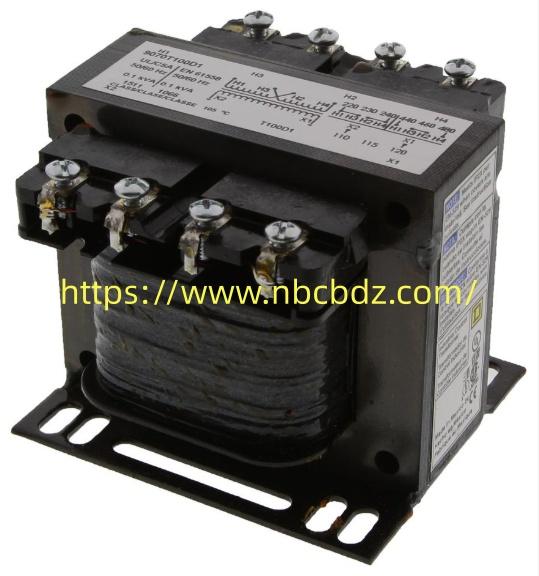
Inside an industrial control cabinet, dependable operation relies on many components working together without disrupting one another. A transformer may appear to be a relatively simple part of the electrical assembly, but its construction can influence control circuit stability, wiring organization, and maintenance convenience. Selecting a BK Control Transformer Factory should therefore involve more than comparing product descriptions. Buyers need to understand how the transformer will interact with contactors, relays, control panels, sensors, and other equipment within the complete system.
The materials used in a control transformer determine how well its internal structure supports continuous operation. An EI magnetic core is commonly used in this type of design because its laminated construction provides a practical magnetic path and supports an organized winding arrangement. The quality and consistency of the electrical steel affect magnetic behavior, while the assembly of the laminations influences vibration and mechanical stability. Careful core preparation is important because uneven assembly can affect the way the transformer behaves after installation.
Winding materials deserve similar attention. Copper conductors are widely used because of their electrical properties and suitability for transformer winding processes. Their arrangement must correspond to the intended electrical design, while insulation materials separate winding sections and protect against unwanted electrical contact. Bobbins, insulating barriers, sleeves, and lead coverings all contribute to the internal construction. In industrial environments, the insulation system should also be considered in relation to heat, moisture, dust, and the expected operating conditions of the equipment.
A useful selection process begins with the control system itself. Buyers should identify which devices the transformer will supply and how the control circuit operates during normal running, startup, and switching events. A cabinet containing relays and contactors may have different requirements from a machine using electronic controllers or sensitive monitoring devices. The manufacturer's engineering team needs information about the circuit arrangement, connected loads, isolation requirements, available installation space, and wiring preferences. Providing electrical drawings and application details early can help prevent an otherwise suitable component from becoming difficult to integrate.
It is also important to evaluate how a supplier approaches customization. A standard transformer may fit a common control panel, but special equipment can require different terminal positions, mounting arrangements, winding configurations, or protective structures. Before placing a production order, buyers can request a sample and review it with their electrical engineers. This makes it possible to check whether the component fits the cabinet layout, whether wiring can be completed conveniently, and whether the design works with the intended control devices. Discussing revisions at this stage is generally easier than changing an established assembly process later.
The primary role of a control transformer is to provide the electrical supply required by control circuits while helping establish separation between the relevant circuits. Electrical isolation can support equipment protection and reduce the transfer of unwanted disturbances, depending on the overall system design. In practical applications, the transformer works alongside protective devices, grounding arrangements, wiring routes, and control components. Its performance should therefore be evaluated within the complete electrical installation rather than treated as an independent guarantee of system safety.
Industrial control cabinets also create challenges related to switching activity and electrical interference. Contactors, motors, and other equipment can introduce disturbances into nearby circuits. A properly selected transformer, combined with suitable wiring and installation practices, can help the control system operate more predictably. Engineers should consider conductor routing, terminal separation, enclosure ventilation, and the position of sensitive electronic devices. These details influence how effectively the transformer performs its role in the finished machine.
Manufacturing consistency is another important purchasing consideration. The internal windings must be arranged according to the approved design, insulation components must remain correctly positioned, and connections need to be secured carefully. Small variations during assembly can create differences between units, which may become inconvenient when equipment manufacturers need replacement components. Process inspections, incoming material checks, and final testing help identify manufacturing issues. Buyers should ask suppliers how they manage production records, inspect finished products, and maintain consistency when repeat orders are placed.
The installation experience is influenced by features that may receive little attention during initial product selection. Clearly arranged terminals can make wiring easier to follow, while suitable mounting points help technicians secure the component within a cabinet. Accessible connections can also simplify inspection and replacement. A practical external structure should allow enough room for wiring work without interfering with neighboring devices. When equipment is expected to undergo regular servicing, these design details can reduce unnecessary work for maintenance personnel.
Appearance is primarily functional in this application. The shape of the core, coil assembly, terminal direction, protective covering, and mounting structure all affect how the transformer fits into an electrical enclosure. A neat and consistent finish can support visual inspection and make the component easier to identify during assembly. Manufacturers may also adapt the external arrangement to match a customer's cabinet design, provided that the changes remain compatible with the electrical and insulation requirements.
Ningbo Chuangbiao Electronic Technology Co., Ltd. offers BK control transformers as part of its broader electronic transformer range. The company describes its manufacturing process as covering design, material procurement, production, quality assurance, and customer service. It also reports using approved material suppliers, CNC equipment, automated testing systems, and finished-product inspections. For customers with particular installation or circuit requirements, the company supports customized development based on supplied drawings or samples. More information about its transformer products is available at https://www.nbcbdz.com/product/.

 English
 Arabic
 French
 Spanish
 Portuguese
 Deutsch
 Turkish
 Dutch
 Italiano
 Romaian
 Portuguese (Brazil)
 Greek