


Top 7 Factors to Consider Before Hiring a Vinyl Flooring Supplier in Dubai
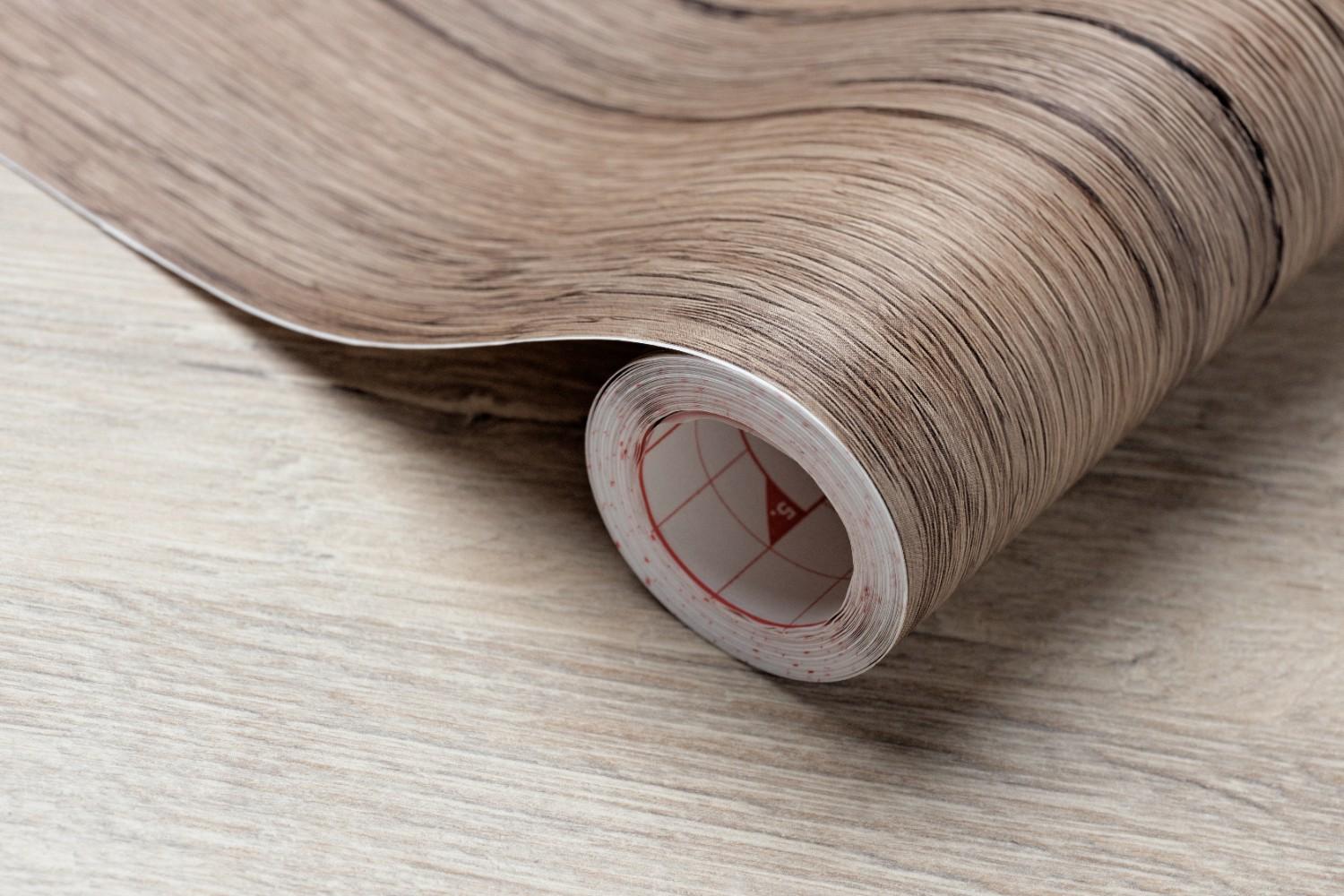
Choosing the right vinyl flooring supplier in Dubai is an important decision for homeowners, property developers, interior designers, and commercial property managers. Vinyl flooring has become a popular choice across the UAE because it combines attractive designs, practical performance, easy maintenance, and flexibility for different interior applications. From modern apartments and luxury villas to offices, retail outlets, hotels, and healthcare facilities, vinyl flooring offers solutions for a wide range of flooring requirements.
However, the quality of the final flooring project depends on more than the appearance of the selected material. Product quality, technical specifications, supplier experience, installation standards, pricing transparency, and after-sales support all influence the long-term performance of the floor. Choosing an unsuitable supplier can lead to problems such as surface damage, poor adhesion, uneven finishes, moisture-related issues, and unnecessary maintenance expenses.
With numerous flooring providers operating in Dubai, comparing suppliers carefully before making a commitment can help you avoid costly mistakes. Understanding the following seven factors will help you identify a reliable vinyl flooring supplier and select a flooring solution that meets your property's functional and aesthetic requirements.
1. Product Quality and Material Standards
Product quality should be the first consideration when selecting a vinyl flooring supplier in Dubai. A reliable supplier should provide clearly specified flooring products with suitable wear layers, stable construction, durable surface finishes, and documented technical information to ensure the material performs according to the requirements of your property.
Vinyl flooring is available in different constructions, including Luxury Vinyl Tiles (LVT), Luxury Vinyl Planks (LVP), Stone Plastic Composite (SPC), and traditional vinyl sheet flooring. Each option offers different characteristics in terms of appearance, installation requirements, comfort, and durability.
For example, SPC flooring features a rigid core that provides dimensional stability, while LVT flooring offers a wide range of realistic wood, stone, and decorative designs. Commercial-grade vinyl products generally have thicker wear layers than many residential products, making them suitable for areas experiencing frequent foot traffic.
Before purchasing, examine the following product characteristics:
-
Wear layer thickness: A thicker wear layer generally provides better resistance to everyday surface wear and scratching.
-
Core construction: Understand whether the product uses a flexible, rigid, or composite core.
-
Surface protection: Check whether the flooring includes protective coatings that help resist stains and everyday damage.
-
Dimensional stability: Look for products designed to maintain their shape under normal indoor temperature variations.
-
Product certification: Request available technical datasheets, manufacturer specifications, and relevant testing documentation.
Do not select vinyl flooring based on appearance alone. Ask the supplier to provide physical samples so you can examine the surface texture, locking mechanism, finish, and overall construction.
A dependable Vinyl Flooring Dubai Supplier should be willing to explain the differences between available products and recommend materials based on the actual conditions of your space rather than simply promoting the most expensive option.
2. Supplier Experience and Industry Knowledge
A supplier's industry experience plays a significant role in determining the reliability of your flooring project. Experienced suppliers understand the differences between residential and commercial applications, can identify suitable flooring specifications, and are better equipped to address common installation challenges.
Dubai's flooring market serves a diverse range of properties, including residential developments, hospitality projects, offices, educational institutions, retail spaces, and healthcare facilities. Each environment has different performance requirements. A flooring product suitable for a bedroom may not necessarily be appropriate for a busy commercial corridor or specialist healthcare environment.
An experienced supplier should understand how factors such as foot traffic, subfloor condition, moisture exposure, cleaning requirements, and furniture loads influence flooring selection.
Evaluating Professional Experience
Before choosing a supplier, consider checking:
-
Years of operation: Look for a company with an established presence in the flooring industry.
-
Project portfolio: Review completed residential, commercial, and hospitality flooring projects.
-
Technical understanding: Assess whether the team can explain product specifications and installation requirements clearly.
-
Product knowledge: Check whether they offer different vinyl flooring categories rather than relying on a limited selection.
-
Customer feedback: Review independent testimonials and available customer experiences.
Ask whether the supplier has handled projects similar to yours. For instance, installing vinyl flooring in a residential apartment involves different considerations from supplying flooring for a large office or retail environment.
It is also helpful to compare several established Flooring Companies in Dubai to understand their service capabilities, product ranges, and project experience.
A knowledgeable supplier should ask questions about your property before recommending a product. This consultation demonstrates that the company is considering practical requirements rather than treating every flooring project as identical.
3. Product Variety and Design Options
A good vinyl flooring supplier should offer a diverse product collection that allows customers to select flooring according to their interior design preferences, functional needs, and available budget. Having access to multiple colours, patterns, textures, and product formats makes it easier to achieve a consistent finish throughout a property.
Vinyl flooring has developed considerably in terms of design and manufacturing. Modern collections can reproduce the appearance of natural oak, walnut, marble, limestone, ceramic tiles, and other decorative surfaces. These designs allow property owners to achieve sophisticated interior finishes without necessarily choosing traditional materials.
When evaluating a supplier's collection, consider the following options:
-
Wood-effect vinyl flooring: Suitable for creating warm, natural-looking interiors in apartments, villas, bedrooms, and living spaces.
-
Stone-effect vinyl flooring: Offers a contemporary appearance for kitchens, offices, and modern commercial interiors.
-
Luxury Vinyl Tiles: Available in different shapes, patterns, and decorative finishes for customised flooring designs.
-
SPC flooring: A rigid-core option often selected for projects requiring dimensional stability.
-
Commercial vinyl flooring: Designed for environments where durability, maintenance, and regular foot traffic are major considerations.
-
Water-resistant vinyl flooring: Suitable for selected moisture-prone interior applications, depending on the manufacturer's specifications.
Matching Designs with Interior Requirements
The selected flooring should complement your property's furniture, wall finishes, lighting, and overall architectural style. Lighter wood-effect designs can make smaller rooms feel more open, while darker finishes may create a more defined and sophisticated appearance.
Request physical samples and examine them under the lighting conditions of your property. A flooring design may look different in a showroom compared with a room receiving natural sunlight or artificial lighting.
Also check whether the supplier can maintain consistent product availability across larger projects. This is particularly important when flooring multiple rooms or completing phased commercial developments.
A supplier with a well-organised product range can help you balance visual appeal, functionality, and long-term maintenance requirements.
4. Professional Installation and Technical Support
Professional installation is essential for achieving a smooth, durable, and visually consistent vinyl flooring finish. Even high-quality flooring materials can develop problems when installed incorrectly, particularly when the subfloor has not been prepared properly or the recommended installation procedures are ignored.
Before hiring a supplier, determine whether the company provides installation services or works with qualified installation professionals. A complete flooring service should include site assessment, material recommendations, subfloor preparation, installation, finishing, and a final inspection.
Important Installation Considerations
Several technical details influence the quality of a vinyl flooring installation:
-
Subfloor preparation: The existing surface should be clean, dry, stable, and sufficiently level according to the product manufacturer's requirements.
-
Moisture assessment: Concrete subfloors should be checked for moisture conditions using appropriate testing methods.
-
Expansion requirements: Floating vinyl flooring systems may require suitable expansion gaps around walls and fixed structures.
-
Adhesive selection: Glue-down products should use compatible adhesives recommended for the flooring system.
-
Joint alignment: Vinyl planks and tiles should be installed with consistent spacing and proper alignment.
-
Finishing details: Skirting, transition profiles, door thresholds, and edges should be completed carefully.
For Dubai properties, installation planning should also consider indoor temperature conditions, air-conditioning systems, material acclimatisation requirements, and the manufacturer's recommendations.
Do not assume every vinyl flooring product uses the same installation method. Click-lock SPC flooring, glue-down LVT, and vinyl sheet flooring require different procedures.
Before confirming an order, request a clear explanation of the installation process, estimated project duration, site preparation responsibilities, and any additional charges.
A professional supplier should also inspect the completed installation and address any visible defects before handing over the project.
5. Transparent Pricing and Overall Project Costs
Transparent pricing helps customers compare suppliers accurately and avoid unexpected expenses during a flooring project. A reliable supplier should provide a detailed quotation covering the flooring material, installation charges, preparation work, accessories, transportation, and any additional services required for the property.
Vinyl flooring prices in Dubai vary depending on product construction, wear layer thickness, brand, design, installation method, and project size. Premium SPC and LVT products may cost more than basic vinyl options, but their specifications and suitability for the intended application should justify the additional investment.
When requesting quotations, make sure each supplier is pricing comparable products. A low-cost quotation may include a thinner wear layer, limited warranty coverage, or fewer installation services.
Understanding the Complete Cost
Ask suppliers to clarify the following expenses:
-
Material cost: The price per square metre of the selected vinyl flooring.
-
Installation cost: Labour charges for fitting the flooring.
-
Subfloor preparation: Additional work required to repair, clean, level, or prepare the existing surface.
-
Accessories: Skirting, underlays where required, transition strips, profiles, and adhesives.
-
Removal charges: Costs associated with removing existing flooring, if applicable.
-
Transportation: Delivery charges and material handling expenses.
-
Additional work: Door adjustments, threshold finishing, or other site-specific requirements.
It is also advisable to ask whether the quotation includes VAT and how much material allowance has been included for cutting waste.
Request a written quotation rather than relying on verbal estimates. This provides a clear record of the agreed specifications, quantities, services, and payment terms.
The cheapest supplier is not always the most economical choice. Consider the expected service life, maintenance requirements, installation quality, and warranty conditions when evaluating the total project cost.
6. Warranty Coverage and After-Sales Support
Warranty coverage and after-sales support provide additional confidence when purchasing vinyl flooring. A trustworthy supplier should clearly explain the manufacturer's product warranty, installation workmanship coverage where offered, and the process for reporting problems after the project has been completed.
Vinyl flooring is designed for everyday use, but its performance can depend on installation quality, maintenance practices, environmental conditions, and the suitability of the selected product.
A warranty may cover certain manufacturing defects, premature wear, or specific product-related issues. However, coverage varies between manufacturers and product collections. Some warranties may exclude damage caused by improper installation, unsuitable cleaning chemicals, excessive moisture, or failure to follow maintenance instructions.
Reviewing Warranty Conditions
Before purchasing, ask the supplier to clarify:
-
Warranty duration: How long does the manufacturer cover the selected product?
-
Coverage details: Which manufacturing or performance-related defects are included?
-
Installation warranty: Is there separate protection for installation workmanship?
-
Exclusions: What conditions or types of damage are not covered?
-
Claim procedure: What documents, photographs, or inspections are required?
-
Replacement availability: Can matching flooring materials be sourced if repairs become necessary?
A reliable supplier should provide written warranty documentation and explain the manufacturer's recommended cleaning and maintenance procedures.
After-sales support is particularly valuable for commercial properties, where flooring problems can affect daily operations. A responsive service team can help investigate installation concerns, explain maintenance requirements, and coordinate appropriate solutions.
Avoid suppliers who make broad warranty promises without providing supporting documents. Always review the actual warranty terms before making a payment.
7. Customer Reviews, Reputation, and Business Reliability
A supplier's reputation provides useful insight into how the company manages customer relationships, product delivery, installation responsibilities, and after-sales service. Reviewing independent customer feedback and verifying business information can help you distinguish established flooring providers from companies offering limited or unreliable services.
Before making your decision, research the supplier's online presence and available project history. Google Business Profile reviews, customer testimonials, completed project photographs, and independent business listings can help you understand the company's service quality.
However, reviews should be evaluated carefully rather than judged by star ratings alone.
Look for detailed feedback that discusses:
-
Product quality and whether materials matched the original specifications.
-
Communication during the quotation and ordering process.
-
Delivery timelines and product availability.
-
Installation workmanship and attention to detail.
-
Handling of customer complaints and warranty claims.
-
Overall satisfaction with the completed flooring project.
It is also useful to ask the supplier for references or examples of recently completed projects, particularly when planning a large commercial installation.
Verifying Business Reliability
Check whether the company provides clear business contact information, a professional quotation, written product specifications, and proper documentation for the transaction.
A dependable supplier should be transparent about material sourcing, payment terms, delivery schedules, and project responsibilities. They should also avoid pressuring customers into making immediate decisions without allowing sufficient time to compare products and quotations.
Communication is another important indicator. If a supplier responds clearly to technical questions before receiving an order, it provides a better indication of how the company may handle your project after the sale.
Taking time to evaluate a supplier's reputation can help reduce uncertainty and establish a more reliable working relationship.
Conclusion
Hiring the right vinyl flooring supplier in Dubai requires careful consideration of product quality, industry experience, design variety, installation expertise, transparent pricing, warranty coverage, and business reputation. Each factor contributes to the overall performance, appearance, and long-term value of your flooring investment.
Rather than choosing a supplier based solely on the lowest quotation or most attractive product display, compare the complete service offering and verify the technical details of the materials being recommended. Request physical samples, review completed projects, understand installation responsibilities, and obtain written confirmation of pricing and warranty conditions.
Whether you are renovating an apartment, upgrading a villa, fitting out an office, or planning a commercial development, selecting a knowledgeable and dependable supplier can make the entire process more straightforward.
A professional flooring partner will help you choose suitable materials, plan the installation correctly, and maintain the quality of the finished surface. By evaluating these seven factors before making a decision, you can move forward with greater confidence and invest in vinyl flooring that meets your property's design, performance, and maintenance requirements.

 English
 Arabic
 French
 Spanish
 Portuguese
 Deutsch
 Turkish
 Dutch
 Italiano
 Russian
 Portuguese (Brazil)
 Greek