


Bicycle Wall Mount: A Complete Guide to Space-Saving Bicycle Storage in South Africa
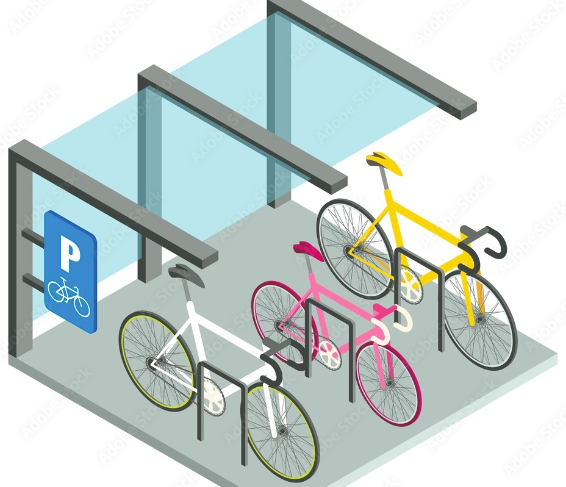
Cycling is a popular activity in South Africa, with people using bicycles for daily transportation, fitness, recreation, and outdoor adventures. As bicycle ownership increases, finding suitable storage space becomes an important consideration. Garages, apartments, storage rooms, and homes may have limited floor space, making organised bicycle storage a practical necessity.
A bicycle wall mount provides an effective way to store a bicycle without occupying unnecessary floor space. It allows bicycles to be positioned against a wall using specially designed mounting equipment. Depending on the design, a bicycle can be stored vertically or horizontally.
Understanding the different types of bicycle wall mounts, their installation requirements, and maintenance considerations can help bicycle owners create organised and accessible storage areas.
What Is a Bicycle Wall Mount?
A bicycle wall mount is a storage system designed to hold a bicycle securely against a wall when it is not in use. It generally consists of hooks, brackets, supporting arms, or mounting frames attached to a suitable wall surface.
These storage systems are available in different configurations to accommodate various bicycle sizes, weights, and frame designs.
Some bicycle wall mounts support the bicycle through its wheels, while others use the frame as the main contact point. The choice depends on the bicycle's construction and the mounting system's intended design.
In South African homes, bicycle wall mounts are commonly considered for garages, apartment storage areas, workshops, and dedicated cycling spaces.
Different Types of Bicycle Wall Mounts
Bicycle wall mounts are available in several designs, each offering different storage arrangements.
1. Vertical Bicycle Wall Mount
A vertical bicycle wall mount holds the bicycle in an upright position, generally by supporting one of its wheels.
This design can be useful in smaller storage areas because it reduces the amount of horizontal wall space required. It is commonly considered for garages and compact storage rooms.
Before installation, the available wall height and clearance should be checked to ensure that the bicycle fits comfortably.
2. Horizontal Bicycle Wall Mount
A horizontal bicycle wall mount keeps the bicycle parallel to the wall. Depending on the design, it may support the bicycle through its frame or designated contact points.
This arrangement allows the bicycle to remain at a convenient height and can provide easy access when mounting or removing it.
Horizontal storage may require more wall width than vertical storage, particularly for bicycles with wide handlebars.
3. Foldable Bicycle Wall Mount
Foldable bicycle wall mounts feature supporting arms that can be folded towards the wall when they are not being used.
This design can help maintain an organised storage area and reduce unnecessary obstruction. It may be particularly useful in shared garages and smaller residential spaces.
The folding mechanism should be inspected regularly to ensure that it operates correctly.
4. Adjustable Bicycle Wall Mount
Adjustable bicycle wall mounts allow certain mounting positions or support arms to be changed according to the bicycle's dimensions.
These systems can accommodate different frame geometries and handlebar configurations, depending on their design.
Correct adjustment is important to ensure that the bicycle remains balanced and properly supported.
Benefits of Using a Bicycle Wall Mount
A bicycle wall mount offers several practical benefits for bicycle owners.
- Space Efficiency: Wall-mounted storage helps free up floor space in garages, apartments, and storage rooms.
- Improved Organisation: A designated storage position keeps bicycles arranged neatly.
- Easy Accessibility: Proper positioning allows bicycles to be accessed when required.
- Reduced Clutter: Storing bicycles against walls helps create more usable space for other household equipment.
- Flexible Storage: Different mounting designs can accommodate various bicycle types and storage requirements.
- Multiple Bicycle Arrangements: Several mounts can be installed in a suitable space to organise more than one bicycle.
These advantages make bicycle wall mounts a practical consideration for households with limited storage space.
Factors to Consider When Choosing a Bicycle Wall Mount
Selecting a suitable bicycle wall mount requires attention to several important factors.
Bicycle Weight
The weight of the bicycle should match the mounting system's specified load capacity. Heavier bicycles, including electric bicycles and certain mountain bikes, may require stronger mounting arrangements.
The combined weight of the bicycle and any attached accessories should also be considered.
Wall Construction
Wall material influences the type of mounting hardware required. Concrete, brick, and timber walls have different fixing requirements.
The mounting system should be installed using suitable hardware designed for the specific wall construction. Plasterboard alone may not provide adequate structural support unless an appropriate fixing system is used.
Bicycle Frame Compatibility
Different bicycle models have different frame shapes, wheel sizes, and handlebar dimensions. A wall mount should support the bicycle at appropriate contact points without putting unnecessary pressure on sensitive components.
Available Space
The dimensions of the bicycle and the available wall area should be measured before installation. Sufficient clearance should be maintained around the handlebars, pedals, wheels, and surrounding objects.
Protective Design
Some bicycle wall mounts include rubber or padded contact surfaces. These features can help reduce scratches and protect bicycle finishes during storage.
How to Install a Bicycle Wall Mount
Proper installation is essential for safe and reliable bicycle storage.
The installation area should first be inspected to determine whether the wall can support the expected load. The manufacturer's installation instructions should be followed when selecting mounting hardware and determining the correct fixing positions.
The mounting location should provide sufficient clearance for placing and removing the bicycle. It should also be positioned away from frequently used walkways and areas where accidental contact may occur.
For heavy bicycles or uncertain wall conditions, professional installation may be appropriate.
Once installed, the mounting system should be checked for stability before the bicycle is placed on it.
Maintaining a Bicycle Wall Mount
Regular maintenance helps preserve the condition and reliability of a bicycle wall mount.
The mounting brackets, screws, hooks, and supporting arms should be inspected for signs of corrosion, bending, loosening, or damage. Protective coatings should also be checked for wear.
Dust and dirt can be removed using a clean cloth. In areas exposed to moisture, periodic inspections can help identify rust or deterioration.
The bicycle should always be stored according to the mounting system's intended design and specified weight capacity.
Conclusion
A bicycle wall mount is a practical storage solution for South African households looking to organise bicycles while making better use of available space. Vertical, horizontal, foldable, and adjustable designs provide different options for accommodating various bicycle types.
Before selecting a bicycle wall mount, individuals should consider bicycle weight, frame compatibility, wall construction, available space, and installation requirements. Regular inspections and appropriate maintenance can also help ensure that the storage arrangement remains reliable over time.

 English
 Arabic
 French
 Portuguese
 Deutsch
 Turkish
 Dutch
 Italiano
 Russian
 Romaian
 Portuguese (Brazil)
 Greek