


Cobra Irons: A Complete Guide to Golf Iron Features and Selection in South Africa
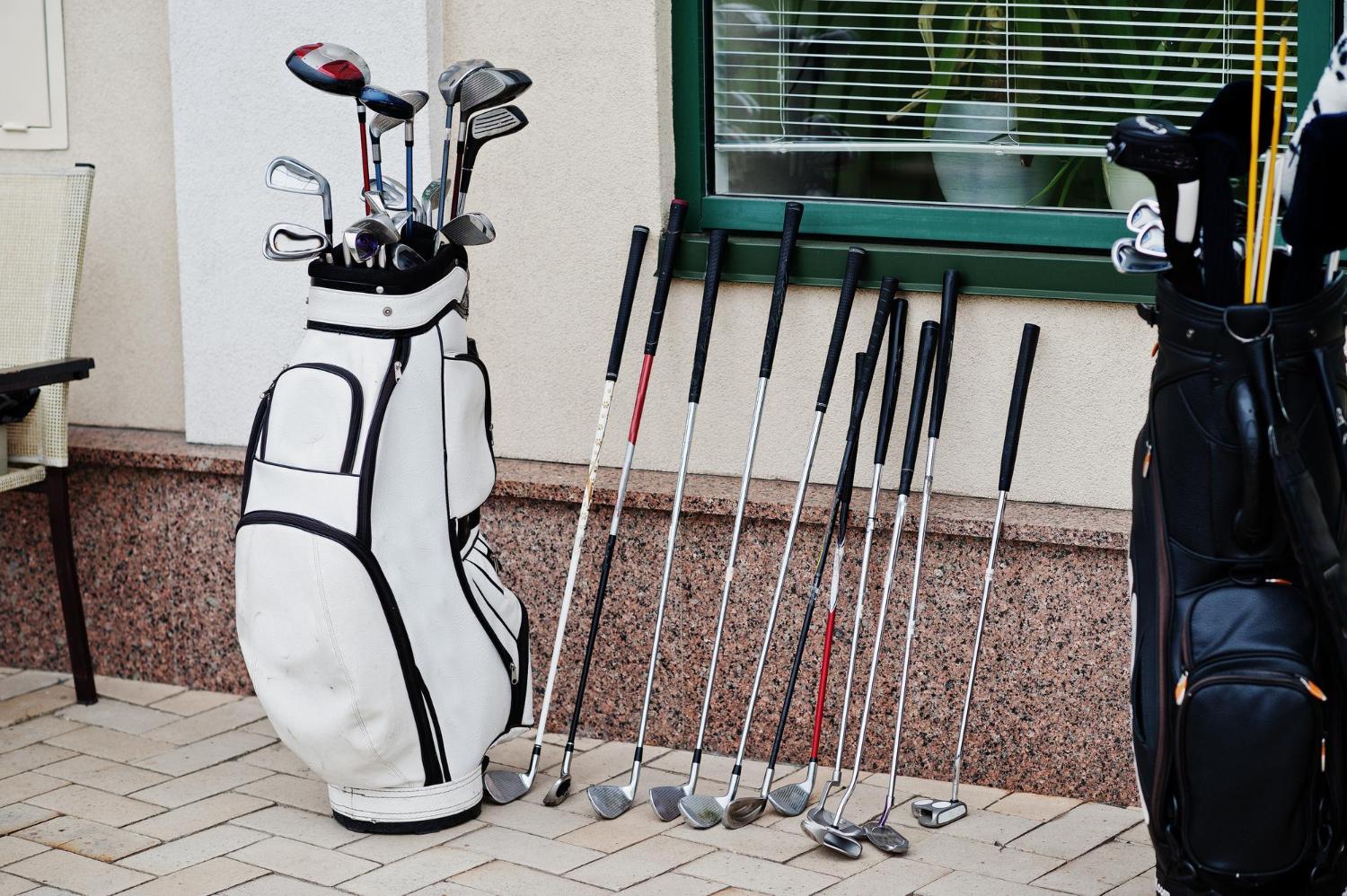
Golf is a popular recreational and competitive sport in South Africa, attracting players with different experience levels and playing abilities. Choosing suitable golf equipment is an important part of developing a consistent playing approach. Among the different clubs used during a round, irons play an essential role in approach shots, distance control, and accuracy.
Cobra Irons are a commonly researched golf equipment category among players interested in clubhead design, shaft specifications, construction materials, and playing characteristics. Understanding the features of golf irons can help South African golfers make informed decisions based on their individual requirements and playing preferences.
This guide explores the different types of golf irons, their technical features, and the factors that influence their selection and maintenance.
What Are Cobra Irons?
Cobra Irons are golf clubs designed primarily for approach shots from the fairway, rough, and other playing positions. They generally feature metal clubheads with angled faces that help lift the golf ball into the air.
Golf irons are available in different numbered configurations, with each number representing a particular loft and intended distance range. Lower-numbered irons generally produce longer shots with lower trajectories, while higher-numbered irons are designed for shorter distances and higher ball flights.
A suitable iron selection depends on swing speed, playing ability, preferred ball trajectory, and individual comfort.
Different Types of Cobra Irons
Golf irons are available in different designs to accommodate varying playing requirements.
1. Cavity-Back Irons
Cavity-back irons feature a recessed section behind the clubface. This design allows weight to be distributed towards the outer sections of the clubhead.
The additional perimeter weighting can increase forgiveness during off-centre contact. These irons are often considered suitable for beginners and recreational golfers who prioritise consistency.
2. Blade Irons
Blade irons feature a relatively compact clubhead with a more traditional appearance. Their weight distribution and construction provide different feedback characteristics during ball contact.
These irons are generally preferred by experienced golfers who value shot control and the ability to shape ball flight.
However, they may require more consistent contact than larger cavity-back designs.
3. Game-Improvement Irons
Game-improvement irons are designed to support golfers who want additional forgiveness and easier launch conditions.
They may feature wider soles, larger clubheads, and carefully positioned weight distribution. These characteristics can help improve consistency across different impact locations.
4. Players' Distance Irons
Players' distance irons combine relatively compact designs with construction features intended to support ball speed and distance.
They are generally positioned between traditional players' irons and larger game-improvement models.
Their suitability depends on the golfer's swing characteristics and preferred playing experience.
Important Features of Cobra Irons
Several technical features influence the design and performance of golf irons.
Clubhead Construction
Clubheads can be manufactured using different materials and construction methods. Stainless steel and other engineered materials are commonly used in golf iron production.
Some irons feature forged construction, while others use cast manufacturing methods. These approaches can influence the clubhead's structure, feel, and design characteristics.
Loft and Lie Angle
Loft refers to the angle of the clubface and influences the ball's launch trajectory. Different iron numbers have different loft specifications.
Lie angle describes the relationship between the shaft and the sole of the clubhead. An appropriate lie angle can support consistent contact and directional control.
Weight Distribution
The positioning of weight within an iron affects its centre of gravity and overall stability.
Some designs distribute weight towards the perimeter or lower section of the clubhead to support forgiveness and launch characteristics.
Shaft Flexibility
The shaft connects the grip to the clubhead and influences how the club responds during the swing.
Common shaft flexibility categories include extra stiff, stiff, regular, senior, and ladies' flex.
Shaft weight, material, and length should also be considered when evaluating an iron set.
Clubface Design
The clubface makes direct contact with the golf ball. Its thickness, grooves, and construction can influence ball speed, spin, and contact characteristics.
Clean grooves are particularly important for maintaining consistent interaction between the clubface and the golf ball.
Benefits and Playing Characteristics of Golf Irons
Golf irons serve several important purposes during a round.
- Distance Control: Different iron numbers allow golfers to select clubs according to the required playing distance.
- Approach Accuracy: Irons are commonly used to position the ball closer to the green.
- Shot Versatility: Different loft configurations support a variety of ball trajectories.
- Forgiveness: Certain clubhead designs help reduce the effects of off-centre contact.
- Playing Consistency: Suitable iron specifications can support repeatable contact and predictable shot patterns.
The actual results depend on individual swing mechanics, equipment specifications, and playing conditions.
Factors South African Golfers Should Consider When Choosing Cobra Irons
Golf courses throughout South Africa feature different landscapes, including coastal layouts, inland courses, elevated fairways, and varied ground conditions.
When researching Cobra Irons, golfers should consider several factors.
Playing Ability: Beginners may prefer forgiving cavity-back designs, while experienced players may consider more compact iron constructions.
Swing Speed: Shaft flexibility and weight should correspond with the golfer's swing characteristics.
Club Length: Appropriate club length supports comfortable positioning and consistent contact.
Course Conditions: Fairway firmness, rough thickness, and green conditions can influence iron selection.
Set Composition: An iron set should provide suitable distance gaps between clubs without unnecessary overlap.
Budget and Condition: When evaluating previously owned irons, golfers should inspect the clubheads, grooves, shafts, and grips for damage or excessive wear.
Importance of Golf Iron Fitting
Golf iron fitting involves evaluating club specifications according to an individual's physical measurements and playing characteristics.
A professional fitting assessment may consider height, wrist-to-floor measurement, swing speed, ball flight, and impact location.
These measurements can help determine suitable shaft length, shaft flexibility, lie angle, and grip size.
For South African golfers, a fitting assessment can provide useful information when comparing different iron configurations.
Maintaining Cobra Irons
Regular maintenance helps preserve the condition and performance of golf irons.
Clubheads should be cleaned after playing to remove grass, soil, and other debris. The grooves should remain free from dirt to maintain their intended interaction with the golf ball.
Golfers should also inspect shafts for visible damage and check grips for signs of wear. Clubs should be stored in a dry location to reduce the possibility of corrosion.
Regular maintenance can help extend equipment life and maintain consistent playing conditions.
Conclusion
Cobra Irons are designed to support different aspects of golf through varied clubhead constructions, loft configurations, shaft specifications, and weight distribution systems.
For South African golfers, understanding the differences between cavity-back, blade, game-improvement, and players' distance irons can help with equipment selection. Considering playing ability, swing characteristics, course conditions, and maintenance requirements also supports a more informed approach to choosing suitable golf irons.

 English
 Arabic
 French
 Spanish
 Portuguese
 Deutsch
 Turkish
 Italiano
 Russian
 Romaian
 Portuguese (Brazil)
 Greek