


How Does Tajmeels Clinic Assess Facial Skin Laxity Before Endolift?
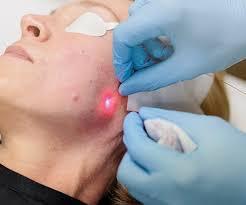
Facial skin laxity is a common concern that develops gradually as the skin loses elasticity, collagen production decreases, and underlying facial structures change with age. These changes may become noticeable through loose cheeks, early jowls, reduced jawline definition, and sagging around the lower face. For individuals exploring non-surgical facial rejuvenation, Endolift in Dubai is an option that may be considered after a professional skin assessment.
Before recommending any treatment, understanding the condition of the skin is essential. A detailed assessment helps determine whether Endolift is appropriate, which facial areas may benefit, and what outcomes can realistically be expected. Tajmeels Clinic follows an individualised assessment approach to evaluate facial skin laxity before developing a suitable treatment plan.
Understanding Facial Skin Laxity
Facial skin laxity refers to the gradual loss of firmness and elasticity. Healthy skin contains collagen and elastin, which help maintain its structure and flexibility. As these proteins decrease with age, the skin may become thinner, less resilient, and more prone to sagging.
Several factors can contribute to facial skin laxity, including:
-
Natural ageing and reduced collagen production.
-
Changes in facial fat distribution.
-
Significant weight loss or weight fluctuations.
-
Environmental exposure and prolonged sun exposure.
-
Genetic factors affecting skin quality.
-
Lifestyle habits that influence skin health.
Not everyone experiences these changes in the same way. Some individuals develop mild looseness around the cheeks, while others notice more visible sagging around the jawline and neck. Identifying these differences is an important part of treatment planning.
Why Is Skin Laxity Assessment Important Before Endolift?
Endolift is a minimally invasive laser-based procedure that uses a thin optical fibre inserted beneath the skin to deliver laser energy to targeted tissue. It is designed to support tissue tightening and stimulate collagen-related changes.
However, the treatment is not suitable for every person or every degree of skin sagging. A professional assessment helps determine whether the expected benefits are appropriate for the patient's concerns.
The evaluation may help identify:
-
The severity and location of skin looseness.
-
Areas with reduced firmness.
-
Skin thickness and elasticity.
-
Facial fat distribution.
-
Existing skin conditions.
-
Individual expectations and treatment goals.
This process also helps distinguish concerns that may respond to Endolift from those requiring a different treatment approach.
How Does Tajmeels Clinic Evaluate Facial Skin Laxity?
A structured consultation involves reviewing different aspects of facial appearance and skin condition. Each factor contributes to understanding whether Endolift may be an appropriate option.
1. Reviewing Facial Structure and Skin Concerns
The initial assessment focuses on the patient's main concerns. The practitioner reviews areas such as the cheeks, lower face, jawline, and under-chin region to understand where looseness is most noticeable.
Some individuals primarily experience early jowl formation, while others are concerned about reduced jawline definition or loose skin beneath the chin.
Understanding the patient's priorities helps establish which areas require further evaluation.
2. Checking Skin Elasticity
Skin elasticity describes the skin's ability to return to its original position after being stretched or moved. Reduced elasticity can contribute to a loose or less firm appearance.
During the consultation, the practitioner may assess skin movement, resilience, and visible laxity. This provides useful information about the skin's current condition.
Skin elasticity is particularly important because individuals with different levels of skin firmness may respond differently to collagen-stimulating treatments.
3. Evaluating Skin Thickness and Quality
Skin thickness and overall quality can influence treatment planning. Thinner skin, uneven texture, and existing skin damage may require additional consideration.
The practitioner reviews the skin's appearance and condition to identify any concerns that could affect treatment suitability.
A complete evaluation may also include reviewing previous aesthetic procedures, skin sensitivity, and relevant medical history.
4. Assessing Facial Fat Distribution
Facial fullness and skin looseness are not always the same concern. Some individuals have excess fat beneath the chin or around the lower cheeks, while others mainly experience loose skin.
The practitioner evaluates these differences to understand the underlying reason for changes in facial definition.
This distinction is important because Endolift treatment planning depends on the area being addressed and the patient's individual anatomy.
5. Discussing Medical History and Previous Treatments
Before recommending Endolift, reviewing medical history is an important safety step.
Patients may be asked about previous cosmetic procedures, current medications, allergies, existing skin conditions, and relevant health concerns.
Previous treatments involving fillers, threads, or other energy-based procedures may also need to be discussed.
This information allows the practitioner to consider potential risks and determine whether additional assessment is necessary.
Identifying Suitable Facial Areas for Endolift
Different facial areas can present different types of skin laxity. Therefore, treatment planning should be based on individual concerns rather than applying the same approach to everyone.
Common areas evaluated include:
Lower cheeks: The assessment identifies whether reduced firmness or changes in facial volume contribute to a less defined appearance.
Jawline: Early jowls and reduced jawline definition may be reviewed to determine whether treatment could support improved contour.
Under-chin area: The practitioner evaluates whether the concern relates mainly to loose skin, localised fat, or a combination of both.
Neck: Skin quality, tissue condition, and the degree of laxity are considered before discussing possible treatment options.
Not every area will necessarily require treatment. The final recommendation depends on clinical findings and individual suitability.
Setting Realistic Expectations Before Treatment
An important part of the consultation is understanding what Endolift can and cannot achieve. Although the procedure is designed to support skin tightening and collagen stimulation, results vary between individuals.
Age, skin condition, tissue characteristics, treatment areas, and healing response can influence outcomes.
Patients should understand that Endolift is not a replacement for surgical lifting in cases of significant skin sagging. It may also take time for collagen-related changes to become noticeable.
Discussing realistic expectations helps patients make informed decisions rather than expecting immediate or identical results.
Endolift Assessment at Tajmeels Clinic in Dubai
At tajmeels clinic dubai, facial skin laxity assessment is an important step before considering Endolift treatment. The clinic's approach focuses on understanding individual facial anatomy, skin elasticity, treatment goals, and relevant medical history. Based on the consultation findings, an appropriate treatment recommendation can be discussed. Patients can also learn about the procedure, expected recovery, possible limitations, and aftercare requirements before making a decision. This personalised approach supports informed treatment planning and helps ensure that recommendations are based on individual needs rather than general assumptions.
What Happens After the Endolift Assessment?
Once the assessment is complete, the practitioner discusses the findings and explains whether Endolift may be suitable.
If the patient is considered an appropriate candidate, the next steps may include:
-
Discussing the proposed treatment areas.
-
Explaining the procedure and preparation requirements.
-
Reviewing potential side effects and recovery expectations.
-
Providing personalised aftercare guidance.
-
Planning follow-up appointments when appropriate.
If Endolift is not suitable, alternative options may be discussed according to the patient's skin condition and goals.
Conclusion
Assessing facial skin laxity before Endolift is essential for understanding individual skin concerns, identifying suitable treatment areas, and setting realistic expectations. Evaluating skin elasticity, thickness, facial fat distribution, and medical history helps practitioners develop a more informed treatment plan. At Tajmeels Clinic, a personalised consultation allows patients considering Endolift in Dubai to understand their suitability and explore appropriate facial rejuvenation options.
More Information
Tajmeels Clinic Dubai
WhatsApp: +971 56 203 8751
Phone: tel:+971 43739000
Social Media:

 English
 Arabic
 French
 Spanish
 Portuguese
 Deutsch
 Turkish
 Dutch
 Italiano
 Russian
 Romaian
 Portuguese (Brazil)