


How Cognitive Activities Support Brain Development in Early Childhood
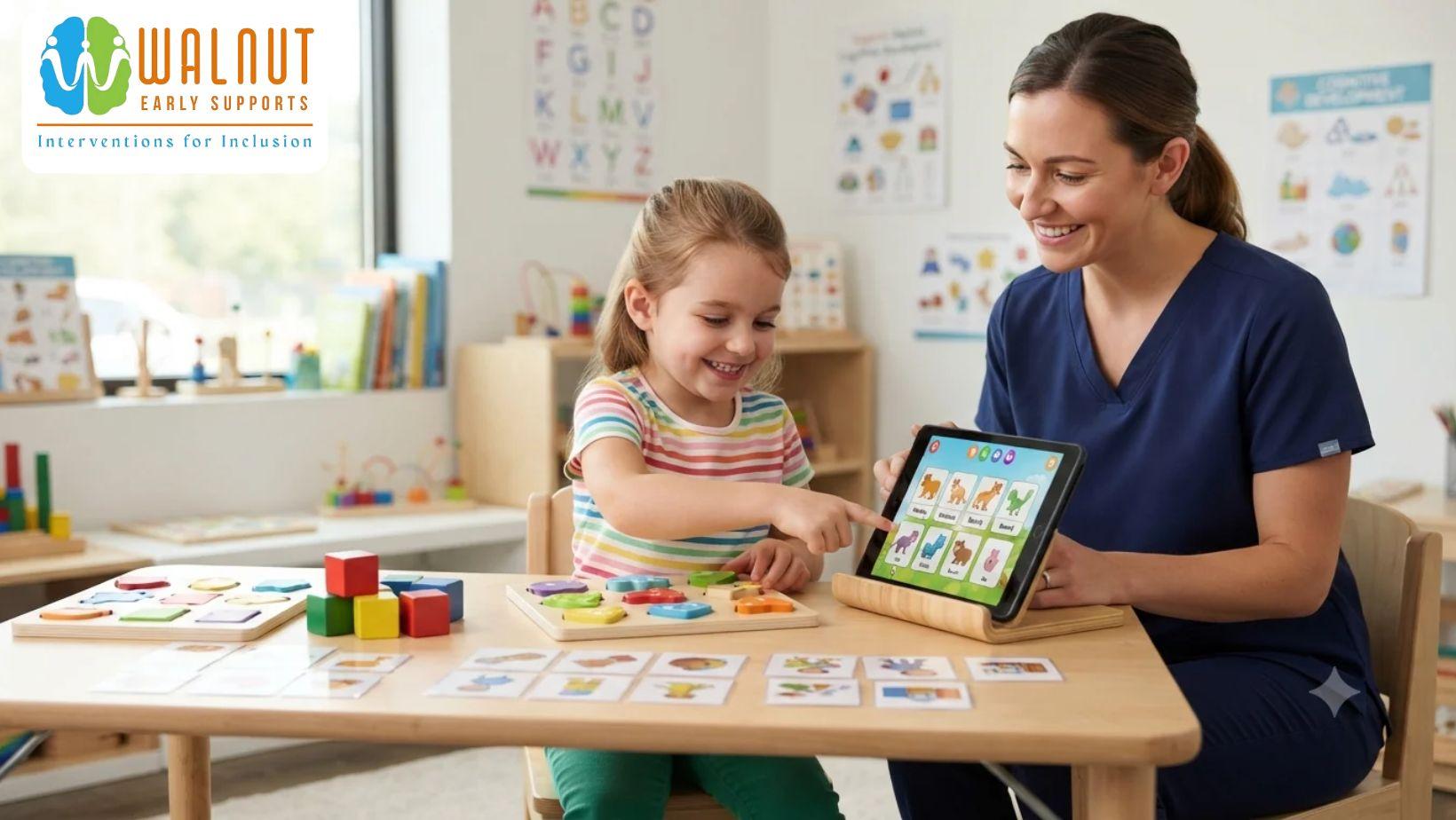
Early childhood is a period of remarkable growth and learning. During these years, children begin developing the skills they need to understand their surroundings, communicate with others and solve everyday problems. From recognising familiar faces to remembering instructions and exploring new objects, every experience contributes to their development.
The brain develops through a combination of everyday experiences, interactions and learning opportunities. Activities that encourage children to observe, remember, explore and make decisions can support the development of important thinking skills.
Games for Cognitive Development provide an enjoyable way to introduce these experiences. Through puzzles, matching activities, memory challenges and interactive learning games, children can practise essential cognitive skills while having fun.
Let's explore how cognitive activities support brain development in early childhood and how parents, educators and speech-language therapists can use them effectively.
What Is Brain Development in Early Childhood?
Brain development refers to the growth and organisation of the brain as children learn to process information, understand their environment and respond to different experiences.
During early childhood, children gradually develop several important cognitive abilities, including:
-
Memory: Remembering information, instructions and previous experiences.
-
Attention: Focusing on activities and noticing important details.
-
Language processing: Understanding words, sentences and instructions.
-
Problem-solving: Finding solutions to everyday challenges.
-
Logical thinking: Recognising patterns and understanding relationships.
-
Visual perception: Identifying objects, shapes, colours and differences.
These abilities are connected and often work together. For example, completing a simple puzzle requires a child to observe the pieces, remember their shapes, pay attention and decide where each piece belongs.
How Cognitive Activities Support Brain Development
Children learn by actively exploring their surroundings. Activities that involve thinking, observing and experimenting give them opportunities to practise different mental skills.
Here are some important ways these activities support early development.
1. Strengthen Memory and Information Processing
Memory helps children remember familiar objects, recognise people and follow instructions. It also plays an important role in learning new words and understanding everyday experiences.
Activities such as picture matching, remembering object locations and repeating simple sequences encourage children to recall information.
For example, parents can place three familiar objects on a table, allow the child to observe them and then hide one object. Asking the child to identify the missing item encourages observation and memory.
With regular practice, children get opportunities to use their memory in different situations.
2. Improve Attention and Concentration
Attention helps children focus on an activity, listen to instructions and complete simple tasks.
Some children may find it difficult to remain focused, particularly when activities are repetitive or too challenging. Short and engaging activities can make practising attention more enjoyable.
Finding hidden objects, identifying differences between pictures and completing simple puzzles encourage children to notice details.
Parents and educators can gradually increase the difficulty of these activities as children become more comfortable.
3. Encourage Logical Thinking and Problem-Solving
Children develop reasoning skills when they explore different possibilities and try to find solutions.
For example, while building a tower with blocks, a child may discover that the structure falls when the base is too narrow. They can experiment with different arrangements until they find a more stable design.
Similarly, sorting objects by colour, shape or size encourages children to compare information and recognise patterns.
These cognitive games provide opportunities to practise logical thinking, decision-making and flexible problem-solving.
4. Support Language and Communication Development
Brain development and language development are closely connected. Children use memory, attention and information processing to understand spoken language and communicate their thoughts.
Play-based activities create natural opportunities for language learning.
For example, during a picture-sequencing activity, an adult can ask:
-
What is happening in this picture?
-
What happened first?
-
What do you think will happen next?
-
Why do you think that happened?
These questions encourage children to listen, understand instructions, organise their thoughts and express ideas.
Speech-language therapists can use interactive speech therapy materials to combine communication goals with activities that encourage attention, memory and reasoning.
5. Develop Visual and Spatial Awareness
Visual-spatial skills help children understand how objects look, where they are positioned and how they relate to one another.
Activities involving building blocks, shape sorting, puzzles and picture identification can support these abilities.
For example, when children arrange blocks to recreate a simple structure, they need to observe shapes, understand positions and decide how different pieces fit together.
These experiences also provide opportunities to practise skills used in early reading, writing and classroom learning.
Useful Cognitive Activities for Young Children
Choosing activities according to a child's age and abilities can make learning more meaningful. Here are some simple ideas parents and educators can introduce.
|
Activity |
Skills supported |
|---|---|
|
Picture matching |
Memory and visual recognition |
|
Shape sorting |
Classification and logical thinking |
|
Building blocks |
Spatial awareness and problem-solving |
|
Simple puzzles |
Reasoning and concentration |
|
Picture sequencing |
Memory and understanding order |
|
Hidden-object games |
Attention and observation |
These activities can be introduced at home, in classrooms or during therapy sessions.
How Digital Cognitive Games Make Learning Interactive
Digital learning activities offer another way for children to practise thinking skills. Interactive games can combine colourful visuals, sounds, instructions and age-appropriate challenges to encourage participation.
Well-designed cognitive gaming activities may include memory tasks, pattern recognition, matching exercises and problem-solving challenges.
One advantage of digital activities is that children can receive immediate feedback and repeat tasks when necessary. Activities with different difficulty levels can also be adjusted according to individual learning needs.
However, digital learning should complement rather than replace hands-on play, outdoor exploration, reading and social interaction. Parents should choose suitable content and provide guidance during screen-based activities.
How Parents and Speech Therapists Can Encourage Cognitive Growth
Children benefit from regular opportunities to explore and practise new skills. Parents and professionals can make activities more effective by following a few simple approaches:
-
Start with simple activities: Choose tasks that match the child's current abilities.
-
Give clear instructions: Use short sentences and demonstrate activities when needed.
-
Encourage independent thinking: Allow children enough time to find answers.
-
Ask meaningful questions: Encourage children to describe what they see and explain their choices.
-
Increase challenges gradually: Introduce more complex tasks as children gain confidence.
-
Celebrate effort: Appreciate participation and encourage children to try again.
Parents and therapists can also explore suitable child development therapy resources to identify activities that support different developmental goals.
Speech therapy activities can further combine cognitive practice with listening comprehension, vocabulary, sentence formation and expressive language.
Conclusion
Early childhood provides valuable opportunities for children to develop the thinking skills they will use throughout life. Activities that encourage memory, attention, reasoning, language and problem-solving can make everyday learning more meaningful.
Games for Cognitive Development turn these learning opportunities into enjoyable experiences. Whether children are matching pictures, building structures, solving puzzles or participating in interactive activities, play encourages them to explore and understand the world around them.
Every child develops at a different pace. With appropriate activities, regular practice and encouragement from parents, educators and speech-language therapists, children can build a strong foundation for future learning and development.

 English
 Arabic
 French
 Spanish
 Portuguese
 Deutsch
 Turkish
 Dutch
 Italiano
 Romaian
 Portuguese (Brazil)
 Greek