


Why Do Some People Develop Forehead Wrinkles Earlier Than Others?
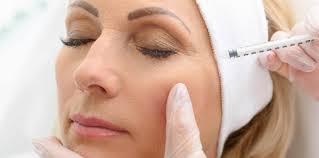
Forehead wrinkles are among the most common visible signs of facial ageing. However, some people notice fine lines and creases on their forehead much earlier than others, even when they are around the same age. These differences can be influenced by genetics, facial expressions, skin quality, sun exposure, lifestyle habits, and natural collagen loss. Understanding why forehead wrinkles develop early can help individuals make informed decisions about skincare and aesthetic treatments such as Botox in Dubai.
Forehead wrinkles may appear as fine horizontal lines, deeper creases, or vertical expression lines between the eyebrows. While ageing is a natural process, several internal and external factors influence when these lines become noticeable.
1. Genetics and Natural Skin Characteristics
Genetics plays an important role in determining how early a person develops forehead wrinkles. Some individuals naturally have thinner skin, lower collagen density, or facial structures that make expression lines more noticeable.
Collagen and elastin are essential proteins that support skin firmness and elasticity. People with naturally lower collagen levels may notice fine lines earlier than those whose skin maintains its structure for longer.
Family history can also provide some indication of how a person's skin may age. However, genetics is only one contributing factor and does not determine the exact timing or severity of forehead wrinkles.
2. Repeated Facial Expressions
One of the major reasons forehead wrinkles develop early is repeated facial movement. Every time someone raises their eyebrows, looks surprised, or concentrates, the forehead muscles contract and create temporary skin folds.
In younger skin, these lines generally disappear when the muscles relax because the skin has good elasticity. Over time, repeated movements can contribute to the formation of permanent expression lines.
People who frequently raise their eyebrows may notice horizontal forehead lines earlier than those with less pronounced facial movements.
Botox is sometimes considered for these concerns because it temporarily reduces activity in selected facial muscles, helping soften certain expression lines.
3. Sun Exposure and UV Damage
Regular exposure to ultraviolet (UV) radiation is another important contributor to premature forehead wrinkles. The forehead is frequently exposed to sunlight, making it vulnerable to cumulative environmental damage.
UV radiation can damage collagen and elastin fibres, reducing the skin's ability to maintain firmness. This process, commonly known as photoageing, may contribute to:
-
Early development of fine lines.
-
Reduced skin elasticity.
-
Uneven skin texture.
-
Increased dryness and roughness.
-
More noticeable forehead creases.
People who spend considerable time outdoors without adequate sun protection may experience visible signs of ageing earlier.
Using broad-spectrum SPF 30 or higher sunscreen, wearing protective clothing, and limiting excessive sun exposure can help protect the skin from further UV damage.
4. Dehydration and Poor Skin Hydration
Skin hydration can influence how noticeable forehead wrinkles appear. When the skin becomes dehydrated, it may look dull, feel tight, and develop more visible fine lines.
Dehydration does not necessarily cause permanent wrinkles, but it can make existing lines appear more pronounced.
Several factors may contribute to reduced skin hydration, including:
-
Inadequate water intake.
-
Excessive sun exposure.
-
Harsh skincare products.
-
Frequent use of hot water.
-
Environmental conditions.
-
An unsuitable skincare routine.
Using moisturisers containing ingredients such as hyaluronic acid and ceramides can support skin hydration. Maintaining consistent skincare habits may also improve the appearance of dehydration-related fine lines.
5. Lifestyle Habits and Premature Skin Ageing
Everyday habits can influence how quickly visible signs of ageing develop. Smoking, inadequate sleep, chronic stress, and an unbalanced diet may contribute to changes in skin quality.
Smoking exposes the body to chemicals that can damage collagen and reduce healthy blood circulation. Similarly, insufficient sleep may affect the skin's natural repair processes.
A balanced diet containing vegetables, fruits, healthy fats, and protein provides nutrients that support normal skin function.
Although lifestyle improvements cannot completely prevent wrinkles, healthy habits can help maintain overall skin quality and support long-term skin health.
6. Natural Collagen Loss With Age
Collagen production gradually decreases as people get older. This natural process reduces the skin's firmness and elasticity, making expression lines more likely to remain visible even when facial muscles are relaxed.
The timing and extent of collagen loss vary between individuals. Some people develop noticeable forehead creases in their twenties or thirties, while others may not experience prominent lines until later.
Age alone does not determine whether someone will develop forehead wrinkles. Skin thickness, genetics, environmental exposure, and facial movement all contribute to individual differences.
7. Can Botox Help With Early Forehead Wrinkles?
Botox is a commonly used injectable treatment for certain dynamic wrinkles caused by repeated muscle contractions. It works by temporarily blocking nerve signals responsible for activating selected muscles.
When administered appropriately, Botox may help soften horizontal forehead lines by reducing excessive muscle activity.
Potential benefits include:
-
Softening expression-related forehead lines.
-
Reducing the appearance of certain dynamic wrinkles.
-
Creating a smoother-looking forehead.
-
Helping prevent repeated muscle contractions from deepening expression lines during treatment.
However, Botox does not address every type of forehead wrinkle. Lines caused mainly by sun damage, skin laxity, or volume changes may require a different approach.
Results are temporary, and treatment effects commonly last around three to four months, although individual experiences vary.
Botox also carries potential risks, including bruising, swelling, headache, eyelid or eyebrow drooping, and unwanted changes in facial expression. A qualified medical professional should assess suitability, explain the risks, and discuss realistic expectations before treatment.
8. When Should You Consider a Professional Assessment?
Not everyone with forehead wrinkles needs an aesthetic procedure. Some individuals may benefit from improved skincare, sun protection, and lifestyle adjustments, while others may want to explore professional treatment options.
A consultation can help identify whether forehead lines are primarily related to muscle movement, skin ageing, dehydration, or environmental damage.
During an assessment, a medical professional may consider:
-
The depth and location of forehead wrinkles.
-
Facial muscle strength and movement.
-
Skin thickness and elasticity.
-
Previous aesthetic treatments.
-
Medical history and individual expectations.
This assessment helps determine whether Botox is appropriate or whether alternative skin treatments may better address the concern.
9. Botox Consultation at Tajmeels Clinic in Dubai
At tajmeels clinic dubai, individuals interested in addressing forehead wrinkles can explore personalised aesthetic treatment options through a professional consultation. The assessment may consider facial anatomy, muscle movement, skin condition, and individual aesthetic goals before discussing Botox suitability. Understanding the causes of forehead lines is important for developing an appropriate treatment plan that respects natural facial expressions. Patients should receive clear information about expected outcomes, possible side effects, aftercare, and treatment limitations before making a decision.
Conclusion
Developing forehead wrinkles earlier than others is influenced by several factors, including genetics, repeated facial expressions, sun exposure, dehydration, lifestyle habits, and natural collagen loss. Although these changes are a normal part of ageing, understanding their causes can help individuals make better skincare and aesthetic decisions. Professional assessment can also clarify whether Botox or another treatment is suitable for improving the appearance of forehead lines.
More Information
Tajmeels Clinic Dubai
WhatsApp: +971 56 203 8751
Phone: tel:+971 43739000
Social Media:

 English
 French
 Spanish
 Portuguese
 Deutsch
 Turkish
 Dutch
 Italiano
 Russian
 Romaian
 Portuguese (Brazil)
 Greek