


Skin Pigmentation in Dubai: Types and Causes
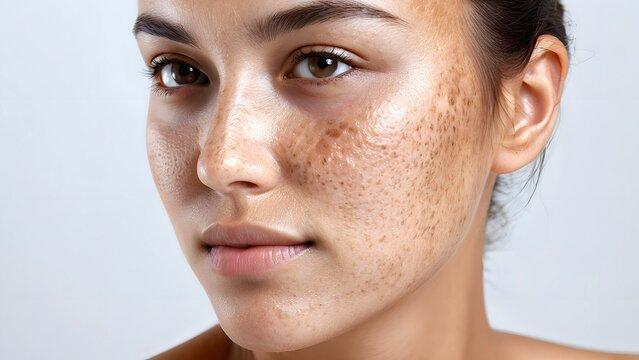
Skin pigmentation in Dubai can affect people with different skin types and complexions. It often appears as dark patches, brown spots, or uneven skin tone that makes the complexion look less uniform. Several factors can contribute to these changes, including excessive sunlight, hormonal fluctuations, acne, inflammation, and natural aging.
Understanding the different types of pigmentation can help you recognize changes in your skin and choose appropriate ways to manage them. Since Dubai experiences strong sunlight throughout the year, protecting the skin from ultraviolet exposure is particularly important for maintaining an even complexion.
What Is Skin Pigmentation?
Skin pigmentation refers to the natural coloring of the skin, which is influenced by melanin. This pigment is produced by cells called melanocytes and determines how light or dark the skin appears.
When melanin production becomes uneven, certain areas may develop darker patches or spots. This condition is commonly called hyperpigmentation.
Pigmentation can develop gradually or appear after specific skin concerns, such as acne breakouts, irritation, hormonal changes, or sun damage. Its appearance and severity depend on the underlying cause and individual skin characteristics.
Different Types of Skin Pigmentation in Dubai
Melasma
Melasma is a common pigmentation concern characterized by brown, greyish, or darker patches on the face. It generally appears on the cheeks, forehead, nose, and upper lip.
Hormonal changes and ultraviolet exposure are two important contributing factors. Sunlight and visible light may also worsen existing melasma, making consistent protection an important part of its management.
Sunspots
Sunspots, also known as solar lentigines, develop after repeated exposure to ultraviolet radiation. They usually appear as flat brown spots on areas frequently exposed to sunlight.
The face, hands, shoulders, and arms are common locations. These spots may become more noticeable with age and accumulated sun exposure.
Post-Inflammatory Hyperpigmentation
Post-inflammatory hyperpigmentation develops after inflammation or irritation affects the skin. Acne, insect bites, eczema, and minor injuries can sometimes leave darker marks after healing.
These marks are particularly noticeable in some darker skin tones. Their appearance may gradually improve, although certain spots can take months or longer to fade.
Freckles
Freckles are small, flat, light-brown or darker spots that are influenced by genetics and sun exposure. They often become more visible after spending time outdoors.
Unlike some other pigmentation concerns, freckles are generally harmless and may naturally become lighter when sun exposure decreases.
Main Causes of Skin Pigmentation
Strong Sunlight and UV Exposure
Frequent sun exposure is one of the most common reasons for increased pigmentation. Ultraviolet radiation stimulates melanin production as part of the skin's natural protective response.
In Dubai, spending extended periods outdoors without adequate sun protection can contribute to dark spots and uneven skin tone.
Hormonal Fluctuations
Changes in hormone levels can influence melanin production and contribute to melasma. Pregnancy, hormonal medications, and other hormonal changes may trigger or worsen facial discoloration.
Acne and Skin Irritation
Acne-related inflammation can stimulate excess pigment production during the healing process. Scratching, picking, or squeezing breakouts may increase the likelihood of developing dark marks.
Using irritating skincare products can also contribute to inflammation and discoloration.
Aging and Environmental Factors
As the skin ages, accumulated exposure to sunlight can lead to visible pigmentation changes. Environmental exposure and certain lifestyle habits may also affect overall skin appearance.
How to Manage Uneven Skin Tone
Managing pigmentation requires a consistent skincare routine and an understanding of the factors contributing to discoloration.
Daily sunscreen with broad-spectrum SPF 30 or higher helps protect against ultraviolet radiation. Reapplication is important when spending extended periods outdoors.
Skincare ingredients such as vitamin C, niacinamide, azelaic acid, and retinoids may help improve the appearance of dark spots. However, the right ingredients depend on skin sensitivity and the type of pigmentation.
Gentle cleansing and regular moisturizing can also support the skin barrier. Avoid excessive exfoliation because irritation may worsen certain pigmentation concerns.
Professional Options for Skin Pigmentation
When pigmentation does not improve with home skincare, professional treatment options may be considered.
Chemical peels can help improve surface discoloration by encouraging the removal of damaged skin cells. Certain laser treatments target unwanted pigment, while specialized topical treatments may help regulate excess melanin production.
The most appropriate option depends on pigmentation depth, skin tone, sensitivity, and the underlying cause. A proper assessment is important before starting any procedure because unsuitable treatments can sometimes worsen discoloration.
How to Protect Your Skin From Future Pigmentation
Preventive skincare plays an important role in maintaining an even complexion. Applying sunscreen every morning, limiting direct sun exposure during peak hours, and wearing protective clothing can reduce the impact of ultraviolet radiation.
Avoiding harsh products and maintaining a gentle skincare routine can also help minimize irritation. Consistency is more important than frequently changing products or combining multiple strong ingredients.
Final Thoughts
Skin pigmentation in Dubai can develop for several reasons, including sun exposure, hormonal changes, acne inflammation, and natural aging. Recognizing whether discoloration is melasma, sunspots, freckles, or post-inflammatory hyperpigmentation can help determine the most suitable management approach. With consistent sun protection and appropriate skincare, many pigmentation concerns can be managed effectively. For those interested in exploring personalized skin solutions, TAJMEELS CLINIC provides an opportunity to learn about different approaches to improving uneven skin tone and maintaining a healthy-looking complexion.
For More Details, Contact Us Through:
WhatsApp: +971 56 203 8751
Phone: +971 4 373 9000
Social Media:

 English
 Arabic
 French
 Spanish
 Portuguese
 Deutsch
 Dutch
 Italiano
 Russian
 Romaian
 Portuguese (Brazil)
 Greek