


How to Choose the Right Biometric Attendance System in India
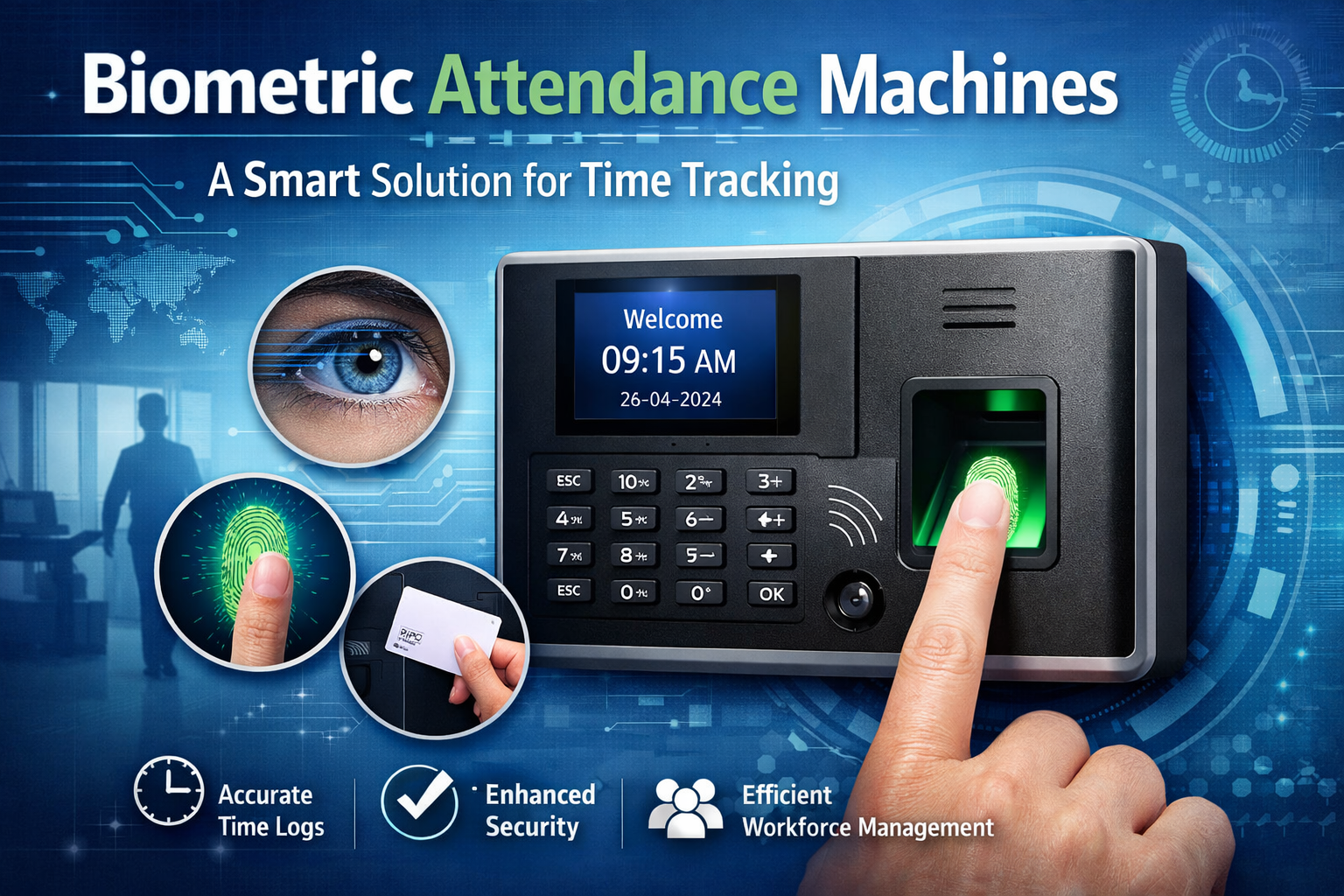
Selecting the right biometric attendance system can feel overwhelming at first glance. From fingerprint and facial recognition devices to cloud-based attendance platforms, the Indian market is full of options promising accuracy and convenience. Yet the real challenge lies in identifying a solution that fits your organization’s size, compliance needs, budget, and long-term digital strategy. This guide walks you through the key considerations so that your decision is balanced, informed, and future-ready.
Why Indian organizations are moving toward biometrics
The shift from manual registers and swipe cards to biometric technology has been driven by several everyday realities: time theft, proxy punching, payroll errors, and the need for hybrid or distributed teams. Biometric authentication—whether fingerprint, iris, or facial recognition—relies on unique human traits, making it both precise and difficult to duplicate. For companies handling flexible work hours, large workforces, or multisite attendance, the efficiency gains are immediate and measurable.
From small enterprises to government bodies and educational institutions, adoption has steadily increased because the systems simplify compliance, automate reports, and create transparent records. As labor laws and data privacy expectations mature, a carefully chosen system also helps demonstrate accountability.
Decide which biometric modality suits your workplace
Not all biometrics are created equal, and “best” depends on environment and use case.
Fingerprint systems
These are cost-effective and widely used. They work well in offices and schools but may perform inconsistently in industries where employees have worn fingerprints—construction, manufacturing, or healthcare settings involving gloves.
Facial recognition systems
Contactless verification became popular during and after the pandemic. It suits high-traffic areas and hygiene-sensitive environments and typically offers faster throughput. Look for systems that handle varied lighting conditions and support liveness detection to reduce spoofing.
Iris and multimodal systems
Where security thresholds are high—research labs, financial institutions, and critical infrastructure—iris scanners or dual-factor biometric systems can be more appropriate. They cost more but deliver enhanced accuracy.
Accuracy, speed, and scalability matter
Two key technical metrics define user experience: false acceptance rate (FAR) and false rejection rate (FRR). Lower FAR means fewer unauthorized entries; lower FRR means fewer frustrated employees. Also consider matching speed—large organizations need systems capable of quickly verifying thousands of templates without lag.
Scalability is equally important. If you intend to expand to multiple locations or add more employees, cloud-based platforms with centralized dashboards dramatically reduce administrative overhead. Look for solutions that allow adding devices and users without complete system overhauls.
Data security and legal compliance in India
Biometric data is sensitive personal information. A responsible deployment includes encryption, role-based access, and clear consent mechanisms. In India, organizations should pay attention to:
-
lawful and transparent collection of biometric data
-
secure storage practices, preferably encrypted at rest and in transit
-
data minimization and defined retention periods
-
clarity in employee communication regarding purpose and use
Systems that log access trails and offer policy-based configurations make compliance and audits easier. Always ask vendors how data is stored (local server, on-premise, or cloud), who owns it, and how backups are managed.
Integration with HR, payroll, and existing tools
Attendance systems gain real value when they talk to your existing software stack. Seamless integration with HRMS, payroll, leave management, and shift scheduling eliminates duplicate data entry and reduces salary disputes. APIs, standardized data formats, and prebuilt connectors save implementation time and reduce IT effort.
If you rely on ERPs or custom-built platforms, confirm compatibility before purchase. Request a demo of end-to-end workflows—from clock-in to payslip—to judge practical fit.
Total cost of ownership, not just device price
Initial device cost tells only part of the story. Factor in:
-
software licenses or subscription fees
-
implementation and training costs
-
maintenance contracts and spare parts
-
cloud hosting or storage charges
-
potential upgrades as your workforce grows
A slightly higher upfront investment in a reliable product often proves cheaper over time compared with frequent replacements, downtime, or poor support.
Vendor reliability and after-sales support
Choose a partner, not merely a product. Evaluate vendor credentials, local presence, and service networks. Availability of on-site support, remote diagnostics, and regular software updates makes daily operations smoother. User communities, documentation, and training materials also matter—especially for HR teams transitioning from manual attendance.
Spotlight on Nialabs
Among emerging Indian technology firms, Nialabs has built recognition for developing intuitive workforce management solutions tailored to domestic business needs. Its offerings focus on usability, compliance, and interoperability—three areas where many organizations struggle during digital adoption.
Nialabs emphasizes modular design: companies can begin with core attendance tracking and later add features such as shift rostering, leave workflows, or analytics dashboards. This approach suits MSMEs and growing enterprises that want predictable costs and room to scale without re-platforming.
Practical checklist before you finalize
Before signing a contract, run through this simple checklist:
-
✔️ Does the chosen modality (fingerprint, face, iris) fit your environment?
-
✔️ Are accuracy rates and processing speeds adequate for your headcount?
-
✔️ Is biometric data encrypted and stored securely with clear consent?
-
✔️ Can the system integrate with your payroll or HR software?
-
✔️ What are the annual maintenance and subscription costs?
-
✔️ Is the vendor capable of nationwide or local support where you operate?
-
✔️ Are reports customizable for audits and statutory compliance?
Conclusion: Aim for reliability, responsibility, and room to grow
The right biometric attendance solution in India blends precision technology with thoughtful data governance and everyday practicality. When evaluated carefully, these systems reduce disputes, improve punctuality, and give management actionable insight into workforce trends. Instead of focusing only on price or brand familiarity, look deeper—accuracy benchmarks, security architecture, integration options, and vendor credibility should shape your decision.

 English
 French
 Spanish
 Portuguese
 Deutsch
 Turkish
 Dutch
Dutch
 Italiano
 Russian
 Romaian
 Portuguese (Brazil)
 Greek
Greek