


Fire Hydrant System vs Fire Sprinkler System: Understanding the Key Differences.
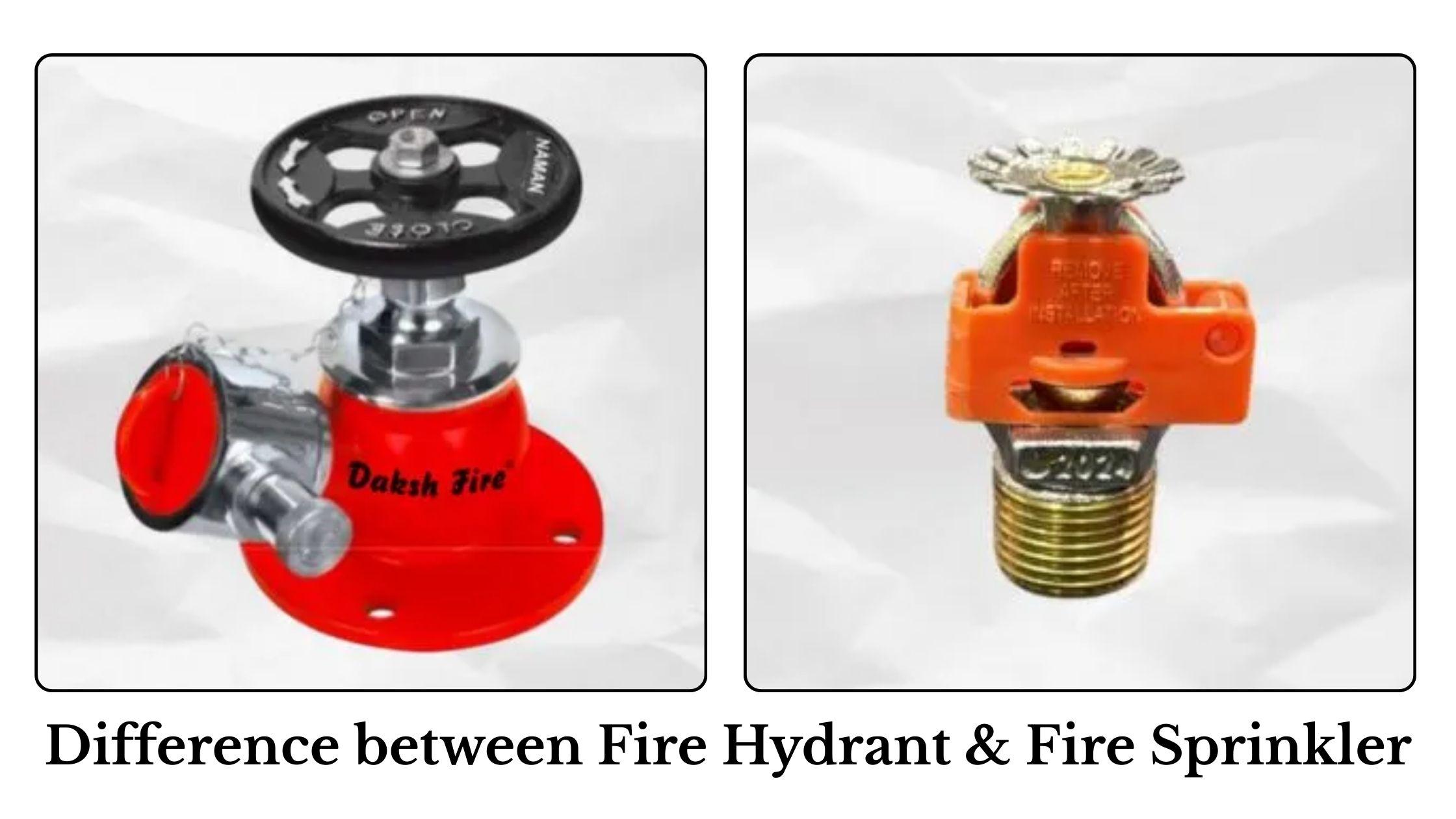
Fire safety is a critical requirement for every building, from commercial offices and shopping malls to factories and residential complexes. Among the most widely used fire protection solutions are the fire hydrant system and the fire sprinkler system. While both are designed to control and suppress fires, they differ significantly in working, application, and effectiveness.
Understanding the difference between fire hydrant systems and fire sprinkler systems helps building owners, facility managers, and safety officers choose the right solution—or a combination of both—for maximum fire protection.
What Is a Fire Hydrant System?
A fire hydrant system is a manual firefighting system designed to supply large volumes of water at high pressure. It consists of a network of pipes connected to fire pumps and water storage tanks, with hydrant valves (landing valves) placed at strategic locations throughout the building.
During a fire emergency, firefighters connect hoses to these valves to control and extinguish the fire. Fire hydrant systems are typically used for large-scale fires and are a key component of commercial and industrial fire safety.
What Is a Fire Sprinkler System?
A fire sprinkler system is an automatic fire suppression system that activates when it detects heat from a fire. It consists of sprinkler heads connected to a water supply. When the temperature around a sprinkler head reaches a preset level, it releases water directly over the fire-affected area.
Sprinkler systems are designed to control or contain fires at an early stage, often before firefighters arrive.
Key Differences Between Fire Hydrant System and Fire Sprinkler System.
1. Mode of Operation
- Fire Hydrant System:
Operates manually. Firefighters or trained personnel must connect hoses and operate valves to discharge water. - Fire Sprinkler System:
Operates automatically. Sprinkler heads activate individually when heat levels rise beyond a specific threshold.
Key Difference:
Hydrant systems depend on human intervention, while sprinkler systems provide immediate automatic response.
2. Water Discharge Capacity
- Fire Hydrant System:
Delivers a large volume of water at high pressure, suitable for controlling major fires. - Fire Sprinkler System:
Releases a controlled amount of water through activated sprinkler heads, limiting water damage.
Key Difference:
Hydrant systems are ideal for large fires, while sprinkler systems focus on early fire control.
3. Coverage Area
- Fire Hydrant System:
Covers wide areas using hoses that can be directed toward the fire source. - Fire Sprinkler System:
Covers specific zones, with only sprinklers near the fire activating.
Key Difference:
Hydrant systems offer flexible coverage, while sprinkler systems provide localized protection.
4. Applications and Use Cases
Fire Hydrant Systems are commonly used in:
✓ Commercial buildings
✓ Industrial plants and factories
✓ Warehouses and logistics centers
✓ High-rise buildings
✓ Shopping malls and airports
Fire Sprinkler Systems are commonly used in:
✓ Offices and IT parks
✓ Hotels and hospitals
✓ Residential apartments
✓ Retail stores
✓ Schools and institutions
Many large buildings use both systems together for comprehensive fire safety.
5. Firefighting Control
- Fire Hydrant System:
Allows firefighters to control water direction, pressure, and flow using branch pipes and hoses. - Fire Sprinkler System:
Automatically discharges water but offers limited control once activated.
Key Difference:
Hydrant systems provide greater firefighting flexibility, while sprinkler systems prioritize rapid response.
6. Installation and Maintenance
- Fire Hydrant System:
Requires pumps, tanks, pipelines, landing valves, hoses, and regular pressure testing. - Fire Sprinkler System:
Requires sprinkler heads, piping, valves, and periodic inspection for blockages or corrosion.
Key Difference:
Hydrant systems typically require more space and maintenance, while sprinkler systems need careful calibration and inspection.
Advantages of Fire Hydrant Systems.
✓ Suitable for large and high-risk fires
✓ High-pressure, continuous water supply
✓ Essential for industrial and commercial buildings
✓ Supports fire brigade operations
✓ Required by fire safety regulations for large premises
Advantages of Fire Sprinkler Systems.
✓ Automatic activation reduces response time
✓ Controls fires at an early stage
✓ Minimizes fire spread and smoke damage
✓ Reduces dependency on human intervention
✓ Helps lower insurance premiums
Which System Is Better for Your Building?
The choice between a fire hydrant system and a fire sprinkler system depends on several factors:
✓ Building size and height
✓ Occupancy type and fire risk
✓ Nature of materials stored or used
✓ Local fire safety regulations
✓ Budget and maintenance capabilities
For maximum safety, many commercial and industrial buildings install both systems—sprinklers for early fire control and hydrants for large-scale firefighting.
Conclusion.
Both fire hydrant systems and fire sprinkler systems play vital roles in building fire safety, but they serve different purposes. While sprinkler systems provide automatic, early-stage fire control, hydrant systems deliver the power and flexibility needed to combat major fires.
Understanding the key differences helps building owners make informed decisions and design a comprehensive fire protection system that safeguards lives, property, and business continuity. Investing in the right combination of systems is not just about compliance—it’s about creating a safer environment for everyone.

 Arabic
 French
 Spanish
 Portuguese
 Deutsch
 Turkish
 Dutch
Dutch
 Italiano
 Russian
 Romaian
 Portuguese (Brazil)
 Greek
Greek