


Residential vs Commercial Construction Estimating Services: Key Differences
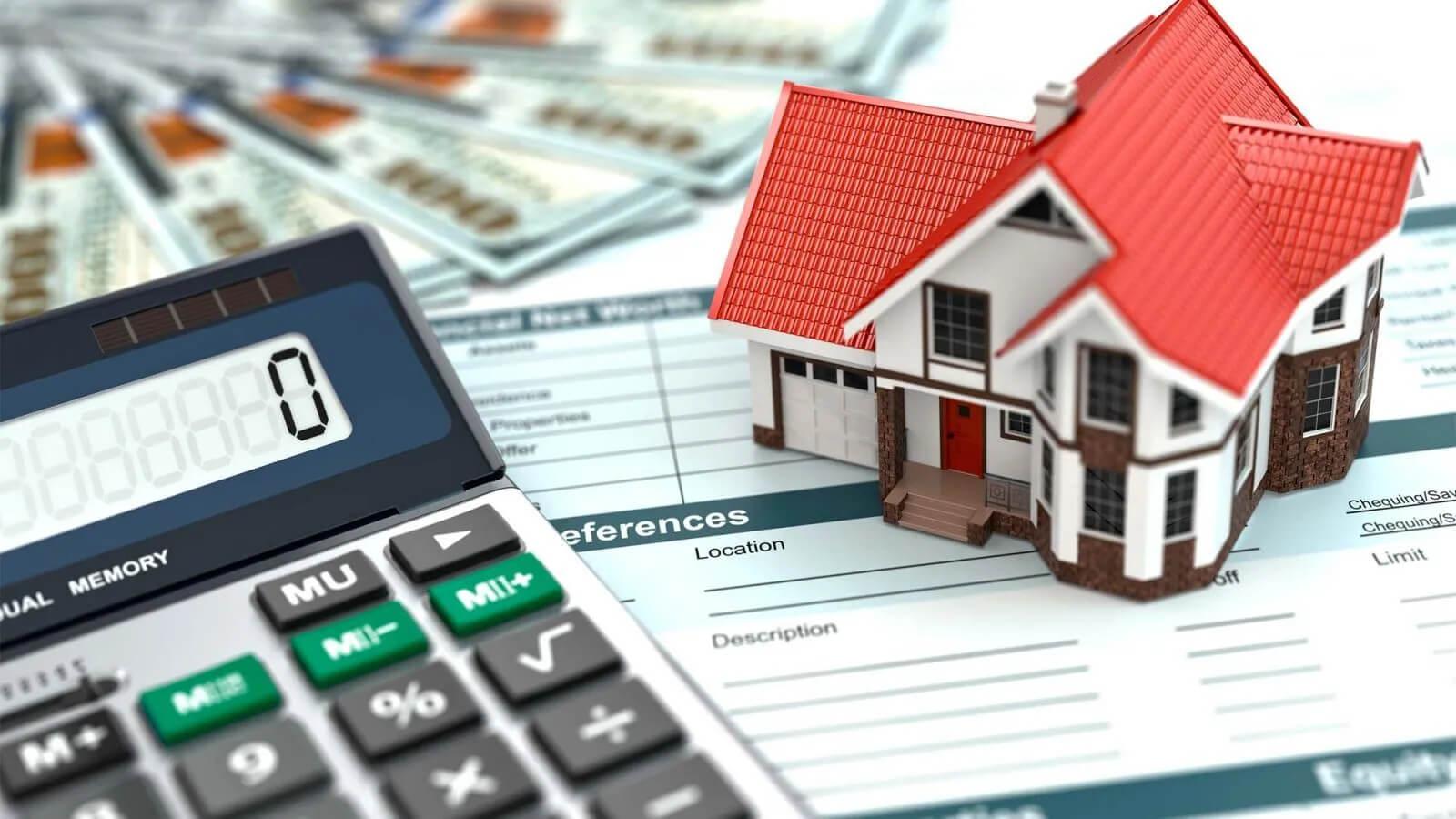
Residential vs Commercial Construction Estimating Services: What’s the Difference?
Accurate cost estimation is essential for the success of any construction project. However, estimating for a residential build is very different from estimating for a large commercial project. Understanding the differences between residential construction estimating services and commercial construction estimating services helps contractors, developers, and property owners choose the right approach for accurate budgeting and risk management.
This article breaks down how these two estimating services differ and why selecting the right one matters.
What Are Construction Estimating Services?
Construction estimating services involve calculating the total project cost by analyzing drawings, specifications, labor, materials, equipment, and overhead. These services provide a financial roadmap for construction projects before work begins.
Estimating services typically include:
-
Quantity takeoffs
-
Labor and material cost analysis
-
Budget estimating and forecasting
-
Bid preparation
-
Risk assessment and contingencies
While the core process is similar, residential and commercial estimating differ significantly in scope and complexity.
Residential Construction Estimating Services Explained
Residential construction estimating services focus on cost estimation for homes, apartments, townhouses, and small multi-family projects.
Key Characteristics of Residential Estimating
-
Smaller project size and scope
-
Simpler building systems
-
Shorter timelines
-
Standard materials and construction methods
-
Limited regulatory requirements
Residential estimating emphasizes speed, affordability, and accuracy to meet homeowner and small-builder budgets.
Common Residential Projects
-
Single-family homes
-
Duplexes and townhouses
-
Renovations and remodels
-
Small apartment buildings
Commercial Construction Estimating Services Explained
Commercial construction estimating services are designed for large-scale and complex projects that require detailed coordination and compliance.
Key Characteristics of Commercial Estimating
-
Larger budgets and extended timelines
-
Complex structural and MEP systems
-
Strict building codes and regulations
-
Multiple subcontractors and trades
-
Detailed documentation and reporting
Commercial estimating requires advanced tools, trade-specific expertise, and in-depth cost analysis.
Common Commercial Projects
-
Office buildings
-
Retail centers and malls
-
Hospitals and healthcare facilities
-
Schools and universities
-
Industrial and warehouse facilities
Key Differences Between Residential and Commercial Estimating Services
| Aspect | Residential Estimating | Commercial Estimating |
|---|---|---|
| Project Size | Small to medium | Large and complex |
| Cost Structure | Simpler budgets | Detailed, multi-trade budgets |
| Regulations | Minimal | Strict codes and compliance |
| Timeline | Short | Long and phased |
| Documentation | Basic | Extensive and detailed |
Understanding these differences ensures the right estimating approach is applied.
Why Choosing the Right Estimating Service Matters
Selecting the wrong type of estimating service can lead to:
-
Inaccurate budgets
-
Cost overruns
-
Scheduling delays
-
Compliance issues
Professional residential and commercial construction estimating services ensure cost accuracy, proper planning, and risk reduction tailored to each project type.
Technology Used in Modern Estimating Services
Both residential and commercial estimating services use advanced tools such as PlanSwift, Bluebeam, RSMeans, and Excel-based cost databases. Commercial projects often require more sophisticated software for coordination and reporting.
Frequently Asked Questions (FAQs)
1. What is the main difference between residential and commercial construction estimating services?
The main difference is project scale and complexity. Residential projects are smaller and simpler, while commercial projects involve larger budgets, complex systems, and stricter regulations.
2. Are commercial construction estimating services more expensive?
Yes, commercial estimating services generally cost more due to project complexity and detailed analysis requirements.
3. Can residential estimating services be used for commercial projects?
Not recommended. Commercial projects require specialized estimating expertise and compliance knowledge.
4. Who should use residential construction estimating services?
Home builders, remodelers, and small residential contractors benefit most from residential estimating services.
5. Should contractors outsource estimating services?
Outsourcing is often cost-effective, providing access to expert estimators without hiring full-time staff.
Final Thoughts
Both residential and commercial projects require accurate cost estimation—but the approach must match the project type. Understanding the differences between residential vs commercial construction estimating services helps construction professionals plan effectively, control costs, and reduce risk.
Choosing the right estimating service ensures better budgets, smoother execution, and long-term project success.

 English
 Arabic
 French
 Spanish
 Portuguese
 Deutsch
 Turkish
 Dutch
Dutch
 Italiano
 Russian
 Romaian
 Portuguese (Brazil)