


Electrical Engineering Services for Safe, Efficient, and Reliable Power Systems
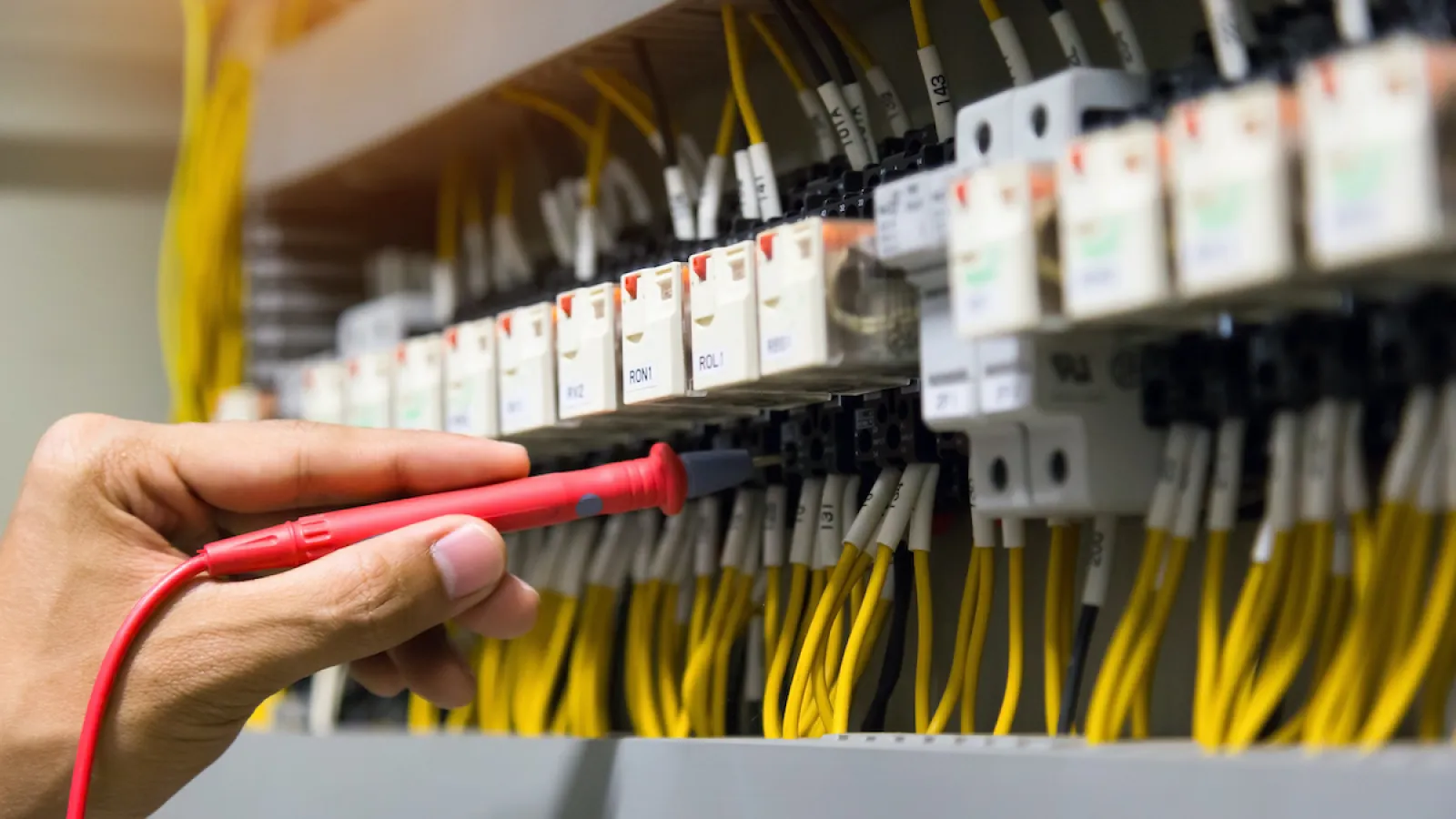
Power systems are expected to operate without failing in commercial and industrial construction. The immediate activation of lights, machines, and safety systems is more than just good equipment. It indicates careful planning, skill, and engineering responsibility.
That confidence is added to the project through electrical engineering services. Electrical engineers design power systems that are safe, efficient, and reliable through established design practices, regulatory knowledge, and practical experience. It defines the performance, growth, and safety of a facility's occupants throughout its lifecycle.
This guide explains why advanced electrical engineering in commercial and industrial projects is not a luxury and how it supports the stability and sustainability of a business.
Electrical Safety and Code Compliance
Electrical safety is not optional. Inappropriate grounding, poor wiring, or overloaded systems may cause fires, damage to equipment, and severe injuries.
The U.S. Fire Administration estimates that electrical failures account for about 13% of non-residential building fires; therefore, electrical design is of utmost importance in commercial and industrial buildings.
Electrical engineers come up with systems that fulfill:
-
National Electrical Code (NEC).
-
Local building regulations.
-
Industry safety standards.
Their role includes:
-
Adequate grounding and bonding.
-
Fault and surge protection.
-
Life safety systems and fire alarm integration.
-
Safe equipment clearances.
Design compliance avoids inspection delays, rework, and legal problems in the future.
Smart Electrical Design to Conserve Energy
Energy efficiency is now a high priority among building owners. Electrical systems are required to be smarter with increasing utility bills and sustainability goals.
According to the International Energy Agency (IEA), energy-saving electrical solutions can reduce electricity use in commercial buildings by up to 30%.
Electrical engineering services enhance efficiency in terms of:
-
Smart and LED lighting systems.
-
Balancing and optimization of loads.
-
Power factor correction.
-
Energy monitoring and control systems.
Effective systems minimize waste without affecting performance. These savings reduce the operating expenses over time.
Effective and Dependable Power Systems
Industrial plants require power on an uninterrupted basis. Even one outage can halt production, break equipment, and incur financial losses.
According to the U.S. Department of Energy, inadvertent downtime costs industrial facilities over 50 billion dollars every year, of which a significant portion is associated with electrical system failures.
Reliability is one of the key considerations in designing systems by electrical engineers, which involves:
-
Motor control centers
-
Redundant power feeds
-
UPS and emergency generators.
Reliability planning ensures that operations are safeguarded and costly disruptions are reduced.
Core Electrical Engineering Services
Power System Design
The foundation of electrical engineering is based on power system design. Engineers compute loads, equipment selection, and safe pathways of distribution.
-
Design services normally consist of:
-
Computations of electrical loads.
-
Transformer size and panel size.
-
Planning of cable routing and layout.
An effective system will avoid overloads and will provide a reliable power supply.
Backup Power and Emergency Systems
Power failure may interfere with vital activities and compromise safety. Electrical engineers also design backup systems that come into force immediately when utility power is lost.
These systems may include:
-
Emergency generators and standby generators.
-
Uninterruptible power supply (UPS).
-
Automatic transfer switches.
-
Critical load separation.
Emergency systems keep the lighting, alarms, and other necessary equipment running.
Electrical Engineering for Commercial Construction
Commercial buildings serve diverse users and functions. Offices, healthcare facilities, retail spaces, and data centers all have different electrical needs.
Electrical engineering services support commercial construction by providing:
-
Efficient lighting and power layouts.
-
Support for IT and communication systems.
-
Fire alarm and security integration.
-
Flexible designs for tenant changes.
Thoughtful planning improves occupant comfort while reducing maintenance demands.
Electrical Engineering for Industrial Facilities
Industrial facilities require robust electrical systems capable of supporting heavy machinery, continuous operations, and high-load equipment. Electrical engineering services for industrial facilities include:
-
Power distribution for equipment
-
Motor control systems
-
Safety compliance
-
Redundancy planning to support uninterrupted operations.
Thoughtful design enhances occupant comfort and minimizes maintenance requirements.
The Advantages of Professional Electrical Engineering Services
|
Benefit
|
The Value of Commercial and Industrial Projects |
|
Improved Safety |
Reduces Electrical Hazards |
|
Energy Efficiency |
Lowers Operational Costs |
|
System Reliability |
Minimizes Downtime |
|
Code Compliance |
Avoids Violations and Penalties |
The Contribution of Technology in Contemporary Electrical Engineering
Smart Power Systems
Innovative technologies are integrated into modern electrical systems to enhance efficiency and control.
Advantages include:
-
Real-time monitoring
-
Faster fault detection
-
Predictive maintenance
Smart systems enable the facility managers to react promptly to problems before they turn into expensive failures.
The Bottom Line
Reliable power systems do not occur by chance. They are the products of advanced engineering, technical accuracy, and professional conformity to industry standards. In commercial and industrial buildings, electrical engineering services provide the knowledge and design to protect individuals, equipment, and businesses.
When professionals take ownership of a facility, it becomes safe, efficient, and reliable. Expert planning helps reduce risk and improve long-term performance by controlling the system's energy and resilience.
Firms like Arrant Construction offer electrical engineering services that deliver clarity, control, and safety, helping businesses establish efficient, reliable power systems over the long term.
Frequently Asked Questions (FAQs)
What does electrical engineering service entail?
Electrical engineering services involve designing power systems, safety plans, energy efficiency solutions, and backup power systems.
Why are electrical engineers essential in construction projects?
They ensure systems are safe, reliable, compliant, and efficient throughout the building’s life cycle.
How do electrical engineers reduce downtime?
Through the development of systems that are redundant, well-managed, and have emergency power.
Do industrial buildings require electrical engineering services?
Yes. A majority of industrial undertakings need licensed electrical engineers to comply with the safety and regulatory requirements.
Is it possible to expand electrical systems?
Yes. Systems can be designed appropriately to support higher loads and upgrades.

 English
 Arabic
 French
 Spanish
 Portuguese
 Deutsch
 Turkish
 Dutch
Dutch
 Italiano
 Russian
 Portuguese (Brazil)
 Greek
Greek