


Global Kaolin Market: Expanding Applications Across Paper, Ceramics, and Advanced Industrial Uses (2026–2035)
Introduction
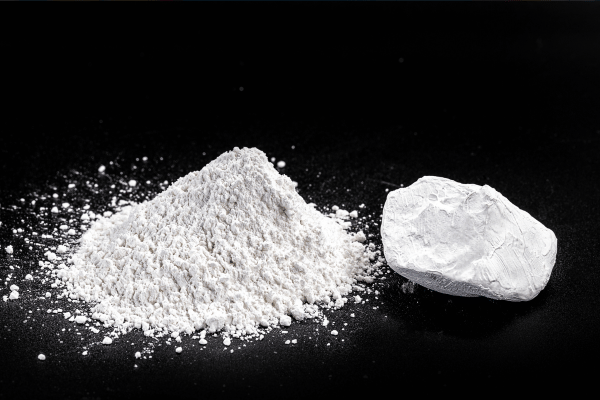
Kaolin, also known as china clay, is one of the most widely used industrial minerals, valued for its unique chemical and physical properties. Characterized by high brightness, fine particle size, low abrasiveness, and chemical inertness, kaolin plays a critical role in a wide range of industries, including paper, ceramics, paints and coatings, rubber, plastics, pharmaceuticals, and construction materials. As global manufacturing activity continues to evolve, kaolin remains a foundational raw material supporting both traditional and emerging applications.
The global kaolin market attained a value of nearly USD 4.68 Billion in 2025. Supported by steady demand from end-use industries and ongoing product innovation, the market is further expected to grow at a CAGR of 4.20% during the forecast period of 2026–2035, reaching a value of approximately USD 7.06 Billion by 2035. This article provides a comprehensive analysis of the kaolin market, examining its structure, drivers, applications, regional dynamics, challenges, and long-term outlook.
Overview of the Kaolin Market
Kaolin is a naturally occurring clay mineral composed primarily of kaolinite. It is mined from deposits formed through the weathering of feldspar-rich rocks and processed to meet the specifications of various industrial applications. Depending on processing techniques, kaolin is available in several forms, including hydrous kaolin, calcined kaolin, surface-modified kaolin, and metakaolin.
In 2025, the global kaolin market reached USD 4.68 Billion, reflecting stable demand across both mature and developing economies. While traditional applications such as paper coating and ceramics continue to dominate consumption, newer uses in polymers, construction additives, and functional fillers are expanding the market’s scope. The projected growth to USD 7.06 Billion by 2035 highlights kaolin’s continued relevance as a versatile and cost-effective mineral.
Key Drivers of Market Growth
Demand from the Paper Industry
The paper industry remains one of the largest consumers of kaolin. Kaolin is extensively used as a filler and coating pigment to improve brightness, smoothness, opacity, and printability of paper. Despite the digitalization trend reducing demand for certain paper grades, growth in packaging, tissue, and specialty papers continues to support kaolin consumption.
Growth in the Ceramics Sector
Kaolin is a key raw material in ceramic products such as tiles, sanitaryware, tableware, and technical ceramics. It provides plasticity during forming and enhances strength and whiteness after firing. Urbanization, construction activity, and rising demand for decorative and functional ceramics are driving kaolin usage in this segment.
Expansion of Paints and Coatings Applications
In paints and coatings, kaolin functions as an extender pigment that improves rheology, opacity, durability, and cost efficiency. Growth in construction, infrastructure development, and industrial coatings is contributing to steady demand for kaolin-based formulations.
Increasing Use in Rubber and Plastics
Kaolin is widely used as a reinforcing filler in rubber and plastic products. It enhances mechanical properties, surface finish, and chemical resistance while reducing formulation costs. The expanding automotive, packaging, and consumer goods industries are supporting kaolin demand in these applications.
Rising Adoption in Construction Materials
Calcined kaolin and metakaolin are increasingly used in construction applications, particularly as supplementary cementitious materials. Metakaolin improves concrete strength, durability, and resistance to chemical attack, aligning with the construction industry’s focus on high-performance and sustainable materials.
Market Segmentation
By Product Type
Hydrous Kaolin
Hydrous kaolin is widely used in paper coating, paper filling, and ceramics. Its fine particle size and high brightness make it suitable for applications requiring smooth surfaces and aesthetic quality.
Calcined Kaolin
Calcined kaolin is produced by heating hydrous kaolin to high temperatures. It offers enhanced brightness, opacity, and hardness, making it ideal for paints, coatings, rubber, and plastics.
Surface-Modified Kaolin
Surface-treated kaolin is designed to improve compatibility with polymers and resins. It is increasingly used in advanced plastics, rubber compounds, and specialty coatings.
Metakaolin
Metakaolin is produced by calcining kaolin at controlled temperatures and is widely used in construction, particularly in high-performance concrete and cement applications.
By End-Use Industry
- Paper and Pulp
- Ceramics
- Paints and Coatings
- Rubber and Plastics
- Construction
- Pharmaceuticals and Cosmetics
- Others (Agriculture, Fiberglass, Refractories)
Among these, paper and ceramics remain dominant, while construction and polymer applications are emerging as high-growth segments.
Technological and Product Trends
Product Customization and Functionalization
Manufacturers are increasingly offering customized kaolin grades tailored to specific application requirements. Functionalized kaolin with controlled particle size, surface chemistry, and morphology is gaining traction in high-performance applications.
Sustainability and Resource Efficiency
Sustainability is becoming a key focus in kaolin mining and processing. Companies are investing in energy-efficient processing technologies, waste reduction, and responsible mining practices to minimize environmental impact.
Advanced Processing Techniques
Advancements in beneficiation, calcination, and surface modification technologies are improving product quality and consistency. These developments are expanding kaolin’s applicability in demanding industrial environments.
Regional Analysis
Asia Pacific
Asia Pacific represents the largest and fastest-growing region in the global kaolin market. Rapid industrialization, urbanization, and strong growth in construction, ceramics, and paper packaging industries are driving demand. Countries such as China and India are major consumers due to their large manufacturing bases.
North America
North America is a mature but stable market, supported by demand from paper, construction, and polymer industries. Technological innovation and high-quality product standards characterize the regional market.
Europe
Europe holds a significant share of the kaolin market, with strong demand from ceramics, paints, and specialty paper applications. Environmental regulations and sustainability initiatives are shaping production and consumption patterns in the region.
Latin America
Latin America benefits from the presence of natural kaolin reserves and growing industrial activity. Construction and ceramics sectors are key demand drivers in this region.
Middle East and Africa
The Middle East and Africa region is gradually expanding, supported by infrastructure development, construction activity, and increasing industrial diversification.
Challenges and Constraints
Environmental Regulations
Kaolin mining and processing are subject to environmental regulations related to land use, water consumption, and waste management. Compliance with these regulations can increase operational costs.
Fluctuations in End-Use Industries
Demand for kaolin is closely linked to performance of end-use industries such as paper and construction. Economic slowdowns or structural shifts in these sectors can impact market growth.
Competition from Alternative Materials
In some applications, kaolin faces competition from alternative minerals and synthetic fillers. Continuous innovation and quality improvement are necessary to maintain competitiveness.
Competitive Landscape
The global kaolin market is moderately consolidated, with the presence of established mining and mineral processing companies. Market participants focus on:
- Expanding production capacity and reserve base
- Developing high-value specialty kaolin products
- Strengthening distribution networks
- Investing in sustainable and efficient processing technologies
Strategic partnerships and long-term supply agreements with end-use industries are common competitive strategies.
Future Outlook
The global kaolin market is expected to maintain steady growth over the forecast period, supported by diverse industrial applications and ongoing innovation. With a projected CAGR of 4.20% from 2026 to 2035, the market is set to reach approximately USD 7.06 Billion by 2035.
Key trends shaping the future include:
- Rising use of metakaolin in sustainable construction
- Growth in packaging-grade paper demand
- Increasing adoption in high-performance polymers and coatings
- Continued emphasis on environmentally responsible mining
As industries seek cost-effective, functional, and sustainable materials, kaolin’s versatility will remain a key advantage.

 English
 Arabic
 French
 Spanish
 Portuguese
 Deutsch
 Turkish
 Italiano
 Russian
 Romaian
 Portuguese (Brazil)
 Greek
Greek