


Retaining Walls: Essential Structures for Land Stability, Design, and Construction
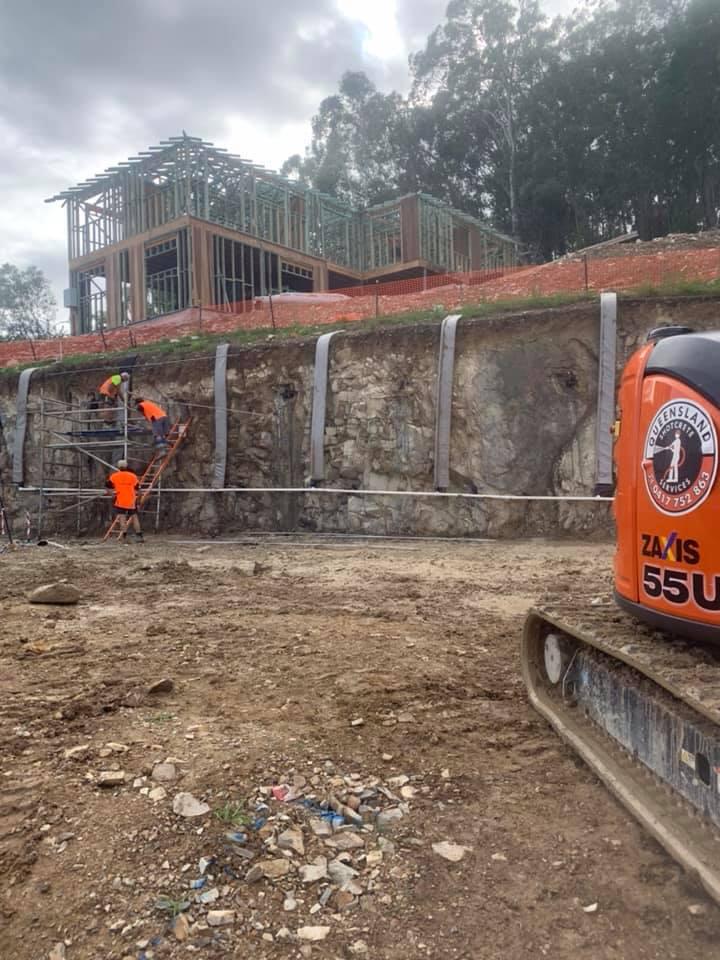
Retaining walls are essential for soil stabilization, erosion control, and land development. Learn how retaining walls support construction, landscaping, and civil engineering projects.
Introduction
Retaining walls have become an essential component in modern construction, land development, and landscape design. These engineered structures allow builders, homeowners, and civil planners to control soil movement, manage slopes, and create usable land in areas that would otherwise pose challenges due to elevation or terrain instability. From backyard terraces to major civil infrastructure, retaining walls play a critical role in shaping both natural and urban environments. Their versatility and strength allow them to address both functional and aesthetic needs, making them one of the most widely used structural elements in engineering and outdoor design today.
Retaining walls are essential structural systems used to support and stabilize soil, especially in areas with uneven terrain, slopes, or elevated construction zones. They serve as barriers that prevent soil erosion and control land movement, making it possible for builders, landscapers, and engineers to reshape terrain and create usable land. Whether used in residential backyards, commercial development sites, or major civil works, retaining walls play an important role in modern infrastructure and land management.
In regions with varied landscapes, retaining walls allow construction on sloped or unstable surfaces by holding back soil and preventing landslides. Without them, many properties, roads, and outdoor features would not be possible. Retaining walls also enhance the functionality and visual appeal of landscapes, creating terraces, leveled gardens, and outdoor living areas that support practical and aesthetic outcomes.
Understanding the Purpose of Retaining Walls
The primary purpose of retaining walls is to resist the horizontal pressure of soil that would naturally shift downhill without support. When land is excavated for construction or development, exposed soil loses its natural containment. Retaining walls provide structural reinforcement that maintains the stability of that soil, allowing for safe development and preventing erosion.
Retaining walls are frequently used to create platforms and terraces in areas where flat land is limited. This makes them especially important in hillside developments, landscaped gardens, driveway installations, pool construction, and roadway engineering. By preventing soil displacement, retaining walls protect structures, pathways, parking lots, and outdoor areas from collapsing soil or runoff damage.
Types of Retaining Walls in Modern Construction
Retaining walls are built using a variety of techniques and materials depending on site requirements, project goals, and environmental conditions. Some common forms include:
Gravity Retaining Walls:
These rely on their mass to resist soil pressure. They are commonly constructed from stone, concrete, or block materials. Their weight keeps the soil from moving forward.
Cantilevered Retaining Walls:
These incorporate steel-reinforced concrete and use leverage to resist soil pressure. Cantilevered systems are designed to distribute force evenly and are often used in commercial and civil infrastructure.
Anchored Retaining Walls:
Anchored walls use cables or rods driven into the soil to provide additional reinforcement. This type is suitable for tall walls or areas with heavy loads.
Segmental Retaining Walls:
Modular blocks are commonly used for landscaped environments, creating aesthetically pleasing terraces and garden features.
Shotcrete Retaining Walls:
Shotcrete involves applying concrete through high-pressure spraying, which adheres to uneven surfaces and adapts to challenging terrain. This method is highly versatile for complex slopes and structural stabilization.
Each type of retaining wall is selected based on soil conditions, height requirements, functionality, and design preferences. Some projects demand reinforcement for heavy structural loads, while others focus on shaping landscapes for aesthetic or recreational purposes.
Engineering and Soil Behavior Considerations
One of the most important factors in designing retaining walls is understanding soil behavior. Soil exerts lateral pressure that increases with moisture content, slope gradient, and terrain instability. Rainfall, irrigation, and groundwater can add significant stress, leading to erosion or wall failure if not accounted for properly.
Engineering professionals consider the following when planning retaining walls:
• Soil density and type
• Drainage and water flow
• Elevation changes
• Load-bearing requirements
• Frost and climate exposure
• Seismic considerations (when relevant)
Drainage is particularly important. Without proper drainage, water build-up behind walls increases hydrostatic pressure, which can cause structural damage. Therefore, retaining walls are often designed with drainage channels, gravel backfill, or weep holes to allow water to escape.
Retaining Walls in Landscaping and Outdoor Design
Beyond structural utility, retaining walls contribute to landscape design and outdoor living spaces. In residential environments, they allow homeowners to create gardens, lawns, patios, steps, and terraces on sloped land. Retaining walls also enhance the visual dimension of outdoor areas, adding depth and definition to natural slopes.
For garden environments, retaining walls can be integrated with planters, stonework, seating edges, and pathways. They provide both organization and contouring, transforming uneven land into functional spaces for recreation and relaxation. Modern landscaping often blends retaining walls with natural rock, textured concrete, or modular blocks to achieve harmonious designs that match architectural themes.
Applications in Civil and Commercial Development
Retaining walls have extensive applications in civil engineering and commercial development. They are used to support highways, bridges, railway lines, industrial sites, and public infrastructure. By holding back soil in embankments or excavated zones, retaining walls make it possible for large-scale developments to integrate with challenging terrain.
In commercial projects, retaining walls assist with land leveling for car parks, industrial yards, warehouses, retail spaces, and building foundations. Many commercial zones require extensive cut-and-fill earthworks, and retaining walls provide the structural control needed to keep those areas safe and functional for long-term use.
Environmental and Erosion Control Benefits
Retaining walls contribute significantly to environmental protection through erosion control. Soil erosion can damage vegetation, pollute water systems, and degrade land stability. Retaining walls help manage stormwater runoff and prevent sediment displacement, supporting both sustainable development and environmental conservation.
In regions prone to heavy rainfall or seasonal flooding, retaining walls reduce the risk of landslides and soil slippage. By reinforcing slopes and embankments, they protect both natural landscapes and built environments.
Conclusion
Retaining walls are essential structures that support modern development, land management, and outdoor design. They allow construction on challenging terrain, protect against erosion, stabilize soil, and transform uneven land into functional and visually appealing spaces. Their versatility extends across residential, commercial, and civil engineering sectors, making them indispensable to contemporary construction and landscaping.

 English
 Arabic
 French
 Spanish
 Deutsch
 Turkish
 Dutch
Dutch
 Italiano
 Russian
 Romaian
 Portuguese (Brazil)
 Greek
Greek