


10 Common Types of Mold in Homes: Identification and Health Hazards
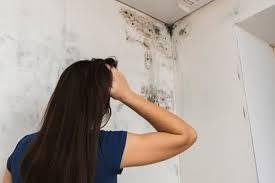
Mold is a common problem in many homes. It grows in damp places like bathrooms, basements, kitchens, and near leaks. Some types of mold are harmless, but others can cause health problems or damage your home. Mold often looks like spots or fuzzy patches on walls, ceilings, or furniture. It can smell musty and make your home feel uncomfortable. Regular Air Duct Cleaning in Roswell and nearby areas from MMI helps prevent mold from spreading through your ventilation.
Here, we will look at 10 common types of mold found in homes, how to spot them, and the health risks they can cause.
10 common types of mold found in homes
1. Cladosporium
Cladosporium is one of the most common molds indoors. It grows on wood, carpets, fabrics, and sometimes walls. This mold can appear green, brown, or black and usually has a powdery texture.
Health hazards: Cladosporium can trigger allergic reactions, sneezing, a runny nose, itchy eyes, and asthma attacks in sensitive people.
2. Penicillium
Penicillium often grows on damp walls, insulation, or even food. It appears blue or green and feels soft.
Health hazards: Exposure may cause allergies, asthma, and in rare cases, infections in people with weak immune systems.
3. Aspergillus
Aspergillus grows on air ducts, insulation, and damp walls. It can appear green, yellow, or black.
Health hazards: Some types of Aspergillus produce toxins that can affect the lungs. People with weakened immune systems should avoid it.
Read Also: How humidity can impact air purifier performance
4. Stachybotrys (Black Mold)
Also called black mold, Stachybotrys is dangerous and often grows on wood, drywall, or paper. It appears dark green or black and has a slimy texture.
Health hazards: Black mold produces toxins that may cause serious respiratory problems, headaches, fatigue, and skin irritation. Children and elderly people are especially at risk.
5. Alternaria
Alternaria is found in damp areas like showers, sinks, and window frames. It usually looks dark green or brown and has a fuzzy texture.
Health hazards: This mold can trigger allergies, asthma attacks, and respiratory issues. People with lung conditions should be careful.
6. Aureobasidium
Aureobasidium grows on painted surfaces, wallpaper, and window frames. It often starts as pink or light brown spots and darkens over time.
Health hazards: It may cause skin irritation and allergic reactions, and can affect breathing in sensitive individuals.
7. Fusarium
Fusarium is often found on wet carpets, fabrics, and wallpaper. It appears pink, white, or reddish-brown and spreads quickly in damp areas.
Health hazards: Fusarium can cause allergic reactions, skin infections, and lung problems in people with weak immune systems.
8. Chaetomium
Chaetomium grows on wet wood, paper, and drywall. It has a cotton-like texture and is gray, green, or brown.
Health hazards: Exposure can lead to respiratory issues, allergic reactions, fatigue, and headaches. Long-term exposure is more dangerous for people with weak immunity.
9. Mucor
Mucor is found in areas with high humidity, like basements and bathrooms. It is usually white or gray and grows in fluffy patches.
Health hazards: Mucor can cause respiratory infections and allergies, particularly in people with weak immune systems.
10. Trichoderma
Trichoderma grows on water-damaged materials such as wood and insulation. It appears green or white and spreads quickly.
Health hazards: This mold can trigger asthma, allergic reactions, and respiratory irritation. It is more serious for sensitive individuals.
How to Identify Types of Mold in Your Home
Recognizing mold early helps prevent damage and health problems.
-
Look for discoloration: Mold can be black, green, white, pink, or brown.
-
Check damp areas: Bathrooms, kitchens, basements, and areas around leaks are hotspots.
-
Smell musty odors: A persistent damp smell may indicate hidden mold.
-
Notice texture: Mold may be fuzzy, slimy, or powdery depending on the type.
Regular inspections can help you catch mold before it spreads and causes serious damage.
Health Hazards of Different Types of Mold
Different types of mold can cause mild to serious health problems:
-
Allergies, sneezing, runny nose, itchy eyes
-
Asthma attacks or worsening of asthma
-
Skin irritation or rashes
-
Headaches, fatigue, or respiratory infections
Children, elderly people, and individuals with weak immune systems are most at risk.
How to Prevent Mold in Your Home
-
Fix leaks immediately to keep areas dry.
-
Use dehumidifiers in basements and damp rooms.
-
Ventilate bathrooms and kitchens to remove moisture.
-
Clean bathrooms and kitchens regularly to remove potential mold.
-
Remove any mold as soon as you notice it using gloves and protective gear.
Prevention is always better than removal because some molds, like black mold, are dangerous.
When to Call a Professional
If mold covers a large area, keeps returning, or you suspect toxic types like Stachybotrys, call a professional. Experts can identify the types of mold, remove it safely, and prevent further growth. Professional help is especially important for homes with children, elderly residents, or anyone with asthma.
Summary
Understanding the types of mold in your home is essential for safety and health. From Cladosporium to black mold, each type has unique risks and appearances. Early detection, proper cleaning, and moisture control are the best ways to protect your family and home.
Regular inspections and prompt action can prevent serious health issues and property damage. By learning to identify common molds, you stay prepared and keep your home safe, clean, and comfortable year-round.

 Arabic
 French
 Spanish
 Portuguese
 Deutsch
 Turkish
 Dutch
Dutch
 Italiano
 Russian
 Romaian
 Portuguese (Brazil)
 Greek
Greek