


Surviving the Night Shift: Getting the Most Out of a Store Management Nightmare (Like Five Nights At Freddy's)
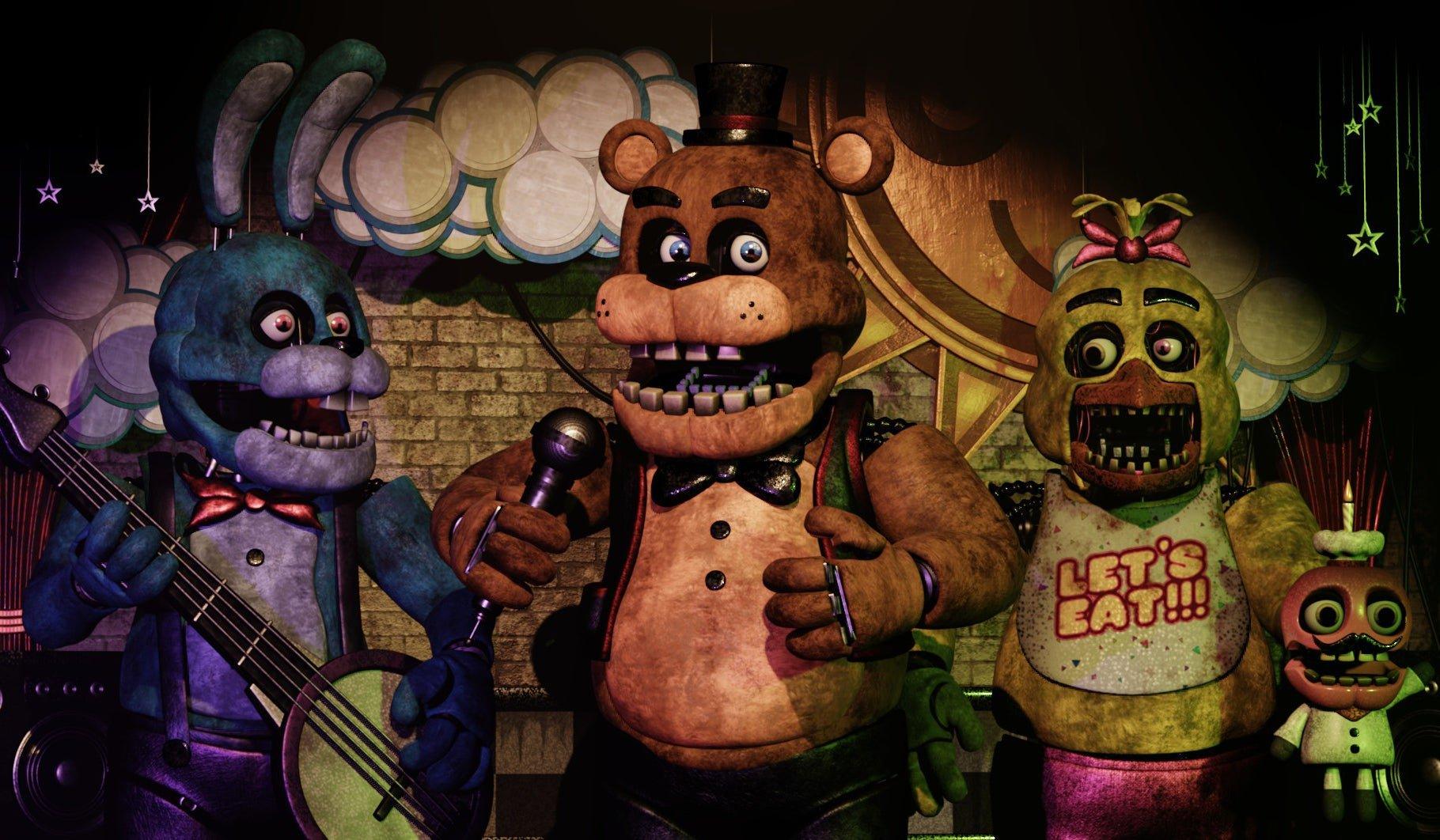
Store management games, at their core, are about resource allocation, risk assessment, and adapting to unforeseen circumstances. They’re a simulation of running a business, though often with a fun, or even terrifying, twist. While you might think of cheerful shopkeepers managing bustling emporiums, the genre can encompass much darker scenarios, and no game exemplifies this better than the survival horror sensation, Five Nights At Freddy's.
While Five Nights At Freddy's isn't exactly a store management game in the traditional sense, it shares many of the core gameplay loops. Think of Freddy Fazbear's Pizza as your poorly managed storefront, and surviving the night as successfully navigating a particularly disastrous business quarter. This article will explore how to approach and appreciate games like Five Nights At Freddy's, extracting the strategic and immersive elements that make them so compelling.
The Gameplay: A Tightrope Walk of Resource Management and Panic
At its heart, Five Nights At Freddy's is a masterclass in minimalist game design. You play as a security guard on the night shift, tasked with protecting the pizzeria from… well, let's just say the animatronics have a bit of a nocturnal wanderlust. You're confined to a small security office with limited power, relying on security cameras and door controls to keep the mechanical menaces at bay.
The core gameplay loop revolves around these core mechanics:
Monitoring Security Cameras: You flip between camera feeds to track the animatronics' movements. Knowing where Freddy, Bonnie, Chica, and Foxy are is paramount. Think of it as analyzing customer flow or inventory levels in a more traditional management game. Are customers congregating in one area, causing a bottleneck? Similarly, is Bonnie getting dangerously close to your office door?
Conserving Power: Every action – closing doors, using lights, even checking the cameras – drains your limited power supply. Run out of power, and the animatronics are free to roam with impunity. This is a direct parallel to budgeting and resource allocation in any business. Do you spend more on marketing (lights) or securing your assets (doors)? Every choice has consequences.
Responding to Threats: The animatronics each have unique movement patterns and attack styles. Learning these patterns is key to predicting their behavior and implementing effective countermeasures. Recognizing patterns and adapting to them is crucial in both games and real-world store management. Spotting a trend in customer complaints, anticipating a seasonal dip in sales, or, in Freddy's case, knowing when to slam the door shut.
The beauty of the game lies in its simplicity and the escalating tension. Each night gets progressively harder, forcing you to refine your strategies and manage your resources with increasing efficiency. This is where the store management aspect, albeit a twisted one, shines through. You're constantly evaluating the risks, prioritizing tasks, and making tough decisions under pressure.
Tips for Thriving Under Pressure (and Avoiding Jumpscares)
Whether you're battling animatronics or balancing the books, a few key strategies can help you succeed:
Master the Map: Learn the layout of the pizzeria like the back of your hand. Knowing the optimal camera sequence to monitor, the fastest route an animatronic can take, and the blind spots in your defense is essential. Similarly, understanding the layout of your store, the placement of key items, and the traffic flow will greatly improve efficiency.
Conserve Power, Conserve Resources: Don't randomly flip between cameras or needlessly close doors. Only use your resources when necessary and prioritize what's most important at any given moment. In the corporate world, that will mean knowing when to prioritize stocking shelves over marketing.
Anticipate and Adapt: Observe the animatronics' behavior and identify their patterns. Develop strategies to counter their movements and anticipate their next move. Every game – and every business – is a learning experience. Don't be afraid to experiment with different approaches and adapt to changing circumstances. Don’t be afraid to learn new trends to adopt to stay in the loop with consumers.
Listen Carefully: The audio cues in Five Nights At Freddy's are crucial for identifying the presence and location of animatronics. Listen for footsteps, breathing, or other subtle sounds that can alert you to danger. Similarly, in business, pay attention to customer feedback, market trends, and employee concerns.
Stay Calm (Easier Said Than Done): Panic will lead to mistakes. Take a deep breath, assess the situation, and make rational decisions. Stress is inevitable in any management role, but learning to manage it effectively is key to long-term success.
Conclusion: The Thrill of the Tightrope
Five Nights At Freddy's isn't just a horror game; it's a surprisingly effective (and terrifying) example of resource management and strategic decision-making. By understanding the underlying mechanics and applying basic management principles, you can not only survive the night but also appreciate the game's ingenious design.
Whether you're battling sentient animatronics or running a real-world business, the ability to assess risk, allocate resources, and adapt to changing circumstances is crucial. So, embrace the challenge, learn from your mistakes, and remember that even in the darkest of nights, a little bit of strategy can go a long way. Now, go out there and survive… or at least try to. Good luck, and try not to scream!

 English
 Arabic
 French
 Portuguese
 Deutsch
 Turkish
 Dutch
Dutch
 Italiano
 Russian
 Romaian
 Portuguese (Brazil)
 Greek
Greek