


How to Choose the Best Rice in Pakistan for Your Kitchen
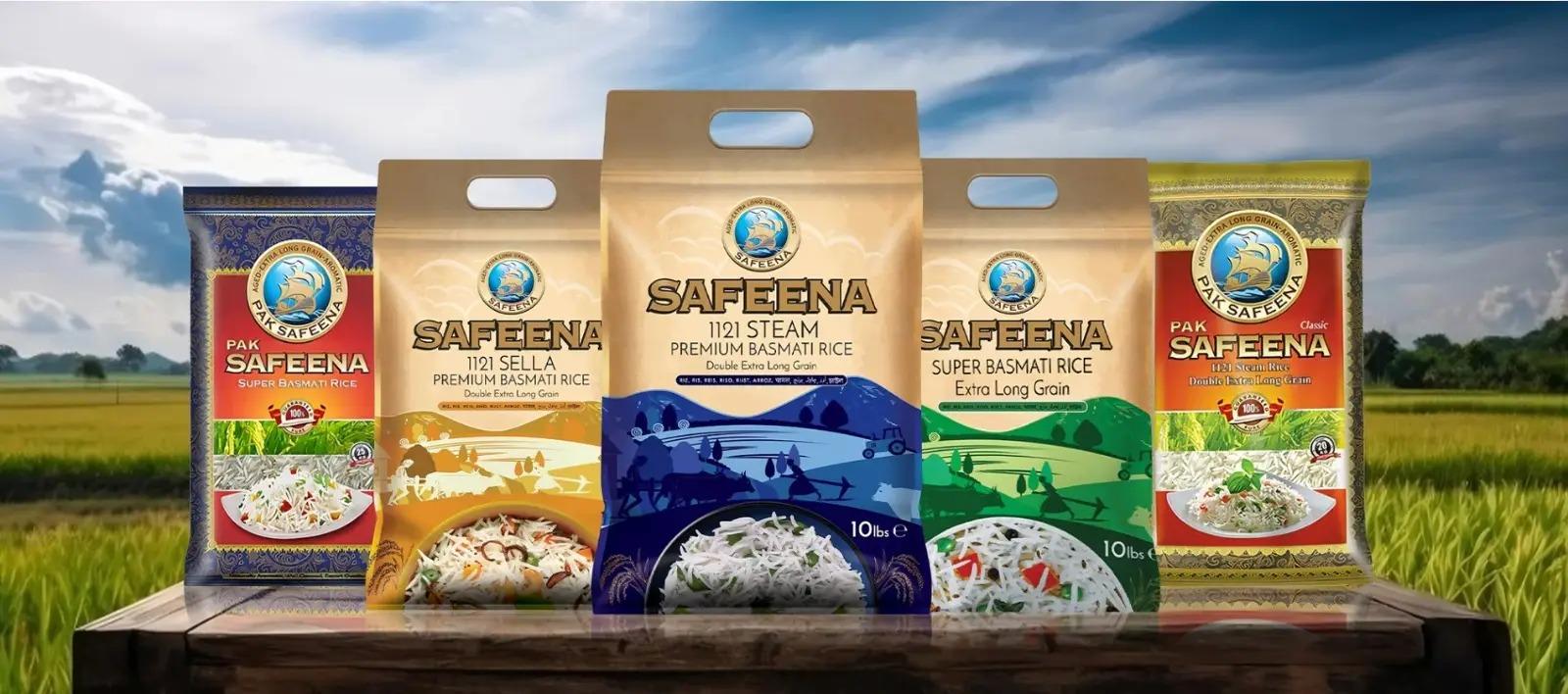
Choosing the best rice in Pakistan for your kitchen is about more than price—it involves understanding grain type, aroma, aging, and how rice behaves during cooking. With Pakistan being one of the world’s leading rice producers, making the right choice ensures better taste, texture, and value in everyday meals as well as special dishes.
Understand Rice Varieties Available in Pakistan
Pakistan offers several rice varieties, and knowing their differences is the first step in choosing the best rice in Pakistan for your kitchen. Basmati rice is the most popular due to its long grains, fragrant aroma, and soft, fluffy texture after cooking. Non-basmati varieties are also widely used for daily meals and commercial purposes. Each variety serves a different cooking purpose, so selecting the right type depends on your needs. If your household prepares traditional dishes like biryani or pulao, premium basmati is ideal. For everyday meals, regular long-grain rice may be more practical. Understanding varieties ensures better cooking results and avoids disappointment.
Check Grain Length and Uniformity
Grain length and consistency play a major role in rice quality. The best rice in Pakistan typically has long, slender grains that elongate after cooking without breaking. Uniform grain size indicates careful milling and sorting, which improves cooking consistency. Avoid rice with broken grains, excessive powder, or uneven sizes, as these affect both appearance and texture. When rice grains are consistent, they absorb water evenly and cook uniformly. This is especially important for dishes where presentation matters. High-quality rice maintains its structure, separates well, and looks appealing on the plate, making it suitable for both daily meals and formal dining.
Aroma and Natural Fragrance Matter
A defining feature of the best rice in Pakistan is its natural aroma. High-quality basmati rice releases a subtle, pleasant fragrance even before cooking. This aroma becomes more pronounced when cooked, enhancing the overall dining experience. Artificially enhanced or low-grade rice may lack this natural scent or have an unpleasant smell. Always smell the rice before purchasing if possible. Fragrance is a strong indicator of purity and quality. Authentic aromatic rice also reflects proper harvesting and processing methods. Choosing naturally fragrant rice ensures richer flavor, better appeal, and a more satisfying meal for your kitchen.
Importance of Aged Rice for Better Cooking
Aging significantly improves rice quality. The best rice in Pakistan is often aged for several months to reduce moisture content and enhance cooking performance. Aged rice absorbs water more evenly, expands in length, and remains fluffy without becoming sticky. Freshly harvested rice may break easily and produce mushy results. Aged rice also develops a deeper aroma and improved texture. While aged rice may cost slightly more, it delivers superior cooking results and better value over time. For kitchens that prioritize taste and presentation, aged rice is a wise investment and consistently performs better in traditional recipes.
Milling, Processing, and Packaging Quality
Processing quality directly affects rice purity and shelf life. The best rice in Pakistan undergoes modern milling processes that remove husk without damaging the grain. Proper polishing enhances appearance while preserving nutritional value. Packaging is equally important; sealed, moisture-resistant packaging protects rice from contamination, pests, and humidity. Always check for clear labeling, harvest details, and quality certifications when available. Poorly processed rice may contain impurities or foreign particles. Choosing well-processed and properly packaged rice ensures cleanliness, longer storage life, and consistent quality, making it safer and more reliable for household use.
Match Rice Type With Cooking Needs
Selecting the best rice in Pakistan also depends on how you plan to use it. For biryani, long-grain aromatic basmati with strong elongation is essential. For pulao, medium-aging basmati works best. Everyday meals may require softer rice that cooks faster and absorbs flavors well. Matching rice type with the cooking method prevents waste and improves results. Using premium rice for routine meals may be unnecessary, while using low-grade rice for special dishes can ruin the experience. Understanding your kitchen habits helps you choose rice that fits both your taste preferences and cooking style.
Nutrition and Purity Considerations
Beyond taste, nutrition and purity matter when choosing the best rice in Pakistan. Quality rice should be free from artificial whitening agents, excessive polishing, or chemical residues. Natural rice retains essential nutrients and provides a healthier meal option. Whole, unbroken grains also retain more nutritional value. Look for rice sourced from trusted growers and mills that follow food safety standards. Clean rice with minimal impurities reduces preparation time and ensures better hygiene. A focus on purity and nutrition not only enhances taste but also contributes to healthier meals for the entire family.
Balance Price With Long-Term Value
Price is important, but value matters more. The best rice in Pakistan is not necessarily the cheapest; it delivers consistent quality, better cooking performance, and superior taste. Low-priced rice may appear economical but often leads to poor results, breakage, or waste. Investing slightly more in quality rice can improve meal quality and reduce overall consumption. Reliable rice brands and suppliers offer better consistency and long-term satisfaction. When you balance price with quality, aroma, aging, and purity, you ensure that your kitchen always has rice that performs well and enhances every dish.

 English
 Arabic
 French
 Spanish
 Portuguese
 Deutsch
 Turkish
 Italiano
 Russian
 Romaian
 Portuguese (Brazil)
 Greek
Greek