


How Much Space Between a Kitchen Island and the Counter: Expert Guidance from The Kitchen Consultants
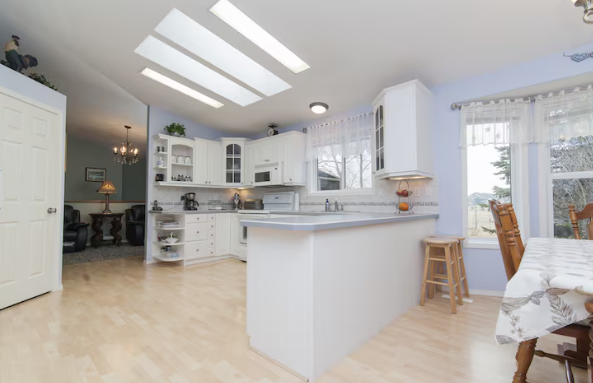
When planning a kitchen remodel, one of the most common questions homeowners ask is, “How much space between a kitchen island and the counter should I allow?” This seemingly simple question actually has significant implications for functionality, safety, and comfort in your kitchen. The right spacing ensures that your kitchen not only looks great but also functions efficiently for cooking, entertaining, and everyday use. To get professional advice tailored to your kitchen’s layout, consulting experts like The Kitchen Consultants can be invaluable.
Why Proper Spacing Matters
The kitchen is the heart of the home, and the flow of traffic within it is crucial. If the distance between a kitchen island and the surrounding counters is too narrow, it can make movement difficult, create bottlenecks, and even become a safety hazard. Conversely, leaving too much space may make the kitchen feel disjointed and reduce the efficiency of your cooking workflow.
Optimal spacing allows for smooth movement, easy access to appliances, and proper use of cabinet doors and drawers. According to The Kitchen Consultants, maintaining the right distance between your island and the counter is key to creating a kitchen that is both beautiful and functional.
Recommended Space Between a Kitchen Island and the Counter
Most kitchen designers recommend a minimum of 36 inches between a kitchen island and the counter. This distance allows for comfortable movement and accommodates people passing by or working in the kitchen simultaneously. For larger kitchens or areas with more traffic, spacing can increase to 42–48 inches to ensure ease of movement.
- 36 inches: Minimum recommended for standard kitchens. Suitable for a single cook and moderate traffic.
- 42–48 inches: Ideal for kitchens with multiple cooks or frequent entertaining. Provides extra room for chairs or bar stools if your island includes seating.
- Less than 36 inches: Not recommended. This can feel cramped and may interfere with the opening of drawers, cabinets, or appliances.
The Kitchen Consultants stress that spacing should also take into account the functionality of the island itself. If your island contains appliances such as a cooktop or dishwasher, or if it doubles as a seating area, slightly wider spacing is recommended to avoid accidents and improve workflow.
Factors That Influence Kitchen Island Spacing
While the standard guidelines provide a good starting point, several factors can influence the ideal distance between your kitchen island and counter:
- Kitchen Layout:
The shape of your kitchen—whether U-shaped, L-shaped, or galley—affects the spacing. In galley kitchens, for instance, you may need to adhere strictly to minimum spacing to allow proper passage. - Appliance Doors:
Consider the swing of oven, dishwasher, and refrigerator doors. The Kitchen Consultants advise planning the layout so that doors can open fully without obstruction from the island. - Seating at the Island:
If your kitchen island includes bar stools or a breakfast bar, you’ll need to account for seating space. Ideally, allow 24–30 inches per person and ensure there’s at least 36 inches behind the seating area for traffic flow. - Workflow Zones:
Kitchens are divided into zones such as cooking, cleaning, and prep areas. Proper island spacing ensures that these zones are accessible and that movement between them is smooth. - Accessibility Requirements:
For households with children, elderly members, or people with mobility challenges, slightly wider spacing may be necessary for safe and convenient use.
Planning Your Kitchen Island with The Kitchen Consultants
Determining the right distance between your kitchen island and counters can be challenging without professional input. This is where The Kitchen Consultants come in. They provide expert guidance on layout, design, and space optimization tailored to your unique kitchen dimensions and lifestyle.
Working with a kitchen consultant ensures that every inch of your kitchen is used efficiently. They consider not only the recommended measurements but also your personal cooking habits, entertaining needs, and storage requirements. By partnering with The Kitchen Consultants, you can avoid common mistakes such as overcrowding the kitchen or creating awkward pathways that limit functionality.
Additional Tips for Kitchen Island Design
Beyond spacing, there are other factors to consider when designing your kitchen island:
- Height Considerations:
Standard counter height is typically 36 inches, while bar seating is usually 42 inches. Ensuring that your island height complements your counters can enhance both comfort and visual appeal. - Storage Solutions:
Incorporate cabinets, drawers, and shelves within your island to maximize storage. This helps reduce clutter on counters and keeps essential items within easy reach. - Lighting:
Adequate lighting over the island improves visibility for food prep and adds ambiance. Pendant lights or recessed ceiling lights are popular choices. - Materials and Finish:
Choose materials that match or complement your existing counters. Durable surfaces such as granite, quartz, or butcher block are popular options for islands. - Multi-Functional Islands:
If space allows, consider adding a prep sink, cooktop, or breakfast bar to make your island a central hub in the kitchen.
Mistakes to Avoid
Even with careful planning, some common mistakes can compromise your kitchen’s efficiency:
- Crowding the island: Leaving less than 36 inches around the island can restrict movement.
- Ignoring appliance doors: Failing to account for full door swings can result in blocked access.
- Overestimating space needs: While a large kitchen island may seem appealing, it can overwhelm smaller kitchens and reduce usable floor space.
By working with The Kitchen Consultants, you can avoid these pitfalls. Their expertise ensures that your kitchen layout not only meets aesthetic goals but also maximizes usability and comfort.
Conclusion
The space between a kitchen island and the counter plays a crucial role in the overall functionality and safety of your kitchen. While 36 inches is generally the minimum recommended distance, larger kitchens or those with multiple cooks may benefit from 42–48 inches of space. Factors such as appliance doors, seating arrangements, and workflow zones also influence the ideal spacing.
For homeowners seeking the perfect balance between style and practicality, consulting professionals like The Kitchen Consultants is highly recommended. Their experience and insights ensure that your kitchen is not only visually stunning but also highly functional, allowing you to cook, entertain, and live comfortably.
Ultimately, careful planning and expert guidance will help you create a kitchen that flows seamlessly, making your home a more enjoyable and efficient space. Remember, proper spacing around your kitchen island is not just a matter of aesthetics—it’s a critical aspect of designing a kitchen that works beautifully for years to come.

 English
 Arabic
 French
 Spanish
 Portuguese
 Deutsch
 Turkish
 Italiano
 Russian
 Romaian
 Portuguese (Brazil)
 Greek
Greek