


Home Renovation Value Guide: ROI, Property Value Impact, Renovation Timing, and Future-Ready Planning
Home renovation is one of the most effective ways to improve how a house looks, feels, and functions. For many homeowners, it is also a financial decision. The big questions usually sound familiar. Does renovating actually increase property value? Which upgrades deliver the best return on investment? How often should renovations be done? And how can a renovation be planned so it still makes sense years down the line?
The answers are not one size fits all. Renovation success depends on thoughtful planning, realistic expectations, and a clear understanding of both short-term and long-term goals. This guide explores how renovations affect property value, which projects typically offer the best ROI, how frequently homes should be updated, and how to plan renovations that stay relevant in the future.
Does Home Renovation Increase Property Value?
In most cases, home renovation does increase property value, but not every renovation adds value equally. Value is created when an improvement makes the home more appealing, functional, and competitive compared to similar properties in the same market.
Renovations that address outdated layouts, worn materials, or functional limitations tend to have the strongest impact. Buyers and appraisers often look for homes that feel move-in ready and require minimal immediate investment. A renovated home often stands out because it reduces perceived risk and effort for the next owner.
That said, renovation does not always translate into a dollar-for-dollar increase. Over-improving a home beyond the standards of the surrounding area can limit returns. The goal is not to build the most expensive home on the block but to bring it up to or slightly above neighborhood expectations.
Another key factor is execution. Poor workmanship, overly personalized design choices, or low-quality materials can actually hurt value. Renovations add the most value when they are well planned, professionally executed, and aligned with how people realistically live.
Renovation Ideas That Offer the Best ROI
Return on investment in renovation is about balancing cost with impact. The projects that consistently perform well are those that improve daily usability and visual appeal without excessive customization.
Kitchen Renovations
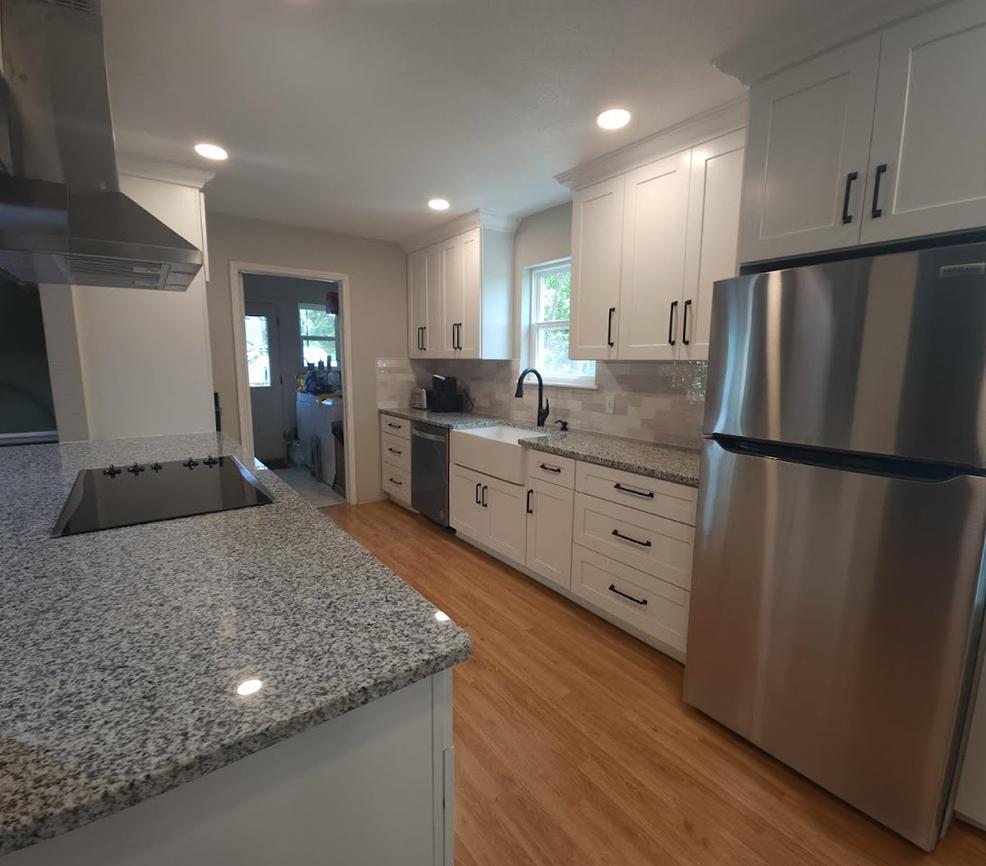
Kitchens are one of the strongest value drivers in any home. A full luxury remodel may not always deliver the highest ROI, but a smart, mid-range kitchen update often does. Improvements such as updated cabinets, durable countertops, modern lighting, and efficient layouts tend to attract buyers and improve appraised value.
Even minor kitchen upgrades can make a difference. Refacing cabinets, replacing hardware, upgrading appliances, and improving lighting can refresh the space without the cost of a full renovation.
Bathroom Renovations
Bathrooms are another high-impact area. Updated bathrooms signal cleanliness, comfort, and care. Walk-in showers, modern vanities, improved ventilation, and water-efficient fixtures all contribute to perceived value.
Like kitchens, bathrooms benefit from thoughtful updates rather than excessive luxury. Clean design, good lighting, and practical layouts often outperform expensive finishes that may not appeal to everyone.
Flooring Upgrades
Replacing worn or outdated flooring delivers strong visual impact. Consistent flooring throughout main living areas can make a home feel larger and more cohesive. Durable, easy-to-maintain materials are especially attractive to buyers and long-term owners alike.
Energy Efficiency Improvements
Energy efficiency upgrades are increasingly valuable. Improved insulation, updated windows, efficient HVAC systems, and smart thermostats reduce operating costs and improve comfort. These upgrades may not always be visually obvious, but they influence buyer decisions and long-term value.
Exterior and Curb Appeal Improvements
First impressions matter. Exterior updates such as fresh paint, updated siding, improved landscaping, and repaired walkways can significantly increase perceived value. Homes that look well maintained from the outside often command more interest and higher offers.
Layout and Function Improvements
Opening up cramped layouts, improving storage, or creating flexible spaces can increase both livability and value. Changes that improve flow and functionality tend to have lasting appeal across different buyer preferences.
How Often Should You Renovate Your Home?
There is no fixed schedule for renovation, but certain updates naturally occur on different timelines based on wear, usage, and evolving needs.
Short-Term Updates Every 5 to 10 Years
Cosmetic updates such as paint, flooring refreshes, lighting upgrades, and minor fixture replacements often fall into this range. These updates keep the home feeling current and prevent gradual deterioration.
Mid-Term Renovations Every 10 to 20 Years
Kitchens, bathrooms, and major mechanical systems often need attention in this window. Appliances, plumbing fixtures, and finishes show wear over time. Addressing them before they become problematic helps maintain value and comfort.
Long-Term Structural and System Updates
Roofing, electrical systems, plumbing infrastructure, and foundation-related work follow longer cycles. While these upgrades are less visible, they are essential to protecting the home’s value and safety.
Beyond timelines, renovation frequency should also reflect lifestyle changes. Growing families, remote work needs, aging in place considerations, or changes in mobility can all prompt renovations that go beyond standard schedules.
How to Plan a Future-Ready Home Renovation
A future-ready renovation is one that continues to serve its purpose years after completion. Planning with flexibility and longevity in mind helps protect both enjoyment and investment.
Focus on Timeless Design
Trends come and go, but classic design principles endure. Neutral color palettes, clean lines, and simple finishes tend to age better than bold or highly specific styles. Timeless design allows future owners to personalize the space without major rework.
Prioritize Function Over Trend
A renovation should support how the space is actually used. Storage, workflow, lighting, and durability often matter more than visual trends. A beautiful space that does not function well quickly becomes frustrating.
Plan for Changing Needs
Future-ready planning considers how life may change. Flexible rooms, wider pathways, step-free entries, and adaptable layouts allow the home to evolve with its occupants. These considerations increase both usability and long-term value.
Invest in Quality Where It Matters
Not every element needs to be premium, but critical components should be built to last. Structural changes, cabinetry, plumbing, and electrical work are difficult and costly to redo. Investing in quality in these areas prevents future headaches.
Think Beyond Immediate ROI
Some upgrades may not show immediate financial return but deliver long-term value through comfort, efficiency, and reduced maintenance. A renovation that improves daily life often pays off in satisfaction as well as resale potential.
Balancing Personal Enjoyment and Resale Value
One of the biggest renovation challenges is balancing personal taste with resale considerations. The most successful renovations strike a middle ground.
Personal enjoyment matters. Homeowners live with their renovation choices every day, sometimes for many years. A renovation that improves quality of life has real value, even if the financial return is not immediate.
At the same time, overly personalized choices can limit appeal later. Highly specific layouts, extreme colors, or niche features may reduce the pool of interested buyers. A good strategy is to personalize through elements that are easy to change, such as paint, decor, and furnishings, while keeping major structural and finish choices broadly appealing.
Common Mistakes That Reduce Renovation ROI
Understanding what not to do is just as important as knowing what works.
-
Over-improving beyond neighborhood standards
-
Skipping proper planning and budgeting
-
Choosing trends over long-term usability
-
Cutting corners on workmanship
-
Ignoring permits or code requirements
-
Underestimating hidden costs and disruptions
Avoiding these mistakes helps protect both financial return and peace of mind.
Final Thoughts
Home renovation can increase property value, improve daily comfort, and support long-term living goals when approached thoughtfully. The best returns come from renovations that enhance function, maintain quality, and align with realistic market expectations.
Knowing which projects offer strong ROI, understanding when renovations are needed, and planning with the future in mind allows homeowners to make confident decisions. A well-planned renovation is not just about improving a home today. It is about creating a space that continues to deliver value, comfort, and flexibility for years to come.
When renovation decisions are guided by clarity, balance, and long-term thinking, the result is a home that feels better to live in and stronger as an investment.

 English
 Arabic
 French
 Spanish
 Deutsch
 Turkish
 Dutch
Dutch
 Italiano
 Russian
 Romaian
 Portuguese (Brazil)
 Greek
Greek