


How Should You Prepare for Breast Reduction Treatment?
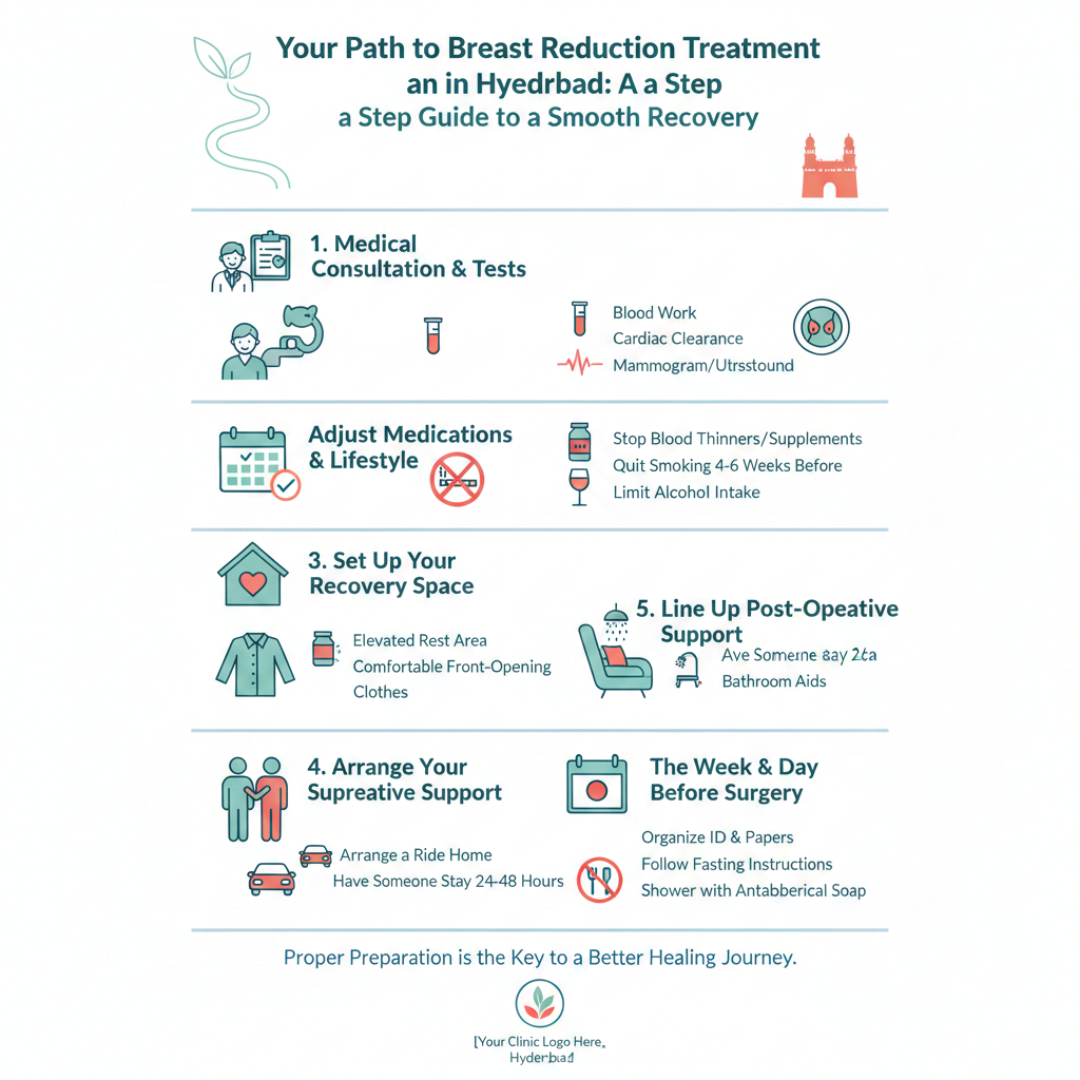
Preparing for breast reduction treatment involves medical evaluations, lifestyle adjustments, and practical arrangements at home. You will need to complete blood tests, stop certain medications, quit smoking at least 4 to 6 weeks before surgery, arrange post operative care, and prepare your recovery space. Proper preparation reduces complications and supports faster healing.
Medical Consultation and Evaluation
Your preparation begins weeks before the actual surgery date. The initial consultation sets the foundation for everything that follows.
During this visit, your surgeon will review your complete medical history, conduct a physical examination, discuss your expectations, explain the suitable surgical technique, and take baseline photographs for medical records.
Be completely honest about your health conditions, previous surgeries, allergies, and current medications. This information directly affects your safety during and after the procedure.
Required Medical Tests
Before scheduling your surgery, you will undergo several tests to confirm you are fit for the procedure.
Blood Work
Standard blood tests check your hemoglobin levels, blood clotting ability, and overall health markers. These results help identify any underlying conditions that could complicate surgery or recovery.
Mammogram or Ultrasound
Women above 40 or those with a family history of breast conditions typically require imaging tests. These scans establish a baseline and rule out any abnormalities before surgery.
Cardiac Clearance
If you have heart conditions or are above a certain age, your surgeon may request cardiac evaluation. This confirms your heart can handle anesthesia and surgical stress.
Medication Adjustments
Certain medications and supplements increase bleeding risk during surgery. Your surgeon will provide specific instructions, but general guidelines include:
Stop blood thinners: Aspirin, ibuprofen, and similar medications should be stopped 2 weeks before surgery. Always confirm with your doctor before discontinuing any prescribed medication.
Avoid herbal supplements: Vitamin E, fish oil, ginseng, and garlic supplements can affect blood clotting. Stop these at least 2 weeks prior.
Discuss current prescriptions: Some medications need to continue while others require temporary alternatives. Never make changes without medical guidance.
Lifestyle Changes Before Surgery
Quit Smoking
This is non-negotiable. Smoking restricts blood flow and significantly increases the risk of poor wound healing, infection, and scarring. Most surgeons require patients to quit at least 4 to 6 weeks before and after surgery.
Nicotine patches and vaping products also affect healing. Discuss cessation strategies with your doctor if you need support.
Limit Alcohol and Maintain Stable Weight
Reduce alcohol intake in the weeks leading up to surgery and stop completely at least 48 hours before your procedure. Alcohol can interfere with anesthesia and increase bleeding.
Significant weight fluctuations before surgery can affect your results. Try to maintain a stable weight for at least 3 months prior. A balanced diet with adequate protein, vitamins, and hydration supports healing.
Preparing Your Home for Recovery
Recovery planning is just as important as medical preparation. You will have limited mobility for the first few days, so arrange your space accordingly.
Set up a recovery area: Choose a comfortable spot where you can rest with your upper body slightly elevated. A recliner or bed with extra pillows works well.
Stock up on essentials: Prepare easy to eat meals, snacks, medications, and entertainment options.
Arrange comfortable clothing: Button down shirts or loose tops that open in the front are easiest to wear. Avoid anything that goes over your head.
Install bathroom aids: A shower stool and handheld showerhead can make bathing easier during early recovery.
Arrange Post Operative Support
You cannot drive yourself home after surgery. Arrange for a responsible adult to accompany you on the day of the procedure.
Having someone stay with you for the first 24 to 48 hours is strongly recommended. They can help with meals, medications, and basic movement. If you have children or dependents, arrange alternative care for at least the first week.
When searching for breast reduction treatment in Hyderabad, choose a facility that provides clear post operative instructions and accessible support. Good clinics offer emergency contact numbers and schedule follow up appointments in advance.
The Week Before Surgery
Most surgeons schedule a pre operative appointment about a week before surgery. Use this time to clarify any remaining doubts and confirm your surgery time, location, and what to bring.
Keep your ID, insurance papers, test reports, and consent forms organized. Get your post operative medications filled in advance, including pain relievers and antibiotics.
The Night Before and Day of Surgery
Follow fasting instructions carefully. Most procedures require no food or water after midnight. Shower with antibacterial soap as directed. Remove all jewelry, nail polish, and makeup.
Wear loose, comfortable clothing to the facility. Leave valuables at home. Arrive at the scheduled time with your support person.
If you have chosen a reputable breast reduction treatment in Hyderabad, the staff will guide you through final preparations and answer last minute questions.
Conclusion
Successful breast reduction preparation combines medical readiness with practical home arrangements. Complete all required tests, adjust medications as instructed, quit smoking well in advance, and set up a comfortable recovery space. Having support during the first few days makes a significant difference in your experience. Following preparation guidelines carefully leads to smoother surgery and better healing outcomes.
Frequently Asked Questions
Q.1 How long before surgery should I stop smoking?
Ans: Stop smoking at least 4 to 6 weeks before surgery. Nicotine affects blood flow and healing. Most surgeons will postpone surgery if nicotine is detected in your system.
Q.2 Can I take my regular medications before breast reduction?
Ans: Some medications continue while others must stop. Blood thinners and certain supplements need to be paused. Always follow your surgeon's specific instructions for each medication.
Q.3 What should I wear on the day of surgery?
Ans: Wear loose, comfortable clothing that opens in the front. Button down shirts are ideal. Avoid tight tops or anything that needs to be pulled over your head.
Q.4 How much time off work will I need?
Ans: Most patients need 1 to 2 weeks off from desk jobs. Physical or strenuous work may require 4 to 6 weeks. Your surgeon will provide personalized guidance based on your job requirements.
Q.5 Will I need someone to stay with me after surgery?
Ans: Yes, arrange for someone to stay with you for at least the first 24 to 48 hours. You will need help with basic tasks, medications, and monitoring during initial recovery.

 English
 Arabic
 French
 Spanish
 Deutsch
 Turkish
 Dutch
Dutch
 Italiano
 Russian
 Romaian
 Portuguese (Brazil)
 Greek
Greek