


Common Termite Treatment Mistakes to Avoid
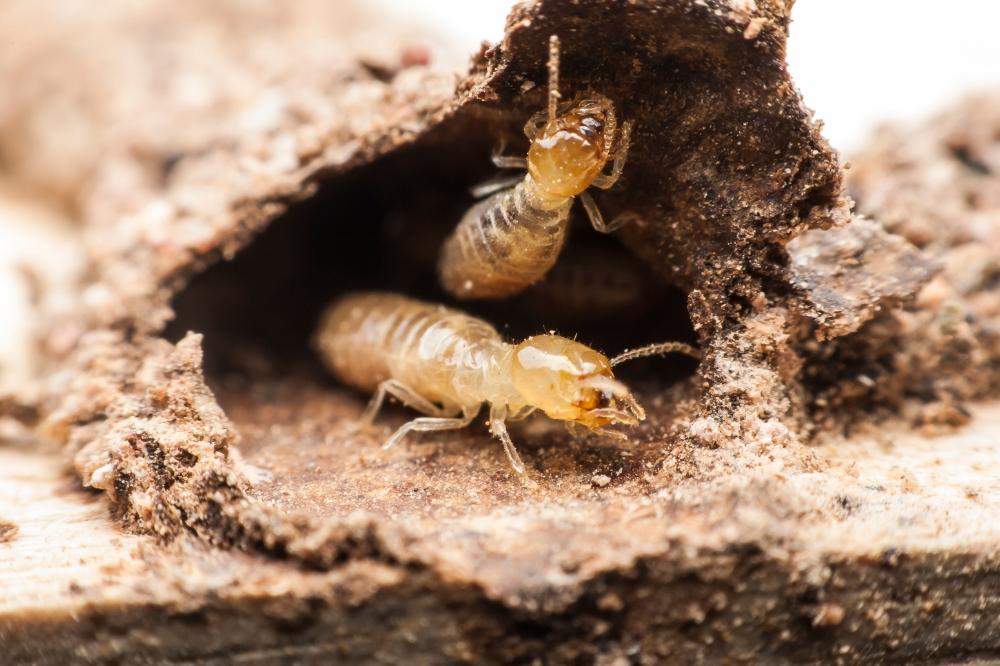
Termites cause billions of dollars in structural damage each year, quietly eating away at the wooden framework of homes and commercial buildings. Because infestations often remain hidden until significant damage has occurred, treatment must be precise, thorough, and strategic. Unfortunately, many property owners and even some inexperienced contractors make critical mistakes during the termite control process. These errors can lead to recurring infestations, wasted money, and ongoing structural deterioration.
Below are the most common termite treatment mistakes to avoid—and what to do instead.
1. Misidentifying the Termite Species
One of the most significant mistakes is failing to correctly identify the termite species involved. The two most common structural pests are subterranean termites and drywood termites, and they require different treatment approaches.
Subterranean termites live in soil and build mud tubes to access wood above ground. They typically require soil-applied termiticides or baiting systems. Drywood termites, on the other hand, infest dry wood directly and often require localized wood treatments or structural fumigation.
Treating a drywood termite infestation with a soil barrier will not eliminate the problem. Likewise, spot-treating wood when subterranean termites are entering through the soil will fail to address the source. Proper inspection and identification—ideally by a licensed professional—are critical before beginning any treatment.
2. Ignoring the Source of Moisture
Termites thrive in moist environments. A common mistake is focusing solely on killing the termites without correcting moisture problems that attracted them in the first place.
Leaky pipes, clogged gutters, poor drainage, improper grading, and wood-to-soil contact create ideal conditions for termite colonies. Even if treatment temporarily eliminates a colony, continued moisture issues increase the likelihood of reinfestation.
Effective termite control should include:
-
Repairing plumbing leaks
-
Improving ventilation in crawl spaces
-
Redirecting water away from the foundation
-
Reducing wood-to-soil contact
Without addressing moisture, treatment becomes a short-term solution rather than a permanent fix.
3. Relying Solely on DIY Treatments
Over-the-counter sprays and foams may kill visible termites, but they rarely eliminate the colony. Many DIY treatments only address surface-level activity and fail to penetrate deep enough into wood or soil.
Termite colonies can contain hundreds of thousands—or even millions—of individuals. Killing a small visible portion does not solve the larger problem. In fact, improper use of repellant chemicals can cause colonies to split and spread, making the infestation worse.
While minor preventative measures may be suitable for homeowners, active infestations usually require professional-grade products and application methods.
4. Spot Treating Without Full Inspection
It’s tempting to treat only the area where termite damage is visible. However, termites rarely confine themselves to one small section of a structure.
Spot treatment without a comprehensive inspection may leave satellite colonies untouched. Subterranean termites, especially, can enter from multiple locations along a foundation.
A full-structure inspection should include:
-
Crawl spaces
-
Attics
-
Interior walls
-
Exterior foundations
-
Wooden decks and porches
Skipping a thorough assessment increases the likelihood of recurring damage.
5. Using the Wrong Type of Termiticide
There are two primary categories of soil termiticides: repellents and non-repellents.
Repellent termiticides create a barrier that termites avoid. However, if the barrier is incomplete, termites can find gaps and continue entering the structure. Non-repellent termiticides, by contrast, are undetectable to termites. As termites pass through treated soil, they transfer the product to other colony members, eventually eliminating the colony.
Choosing the wrong product—or applying it improperly—can significantly reduce effectiveness. Professional pest control companies typically use non-repellent solutions because of their colony-eliminating potential.
6. Failing to Create a Continuous Treatment Barrier
For subterranean termite control, the effectiveness of a soil treatment depends on creating a continuous barrier around the structure. Even small untreated gaps can allow termites to enter.
Common errors include:
-
Failing to trench along the entire foundation
-
Not drilling through concrete slabs or expansion joints
-
Inadequate depth of application
-
Missing areas near plumbing penetrations
A broken barrier essentially gives termites an open doorway. Precision and completeness are essential.
7. Not Monitoring Bait Stations Properly
Termite baiting systems can be highly effective when installed and maintained correctly. However, they require consistent monitoring.
Some common mistakes include:
-
Installing too few bait stations
-
Placing them too far apart
-
Failing to inspect them regularly
-
Not replenishing bait when consumed
Baiting systems work by allowing termites to carry growth inhibitors back to the colony. Without ongoing monitoring, stations may become inactive or ineffective.
A long-term maintenance plan is critical for bait-based control programs.
8. Delaying Treatment
Another costly mistake is waiting too long to act. Because termites work slowly and out of sight, homeowners sometimes postpone treatment when early signs appear.
Common warning signs include:
-
Mud tubes along foundations
-
Hollow-sounding wood
-
Discarded wings near windows
-
Bubbling paint or warped surfaces
Delaying treatment allows the colony to grow and increases repair costs. The longer termites remain active, the more structural damage they can cause.
9. Skipping Post-Treatment Inspections
Even after treatment, monitoring is essential. Some property owners assume that once chemicals are applied or bait stations are installed, the problem is permanently solved.
Annual inspections help ensure:
-
The colony has been eliminated
-
No new colonies have established
-
Treatment barriers remain intact
-
Moisture issues remain under control
Skipping follow-up inspections can allow reinfestations to go unnoticed until significant damage occurs again.
10. Overlooking Preventative Measures
Treatment alone is not enough; prevention plays a major role in long-term termite control.
Preventative steps include:
-
Storing firewood away from the home
-
Sealing cracks in foundations
-
Using termite-resistant materials when building or renovating
-
Installing vapor barriers in crawl spaces
-
Scheduling routine professional inspections
Many infestations occur not because treatment failed, but because preventative practices were ignored.
11. Hiring Unqualified Contractors
Not all pest control providers are equally experienced with termite treatment. Choosing an unlicensed or underqualified contractor can result in improper application, insufficient chemical concentration, or incomplete coverage.
When selecting a termite control provider, look for:
-
Proper licensing and certification
-
Experience with your specific termite species
-
Clear treatment plans
-
Written warranties or guarantees
-
Positive reviews and references
Investing in qualified expertise often saves money in the long run.
12. Underestimating Structural Repairs
Eliminating termites is only part of the solution. Damaged wood must be evaluated for structural integrity.
Some property owners assume that once termites are gone, the structure is safe. However, compromised beams, joists, and studs may require reinforcement or replacement.
A professional contractor should assess whether repairs are cosmetic or structural. Ignoring damage can pose safety risks and reduce property value.
Final Thoughts
Termite treatment is not a one-size-fits-all process. It requires accurate identification, proper product selection, precise application, and ongoing monitoring. The most common mistakes—misidentifying species, relying solely on DIY methods, skipping inspections, and ignoring moisture issues—often lead to reinfestation and costly repairs.
Successful termite control combines professional expertise, preventative maintenance, and long-term vigilance. By understanding and avoiding these common treatment mistakes, homeowners can protect their investment and maintain the structural integrity of their property for years to come.

 English
 Arabic
 Spanish
 Portuguese
 Deutsch
 Turkish
 Dutch
Dutch
 Italiano
 Russian
 Romaian
 Portuguese (Brazil)
 Greek
Greek