


What Is Abhyanga? A Complete Guide to the Ancient Ayurvedic Oil Massage Ritual
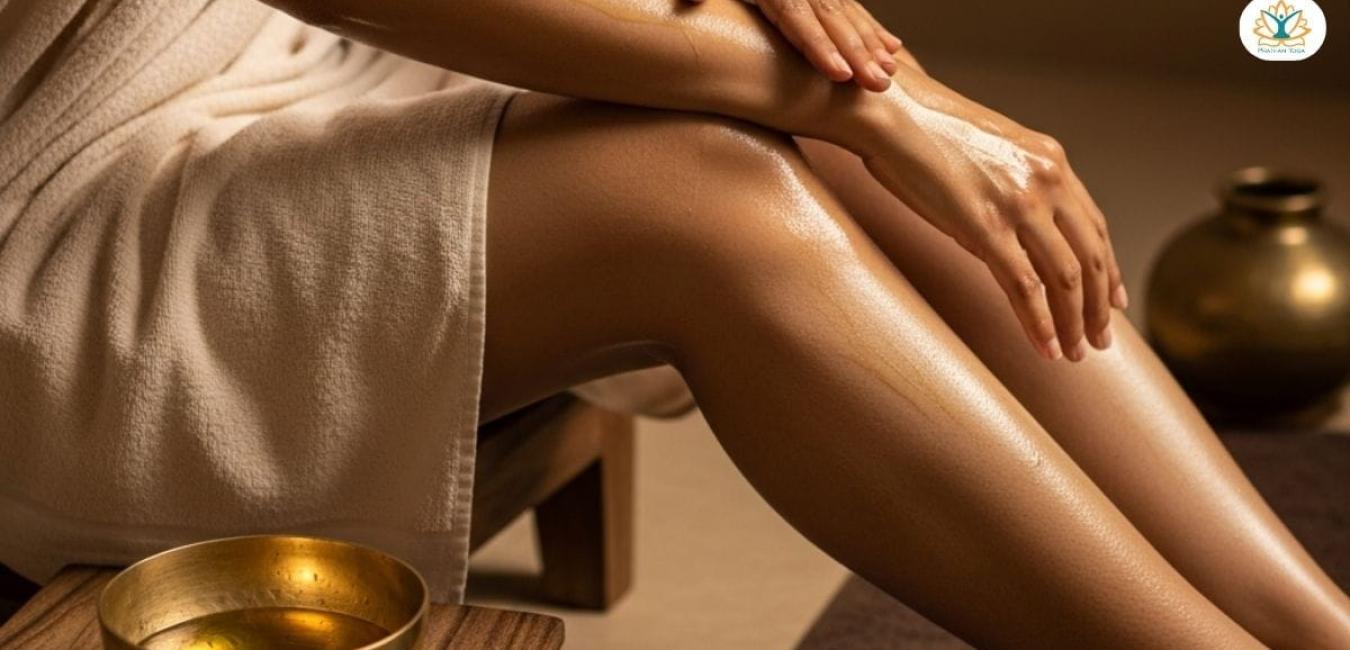
In today’s fast-paced world, many people are searching for simple yet powerful wellness practices that promote balance, relaxation, and long-term health. One such practice that has gained growing attention is abhyanga. But truly understanding what is abhyanga requires looking beyond the surface of a simple oil massage. Rooted in the timeless wisdom of Ayurveda, abhyanga is a holistic self-care ritual designed to nourish the body, calm the mind, and restore energetic balance.
This comprehensive guide explores what is abhyanga, its origins, benefits, techniques, oils used, and how you can incorporate it into your daily routine for optimal well-being.
What Is Abhyanga?
To answer the question, what is abhyanga, we must first understand its meaning and background. The word “abhyanga” comes from Sanskrit, where “abhi” means “toward” and “anga” means “limb” or “body.” Together, the term refers to the practice of massaging the body with warm oil, typically performed daily as part of an Ayurvedic lifestyle.
Abhyanga is not simply about applying oil to the skin. It is a mindful, intentional ritual that supports physical, emotional, and energetic health. Traditionally performed in the morning before bathing, this self-massage practice stimulates circulation, lubricates joints, improves skin texture, and helps remove toxins from the body.
Within Ayurveda, abhyanga is considered a vital component of dinacharya, or daily routine. It is believed that by regularly performing abhyanga, one can maintain balance among the three doshas: Vata, Pitta, and Kapha.
The Ayurvedic Foundation Behind Abhyanga
Understanding what is abhyanga also requires a brief look at Ayurvedic philosophy. Ayurveda teaches that health depends on maintaining harmony between the body, mind, and spirit. The three doshas—Vata (air and space), Pitta (fire and water), and Kapha (earth and water)—govern physiological and psychological functions.
Abhyanga is especially beneficial for balancing Vata dosha, which is associated with dryness, coldness, restlessness, and anxiety. Since Vata qualities are dry and light, the application of warm, nourishing oil counteracts these tendencies.
However, abhyanga can benefit all dosha types when the appropriate oil is chosen:
-
Vata types benefit from warming oils like sesame.
-
Pitta types may prefer cooling oils like coconut.
-
Kapha types often benefit from lighter oils like sunflower or mustard.
The beauty of abhyanga lies in its adaptability—it can be personalized to suit individual needs and seasons.
The Physical Benefits of Abhyanga
When exploring what is abhyanga, many people are drawn to its physical benefits. This ancient massage technique offers a wide range of advantages:
1. Improves Circulation
The rhythmic strokes used during abhyanga stimulate blood flow and support lymphatic drainage. Improved circulation enhances oxygen and nutrient delivery to tissues while aiding detoxification.
2. Nourishes and Hydrates the Skin
Warm oil deeply penetrates the skin, keeping it soft, supple, and well-moisturized. Unlike synthetic lotions, natural oils provide long-lasting nourishment without harsh chemicals.
3. Supports Joint Health
Regular oil massage lubricates joints and may reduce stiffness, especially beneficial for those experiencing dryness or age-related discomfort.
4. Enhances Muscle Tone
Abhyanga can improve muscle tone and flexibility by relaxing tension and promoting recovery after physical exertion.
5. Promotes Better Sleep
Because abhyanga calms the nervous system, it can improve sleep quality. Many people report deeper, more restorative rest after incorporating this ritual into their routine.
The Mental and Emotional Benefits
Understanding what is abhyanga also means recognizing its impact beyond the physical body.
Reduces Stress and Anxiety
The slow, mindful application of warm oil has a grounding effect. It signals safety and comfort to the nervous system, helping reduce stress hormones and promote relaxation.
Encourages Mind-Body Awareness
Abhyanga is a self-care ritual that encourages presence. Taking time to care for your body fosters self-compassion and strengthens the connection between mind and body.
Supports Emotional Stability
In Ayurvedic tradition, oil is believed to strengthen the aura and stabilize emotions. Regular practice may help individuals feel more centered and resilient.
How to Practice Abhyanga at Home
If you’re wondering what is abhyanga in practical terms, here’s a simple step-by-step guide to performing it yourself:
Step 1: Choose Your Oil
Select an oil suitable for your dosha or season. Warm the oil slightly by placing the container in hot water for a few minutes. The oil should be comfortably warm, not hot.
Step 2: Create a Calm Environment
Find a warm, quiet space. You may wish to lay down a towel to protect surfaces.
Step 3: Start at the Head
Begin by massaging oil into your scalp using circular motions. Apply oil to your ears and neck as well.
Step 4: Massage the Body
Use long strokes on long bones (arms and legs) and circular motions on joints (shoulders, elbows, knees). Massage the abdomen in clockwise circles to support digestion.
Step 5: Allow the Oil to Absorb
Let the oil sit for 10–20 minutes. This allows deeper penetration and therapeutic benefit.
Step 6: Take a Warm Shower
Rinse off gently using warm water. Avoid harsh soaps that strip the oil completely; a mild cleanser is sufficient.
Practicing abhyanga 3–7 times per week can yield noticeable benefits.
Seasonal Considerations for Abhyanga
In Ayurveda, seasonal changes influence dosha balance. Therefore, understanding what is abhyanga also includes adapting it throughout the year.
-
Autumn and Winter: These seasons increase Vata qualities (cold, dry). Abhyanga with sesame oil is especially beneficial.
-
Summer: Pitta qualities (heat) rise. Cooling oils like coconut are recommended.
-
Spring: Kapha accumulation may occur. Lighter oils and more vigorous strokes can be helpful.
By adjusting oils and techniques seasonally, you align your body with nature’s rhythms.
Abhyanga vs. Professional Ayurvedic Massage
Some people confuse self-abhyanga with professional Ayurvedic treatments. While both involve oil massage, they differ in purpose and execution.
Self-abhyanga is a daily self-care ritual focused on prevention and balance. Professional Ayurvedic massage, often called Abhyangam, may involve two therapists, synchronized movements, and specialized herbal oils for therapeutic purposes.
Both approaches stem from the same tradition but serve different roles in holistic health.
Who Should Avoid Abhyanga?
Although abhyanga is generally safe, it may not be suitable in certain conditions:
-
During acute illness or fever
-
If experiencing severe indigestion
-
Immediately after heavy meals
-
In cases of specific skin infections
If you have chronic health conditions, it is wise to consult a qualified Ayurvedic practitioner before starting a new routine.
Modern Relevance of Abhyanga
As wellness trends continue to evolve, ancient practices are finding new relevance. When people ask, what is abhyanga, they are often seeking natural solutions for stress, burnout, and skin health.
Unlike quick-fix beauty treatments, abhyanga emphasizes consistency and mindfulness. It encourages slowing down in a world that constantly pushes speed and productivity. In that sense, abhyanga is not just a massage—it is a philosophy of self-nurturing.
Modern research increasingly supports the benefits of massage therapy for stress reduction, circulation improvement, and sleep enhancement. While abhyanga originates in traditional Ayurvedic texts, its principles align well with contemporary wellness science.
Final Thoughts: Embracing the Practice
So, what is abhyanga? It is a daily act of self-love rooted in the ancient science of Ayurveda. It is warm oil gliding across the skin, calming the nerves, nourishing tissues, and grounding the mind. It is both simple and profound.
Incorporating abhyanga into your routine does not require expensive tools or complicated techniques. All you need is quality oil, a little time, and the intention to care for yourself.
By practicing abhyanga regularly, you may discover improved skin health, better sleep, enhanced circulation, and greater emotional balance. More importantly, you cultivate a ritual that reconnects you with your body and restores harmony from the inside out.
Understanding what is abhyanga opens the door to a timeless tradition—one that continues to offer healing and balance in our modern world.

 English
 Arabic
 French
 Spanish
 Portuguese
 Deutsch
 Turkish
 Dutch
Dutch
 Russian
 Romaian
 Portuguese (Brazil)
 Greek
Greek