The R501 reference electrode is an essential component in electrochemical systems, widely used for precise and stable measurement of electrical potentials. It plays a critical role in ensuring accuracy in various scientific and industrial applications. In electrochemistry, measurements are only meaningful when compared to a stable reference point, and this is where the R501 reference electrode becomes highly valuable. Its design and performance make it a preferred choice for laboratories and industries that require consistent and reproducible results.
What is a Reference Electrode
A reference electrode is a type of electrode that has a stable and well-known electrode potential. It is used as a comparison point for measuring the potential of other electrodes in an electrochemical cell. Unlike working electrodes, reference electrodes do not pass current during measurement, which helps maintain their stability. The R501 reference electrode is specifically designed to offer long-term reliability and minimal drift, making it ideal for sensitive measurements.
Design and Structure of R501 Reference Electrode
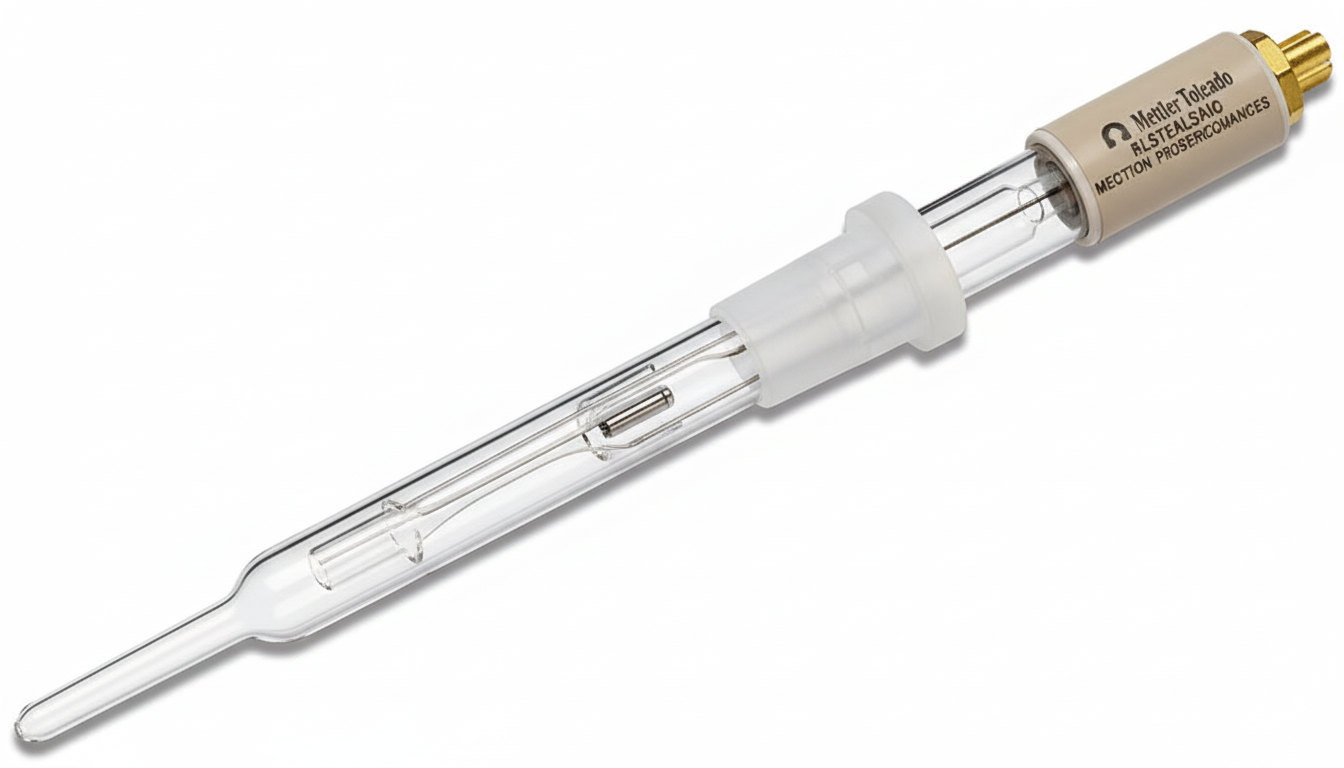
The R501 reference electrode is carefully constructed using high-quality materials to ensure durability and accuracy. It typically consists of an internal reference element, an electrolyte solution, and a junction that connects it to the sample environment. The housing is often made of chemically resistant materials to withstand harsh conditions. The design minimizes contamination and ensures a stable electrical connection, which is crucial for obtaining precise measurements in different environments.
Working Principle of R501 Reference Electrode
The working principle of the R501 reference electrode is based on maintaining a constant electrochemical potential. This is achieved through a stable internal chemical system that does not change significantly over time. When connected to an electrochemical cell, the electrode provides a fixed reference potential against which the working electrode’s potential is measured. This allows researchers and technicians to analyze chemical reactions, corrosion rates, and other electrochemical processes accurately.
Applications of R501 Reference Electrode
The R501 reference electrode is widely used in various fields due to its reliability and precision. In laboratories, it is commonly used for pH measurements, titrations, and electrochemical analysis. In industrial settings, it plays a key role in corrosion monitoring, water treatment systems, and battery testing. It is also used in environmental monitoring to measure pollutants and chemical properties in water and soil samples. Its versatility makes it an indispensable tool in both research and industry.
Importance in Electrochemical Measurements
Accurate electrochemical measurements depend heavily on the stability of the reference electrode. The R501 reference electrode ensures that the potential remains constant, which is critical for obtaining reliable data. Any variation in the reference potential can lead to errors in measurement, affecting the overall analysis. Therefore, using a high-quality reference electrode like R501 is essential for maintaining the integrity of experimental results.
Advantages of Using R501 Reference Electrode
The R501 reference electrode offers several advantages that make it a preferred choice for many applications. It provides excellent stability over long periods, reducing the need for frequent calibration. Its robust construction ensures durability even in challenging environments. The electrode also offers low maintenance requirements, making it cost-effective for long-term use. Additionally, its compatibility with various electrochemical systems enhances its usability across different fields.
Maintenance and Care
Proper maintenance of the R501 reference electrode is crucial to ensure its longevity and performance. It should be stored in appropriate conditions, usually in a suitable electrolyte solution, to prevent drying out. Regular cleaning is necessary to remove any contaminants that may affect its performance. Users should also check for any signs of damage or leakage and replace the electrode if necessary. Following manufacturer guidelines can help maintain its accuracy and extend its lifespan.
Common Issues and Troubleshooting
Like any scientific instrument, the R501 reference electrode may encounter certain issues over time. One common problem is potential drift, which can occur due to contamination or depletion of the internal electrolyte. Another issue is clogging of the junction, which can affect the electrical connection. Regular maintenance and proper handling can prevent these problems. If issues persist, recalibration or replacement may be required to ensure accurate measurements.
Comparison with Other Reference Electrodes
The R501 reference electrode is often compared with other types of reference electrodes such as silver/silver chloride or calomel electrodes. While each type has its own advantages, the R501 stands out for its stability and durability. It is designed to perform well in a wide range of conditions, making it more versatile than some traditional options. This makes it a suitable choice for both routine and advanced applications.
Future Trends and Developments
With advancements in technology, reference electrodes like the R501 are continuously being improved to enhance their performance and reliability. Researchers are focusing on developing electrodes with longer lifespans, reduced maintenance requirements, and better resistance to contamination. These improvements will further expand the applications of reference electrodes in emerging fields such as renewable energy, biotechnology, and environmental science.
Conclusion
The R501 reference electrode is a vital tool in the field of electrochemistry, providing a stable and reliable reference point for accurate measurements. Its robust design, wide range of applications, and ease of use make it an essential component in both laboratory and industrial settings. By understanding its function, maintenance, and advantages, users can ensure optimal performance and achieve precise results in their electrochemical analyses.




 English
 Arabic
 Spanish
 Portuguese
 Deutsch
 Turkish
 Dutch
 Italiano
 Russian
 Romaian
 Portuguese (Brazil)
 Greek