


Rick Owens Boots Marketplace Fees Buyers Should Watch
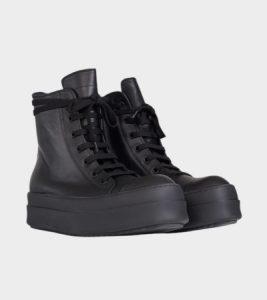
By the time you reach checkout, buyer protection, authentication, shipping, tax and import duty can all show up. Some marketplaces add almost nothing. Others add a noticeable slice. The smart move is to compare the total landed cost, not the tile price. Here’s which fees to watch, how the main platforms differ, and how to avoid paying more than a new pair at a sale.
Fees come in more than one flavor
Most buyers think of “the fee” as one number. It’s several.There’s the buyer fee charged by the platform, usually for https://rickowen.us/ or authentication. There’s shipping. There’s sales tax. For cross-border orders, there’s import duty and sometimes customs handling. And if you pay in another currency, your card may add a conversion charge.Each can be small. Together they decide whether a bargain is a bargain.
Vestiaire Collective the fee you can’t see on the tile
This is the one that surprises people.A guide to the platform says a buyer protection charge and, where applicable, an authentication fee are added on top of the item price. Its worked example has a listing of $600 climbing to roughly $680 at checkout. That’s an illustration from a third-party blog, so treat the exact figures as a rough guide. Estimates of the percentage disagree. One comparison puts the buyer protection fee at roughly 8 to 12 percent of the item price, while a forum member on a luxury handbag board complained about another 5 percent from the buyer on top of what sellers pay. Rates and structures change, so check the actual checkout. .
The RealReal fewer buyer fees, more shipping rules
The RealReal works differently.A three-way comparison says on The RealReal there’s no buyer fee, though sales tax applies, Rick Owen Boots the US over $250, and handling fees on high-value items are itemized. Another comparison agrees, describing no comparable buyer service fee beyond shipping and tax. So the sticker price is closer to the real price. The trade-off is that its prices already reflect its business model, and consignment pricing can be firm. If you’re buying in the US, it’s often simpler than Vestiaire.
What buyer fees are really paying for
Be fair about this. Fees aren’t pure profit.A resale-industry blog explains that Vestiaire’s higher fees fund the authentication and buyer-protection systems that make the platform trustworthy. For a brand that gets faked often, like Rick Owens, that matters. A refund if the pair turns out fake is worth something.There’s also a choice. Vestiaire offers a direct-shipping option that skips authentication, making it faster and cheaper but less verified. I wouldn’t choose that for boots at this price. If you save $25 and get a counterfeit, you’ve lost much more.
Shipping, tax and duty
These are the ones people forget.Shipping from abroad can add real money. An Australian comparison of luxury resale sites lists AUD 50 to 150 for premium express shipping from the US, with import duty and GST on top. That’s one country’s example, but it shows how quickly the total grows. Check whether the seller or platform handles duties. If you pay on delivery, you could face a bill and a delay at customs. And add any card foreign-transaction charge, since it’s easy to miss.
Smaller platforms, smaller fees
Peer marketplaces tend to charge less on the buyer side.A fee comparison says Vinted has no seller fees, and buyers pay a protection fee of about 3.6 percent. Another source puts it in a range of 3 to 8 percent. The numbers differ, so check at checkout. Cheaper fees mean less verification, though. On open peer platforms, you do more of the authenticity checking yourself. Look at stitching, sole details and the seller’s history before you pay.
The comparison that matters
Here’s how I’d decide.Take the tile price. Add the platform fee, shipping, tax and any duty. Then compare that total against the price of a new pair at a retailer, especially during a sale. If a pre-owned pair costs 80 percent of a new one after fees, buy new. You get a warranty-style return policy and no authenticity worry.Pre-owned makes sense when the boot is discontinued, from an older season, or priced well below new. Otherwise fees can erase the saving.
How to avoid fee surprises
Take screenshots of the checkout page before you pay. Don’t rely on the tile price. Check the total in your own currency. Read the return policy, because some fees aren’t refundable. And keep all communication on the platform, since buyer protection usually only applies to deals completed there.Finally, watch for sellers who offer a “cheaper” deal off-platform. That’s a classic way to lose both money and protection.
The short version
Compare totals, not tiles. Pay for authentication on expensive boots, check shipping and duty before you commit, and walk away if the final number is close to the new price. That’s how to handle marketplace fees on Rick Owens boots without paying more than the pair is worth.

 English
 Arabic
 French
 Portuguese
 Deutsch
 Turkish
 Dutch
 Italiano
 Russian
 Romaian
 Portuguese (Brazil)
 Greek