


Is It Safe to Use the Same Water Bottle Every Day?
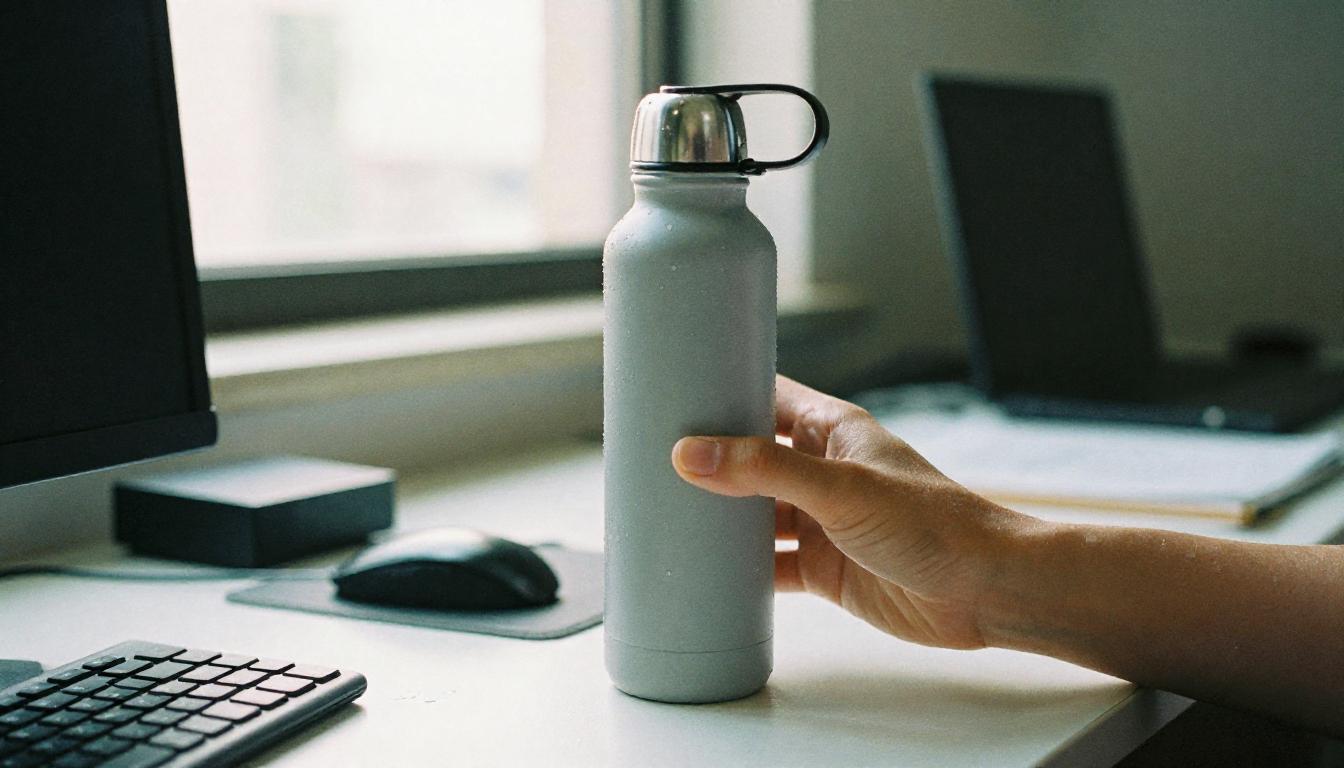
Using the same water bottle every day feels normal for most people. It sits on office desks, travels in backpacks, and goes everywhere from morning commutes to evening walks. For students, School Water Bottles are part of daily life, refilled again and again without much thought. But a common question keeps coming up lately: is it actually safe to use the same water bottle every day?
The answer depends less on the bottle itself and more on how it is used, cleaned, and maintained. A water bottle can be a healthy habit or a hidden hygiene problem. Understanding the difference helps protect health without giving up the convenience of daily hydration.
Why People Use the Same Water Bottle Daily
Using one bottle repeatedly is practical. It reduces waste, saves money, and keeps water accessible throughout the day. Many people prefer a familiar bottle that fits their routine, bag, or workspace.
For children, having a familiar bottle at school encourages regular drinking. School Water Bottles often become part of a child's identity, decorated with stickers or favorite colors, making them more likely to drink water during the day.
The habit itself is not unsafe. The risk comes from neglect.
What Happens Inside a Water Bottle Over Time
Even when you only fill a bottle with clean water, the inside does not stay clean forever. Each sip introduces saliva, and environmental exposure adds bacteria from hands, surfaces, and air.
Moisture Creates the Perfect Environment
A closed bottle with moisture inside becomes a comfortable space for bacteria to multiply. Warm temperatures, such as bottles left in cars or school bags, speed up this process.
This is especially relevant for School Water Bottles, which are often stored in warm backpacks for hours.
Invisible Build Up Is the Real Issue
Many people assume a bottle is safe because it looks clean. In reality, bacteria and residue can grow without visible signs. Odors, slimy textures, or strange tastes usually appear only after bacteria have already multiplied.
Is It Safe to Use the Same Water Bottle Every Day?
Yes, it can be safe if the bottle is cleaned properly and regularly. Daily use alone is not harmful. Poor hygiene is the real problem.
A reusable water bottle is designed for repeated use, but it still requires care. Using the same bottle for weeks without washing is unsafe, even if it only holds water.
Daily Cleaning Makes the Difference
How Often Should a Water Bottle Be Cleaned?
Ideally, a water bottle should be washed every day. At minimum, it should be cleaned after each full day of use.
For children, School Water Bottles should be washed daily because kids touch their bottles frequently and may place bottle mouths on desks or playground surfaces.
Proper Cleaning Method
Cleaning does not need to be complicated. Warm water, mild dish soap, and a bottle brush are enough. The key is reaching all internal surfaces, especially the bottom and around the mouth area.
Lids, caps, and straws should always be cleaned separately. These parts trap moisture and are common places for mold.
Signs Your Water Bottle Is No Longer Safe
Even with cleaning, bottles do not last forever. Knowing when to replace a bottle is just as important as washing it.
Common Warning Signs
-
Persistent odor even after washing
-
Cloudy appearance or residue inside
-
Cracks or deep scratches
-
Mold around the lid or mouthpiece
When these signs appear, replacing the bottle is the safest choice.
Special Considerations for School Water Bottles
Children use their bottles differently than adults. They may drop them, share them, or forget to close lids properly.
Why School Bottles Need Extra Attention
School Water Bottles are exposed to germs from classrooms, playgrounds, and sports activities. Even with clean water, bacteria transfer easily from hands and surfaces.
Parents should inspect school bottles regularly and replace them if wear or damage appears.
Teaching Kids Bottle Hygiene
Teaching children to rinse their bottle after school and place it in the sink builds good habits early. Simple routines reduce health risks and make daily bottle use safer.
Material Matters Less Than Maintenance
People often worry about bottle material, but hygiene plays a larger role in safety.
Plastic Bottles and Daily Use
Plastic bottles are widely used due to their light weight and durability. When cleaned daily and replaced when worn, they are safe for regular hydration.
Avoid using bottles with visible cracks or rough interior surfaces, as these trap bacteria more easily.
One Bottle Versus Multiple Bottles
Using one bottle consistently is fine if it is cleaned properly. Some people prefer rotating bottles so each one has time to dry completely, which can further reduce bacterial growth.
Taste Changes and What They Mean
A strange taste in water often signals bacteria or residue inside the bottle. This does not mean the water itself is unsafe, but it does indicate poor bottle hygiene.
Ignoring taste changes and continuing to use the bottle can increase health risks over time.
Health Risks of Poor Bottle Hygiene
Using a dirty water bottle daily may lead to:
-
Mild stomach discomfort
-
Increased exposure to bacteria
-
Headaches linked to dehydration avoidance due to bad taste
-
Reduced water intake due to odor or unpleasant flavor
These risks are preventable with simple daily care.
Using the Same Water Bottle at Work
Office environments may feel cleaner, but shared surfaces still spread germs. Desk bottles should be cleaned just as frequently as gym or school bottles.
Keeping the bottle open only when drinking and washing hands before use reduces contamination.
Financial and Practical Benefits of Reusing Bottles Safely
Using the same bottle daily saves money and reduces waste. Many families compare options by checking water bottles price in pakistan to choose durable bottles that last longer with proper care.
Replacing bottles only when necessary balances safety and cost without returning to disposable options.
Comparison Table: Daily Bottle Use Safety
| Factor | Cleaned Daily | Rarely Cleaned |
|---|---|---|
| Bacterial Risk | Low | High |
| Water Taste | Fresh | Often unpleasant |
| Odor | None | Common |
| Safe for Children | Yes | No |
| Bottle Lifespan | Longer | Shorter |
This table shows how cleaning habits directly affect safety, regardless of bottle type.
Simple Habits for Safe Everyday Bottle Use
-
Wash bottles daily with warm soapy water
-
Clean lids and straws separately
-
Allow bottles to dry fully before closing
-
Replace bottles with cracks or lingering odors
-
Avoid sharing bottles, especially at school
These habits take only minutes but greatly improve safety.
Conclusion: Using the Same Water Bottle Can Be Safe
Using the same water bottle every day is safe when proper care becomes part of the routine. The real risk is not repetition, but neglect. With daily cleaning, regular inspection, and timely replacement, a water bottle remains a healthy hydration companion.
For children, maintaining School Water Bottles properly protects them from unnecessary exposure to bacteria and supports better hydration habits. A clean bottle encourages more drinking, better focus, and overall well-being.
In the end, safety comes down to awareness. Treat your water bottle like any other daily-use item. Care for it, clean it, and it will safely support your health every day.
Visit for news and updates at griddixcat.com

 English
 Arabic
 French
 Spanish
 Portuguese
 Deutsch
 Turkish
 Dutch
Dutch
 Italiano
 Romaian
 Portuguese (Brazil)
 Greek
Greek